This policy brief presents the research, summarises the most important policy-relevant findings, and the cross-country policy recommendations for integration of migrant children in education, as they follow from the MiCREATE project.


Contributes to the development of society, innovation and knowledge.

Help develop measures to counter violence and discrimination.

Supports adults in enhancing skills to promote their professional growth and participation in social and civic life.

Promotes quality and efficiency in education.

Supports and promotes educational activities, training courses and mobility projects aimed at young people.

CESIE ETS is a European center for studies and initiatives based in Palermo, Sicily.
This policy brief presents the research, summarises the most important policy-relevant findings, and the cross-country policy recommendations for integration of migrant children in education, as they follow from the MiCREATE project.
Methodological and pedagogical study This report presents the results of a qualitative multi-method study conducted among 10–19 year-old children and young adults in schools. The overall objective was to gain comprehensive knowledge about the processes of integration...
This policy brief presents the research, summarises the most important policy-relevant findings, and the cross-country policy recommendations for integration of migrant children in education, as they follow from the MiCREATE project.
The aim of this Handbook is to provide a support and an applicable tool for professionals working with migrants.
The report brings in the comparative perspective of the seven case studies conducted in refugee camps in Greece and Turkey, in asylum homes and reception centres in Slovenia, Austria, Poland and Italy, and in an informal camp in Calais, France.
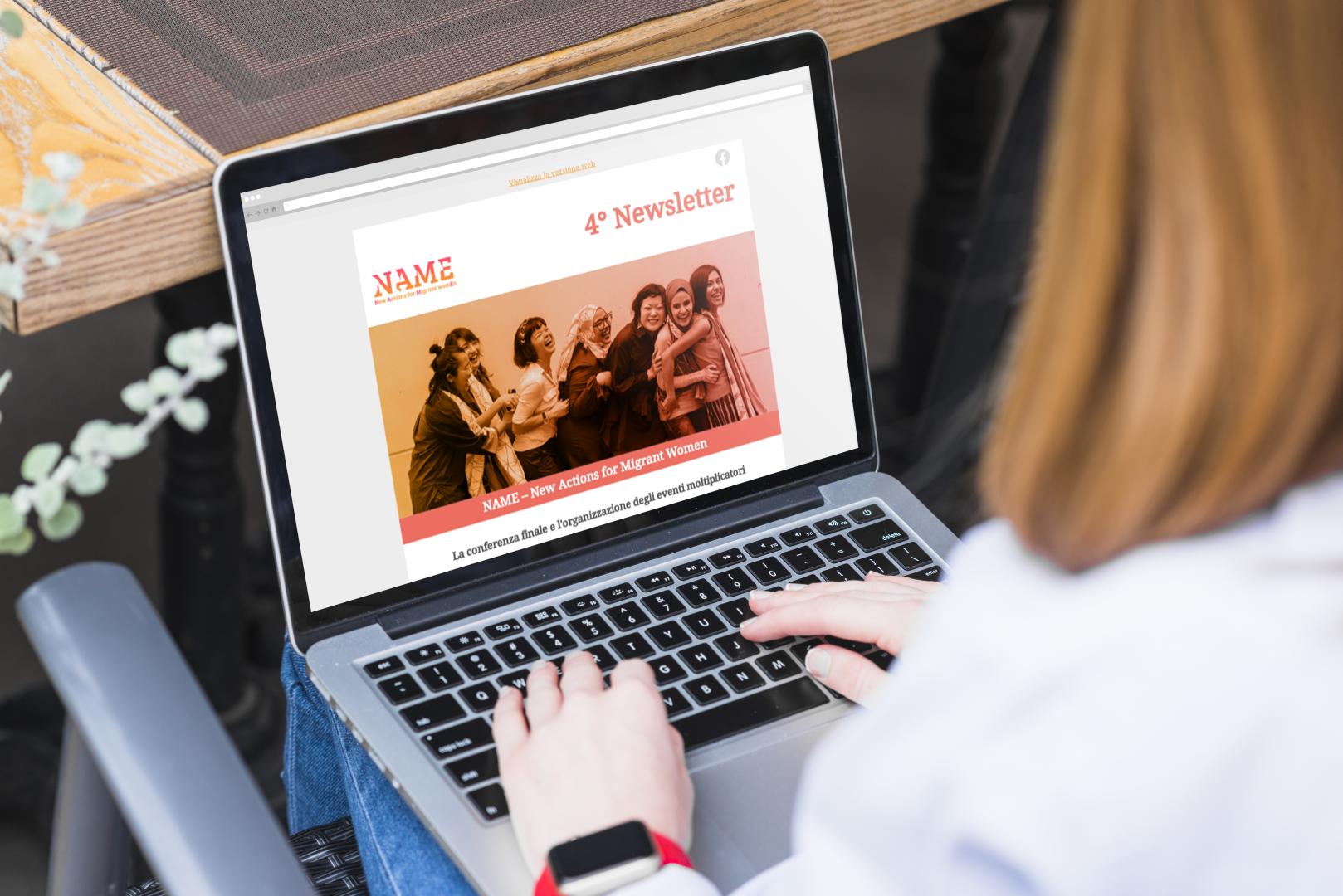
Read the NAME project newsletters.

This Psychosocial Resilience Training Manual comprehensive manual contains reflections and practices that can help anyone engaged in solidarity-based responses to migration.
The report presents the findings from the national researches implemented across 6 countries (Austria, Denmark, Poland, Slovenia, Spain and the UK) that aimed to evaluate migration and integration policy landscape and new trends in this area with a focus on migrant children.
The report presents the findings from qualitative research that was conducted in (informal) camps and asylum homes in Austria, France, Greece, Italy, Poland, Slovenia and Turkey.
The report presents the data on migration and migrant children, gaps in data, comments, analysis and conclusions from 6 countries (Austria, Denmark, Poland, Slovenia, Spain and the UK).
The report produces a sample list from the key 6 study countries (Austria, Denmark, Poland, Slovenia, Spain and the UK), with snapshots of case studies based on best practices and innovative approaches to integration.
The report produces a sample list from the 6 study countries, with snapshots of case studies based on best practices and innovative approaches to integration.
This paper aims to present some of the key contemporary debates on child migrants and their educational contexts, and what integration might mean.
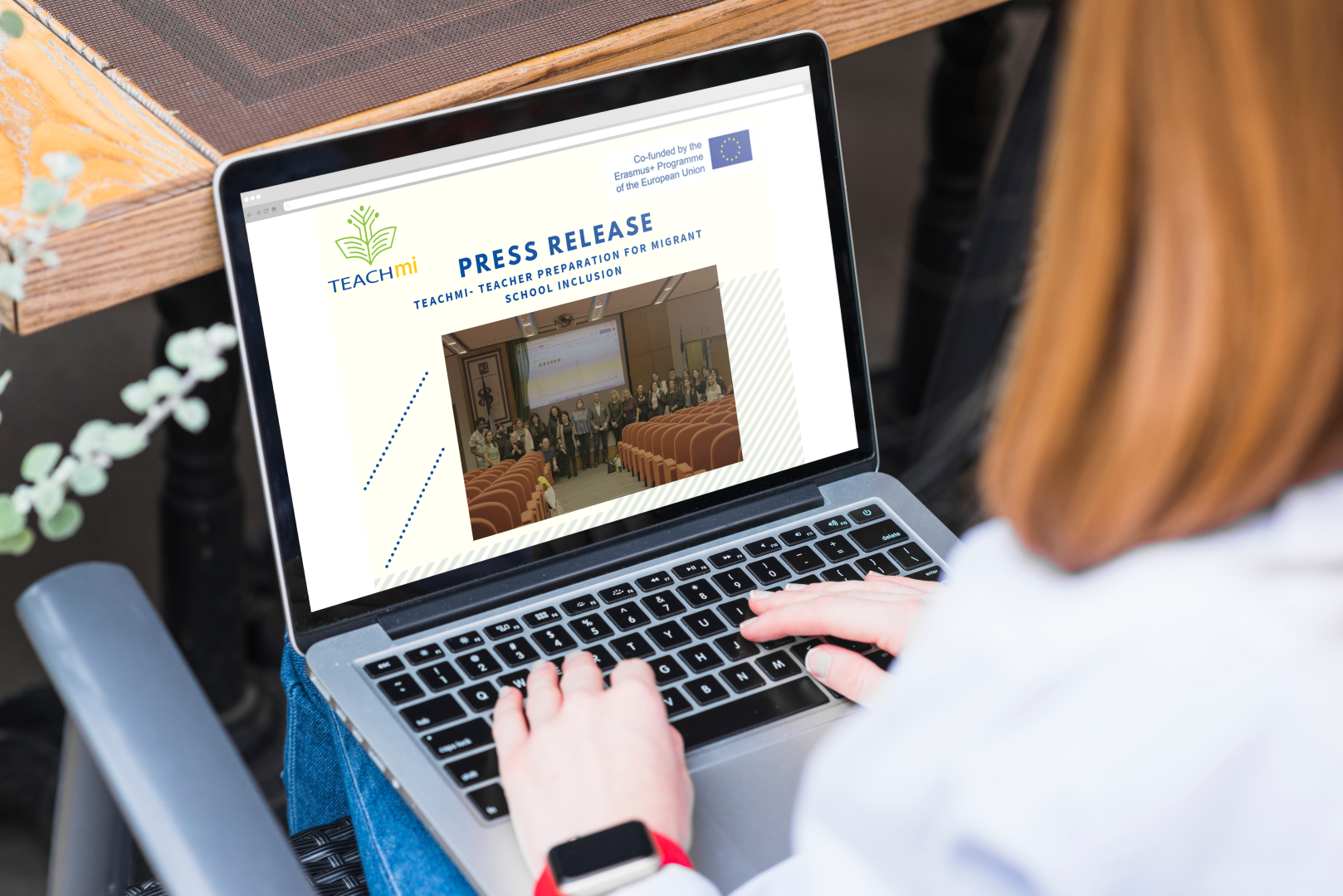
TEACHmi aims to provide effective tools, teaching materials and guidelines to teachers of multicultural classes as well as school leaders in order to facilitate the inclusion of students with migrant backgrounds.
For this DISC Sustainability report, each partner chose some projects from their own countries, analysing the sustainability after the project life time ended.