The EMBRACE SWOT Analysis presents the findings of the mapping carried out in Greece, Italy, Bulgaria and Poland on the risks of labour exploitation and trafficking in human beings affecting migrant.


Contributes to the development of society, innovation and knowledge.

Help develop measures to counter violence and discrimination.

Supports adults in enhancing skills to promote their professional growth and participation in social and civic life.

Promotes quality and efficiency in education.

Supports and promotes educational activities, training courses and mobility projects aimed at young people.

CESIE ETS is a European center for studies and initiatives based in Palermo, Sicily.
The EMBRACE SWOT Analysis presents the findings of the mapping carried out in Greece, Italy, Bulgaria and Poland on the risks of labour exploitation and trafficking in human beings affecting migrant.

AWARE offre alle donne disoccupate da almeno 12 mesi nuove opportunità di formazione, orientamento e inserimento lavorativo nel settore agroalimentare.

AWARE’s International Report analyses the challenges and opportunities for promoting the entry and re-entry of women into the agri-food sector, highlighting the role of social innovation in fostering greater inclusion.
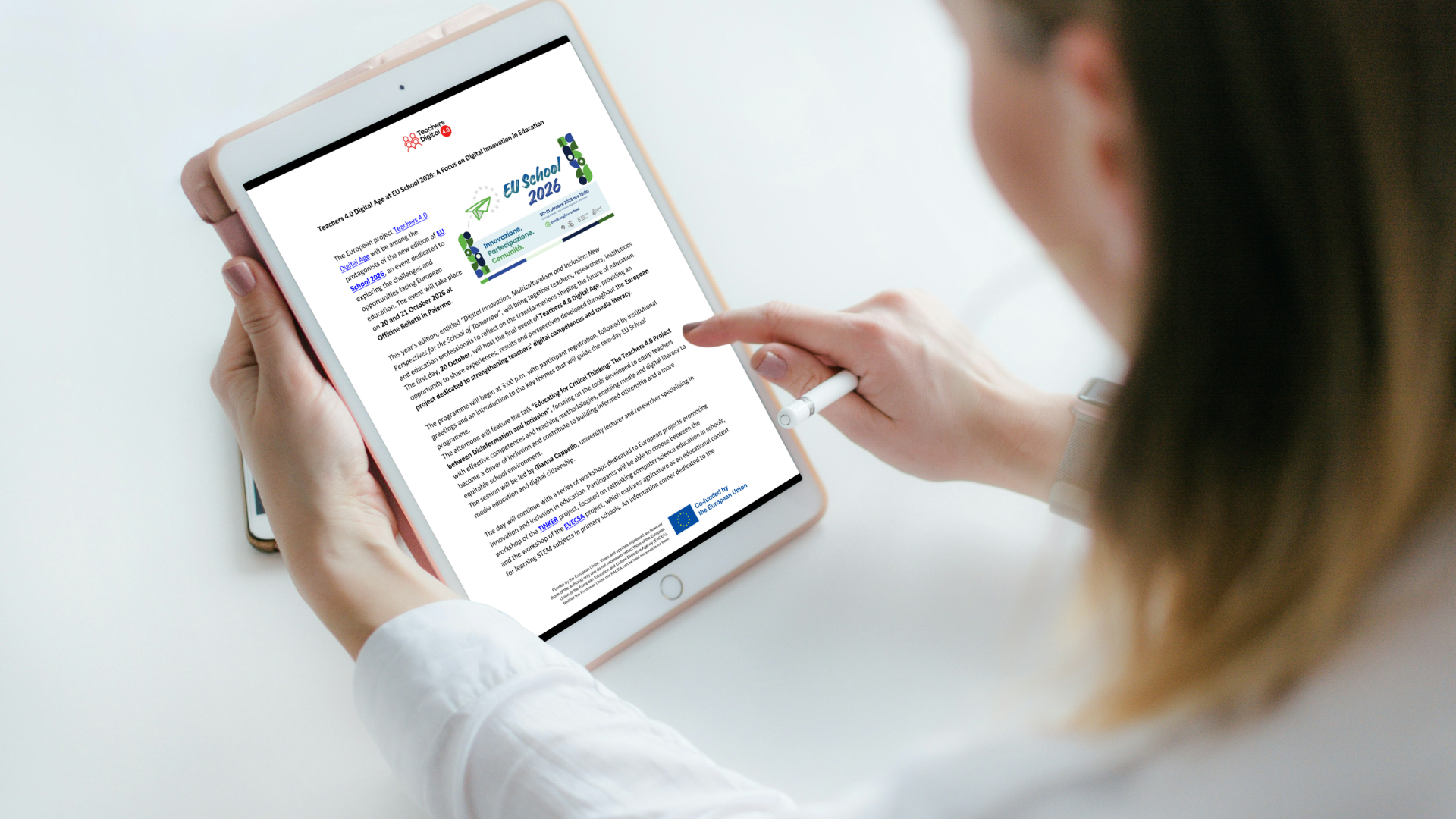
This section brings together all the TEACHERS 4.0 press releases, providing updates on the project’s main activities, achievements, and developments.
The AWARE International Report analyses female employment in the agri-food sector, highlighting inequalities, barriers and opportunities to promote greater inclusion in the labour market through the Rural Social Innovation (RSI) model.

The impact analysis of the ECOPRISE course is based on international piloting results and assesses learners’ participation, learning, skills, competences, motivation, and participants’ outcomes. It provides a clear overview of the test results.

We are reminded that preventing trafficking is a shared responsibility.
Discover the latest news of the project, download the e-newsletter.
This section contains updates on the YouthPioneer project.

A training programme aimed at 204 professionals working in local authorities explored the role of local councils in preventing human trafficking and labour exploitation, highlighting the potential of administrative procedures and local monitoring tools.

This blueprint presents 11 practical mobility models designed to support the professional development of both practising and trainee teachers across Europe.

SAMPLE aims to modernise entrepreneurship education through accessible tools, interdisciplinary approaches and innovative teaching methods.

The mapping provides stakeholders and the public with information on practices in Austria, Greece, Italy and Poland supporting the academic integration of displaced Ukrainian scholars and students, highlighting selected strategies and approaches without offering a comprehensive overview.
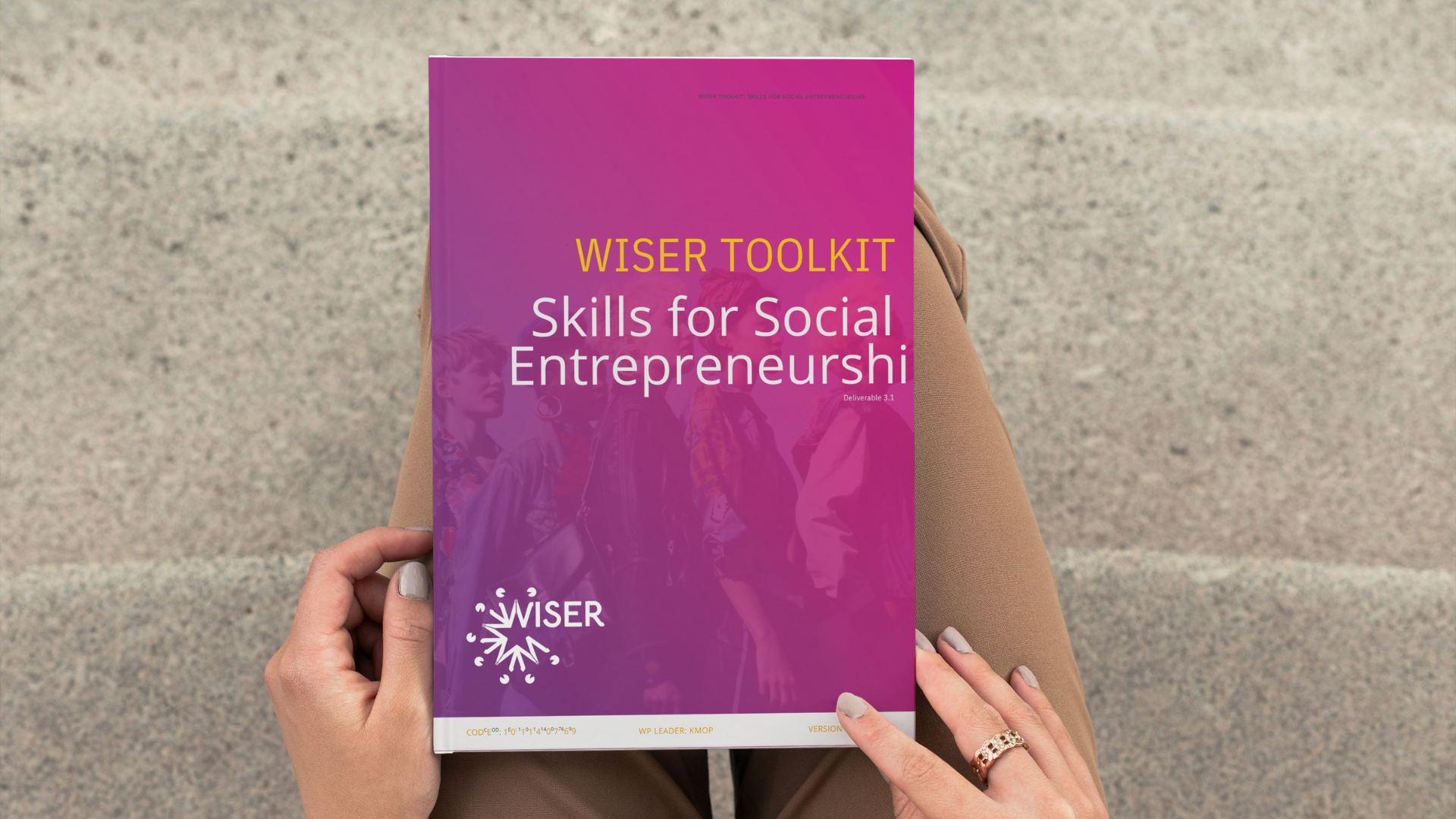
The WISER Toolkit uses adult learning, experiential activities and trauma-informed approaches to empower migrant women entrepreneurs, building confidence, skills and inclusive, resilient local entrepreneurship ecosystems.

WISER Policy Recommendations offer useful insights for effective dialogue with policy-makers at local and international level.