This operational resource brings together evidence, practical approaches, and tools to address the gender care gap, fostering inclusive educational practices.


Contributes to the development of society, innovation and knowledge.

Help develop measures to counter violence and discrimination.

Supports adults in enhancing skills to promote their professional growth and participation in social and civic life.

Promotes quality and efficiency in education.

Supports and promotes educational activities, training courses and mobility projects aimed at young people.

CESIE ETS is a European center for studies and initiatives based in Palermo, Sicily.
This operational resource brings together evidence, practical approaches, and tools to address the gender care gap, fostering inclusive educational practices.
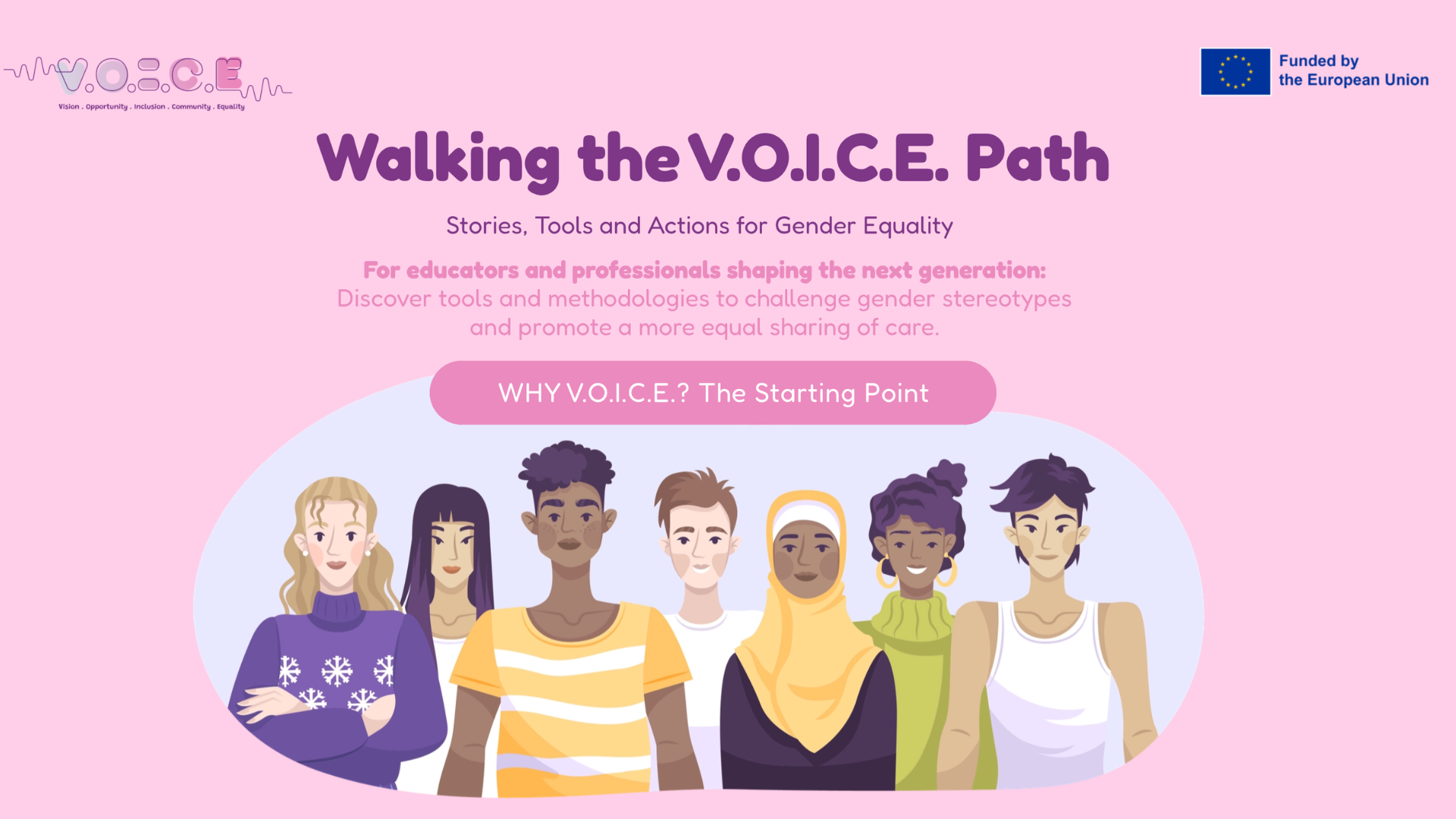
Tools, methodologies, stories, and good practices to challenge gender stereotypes.
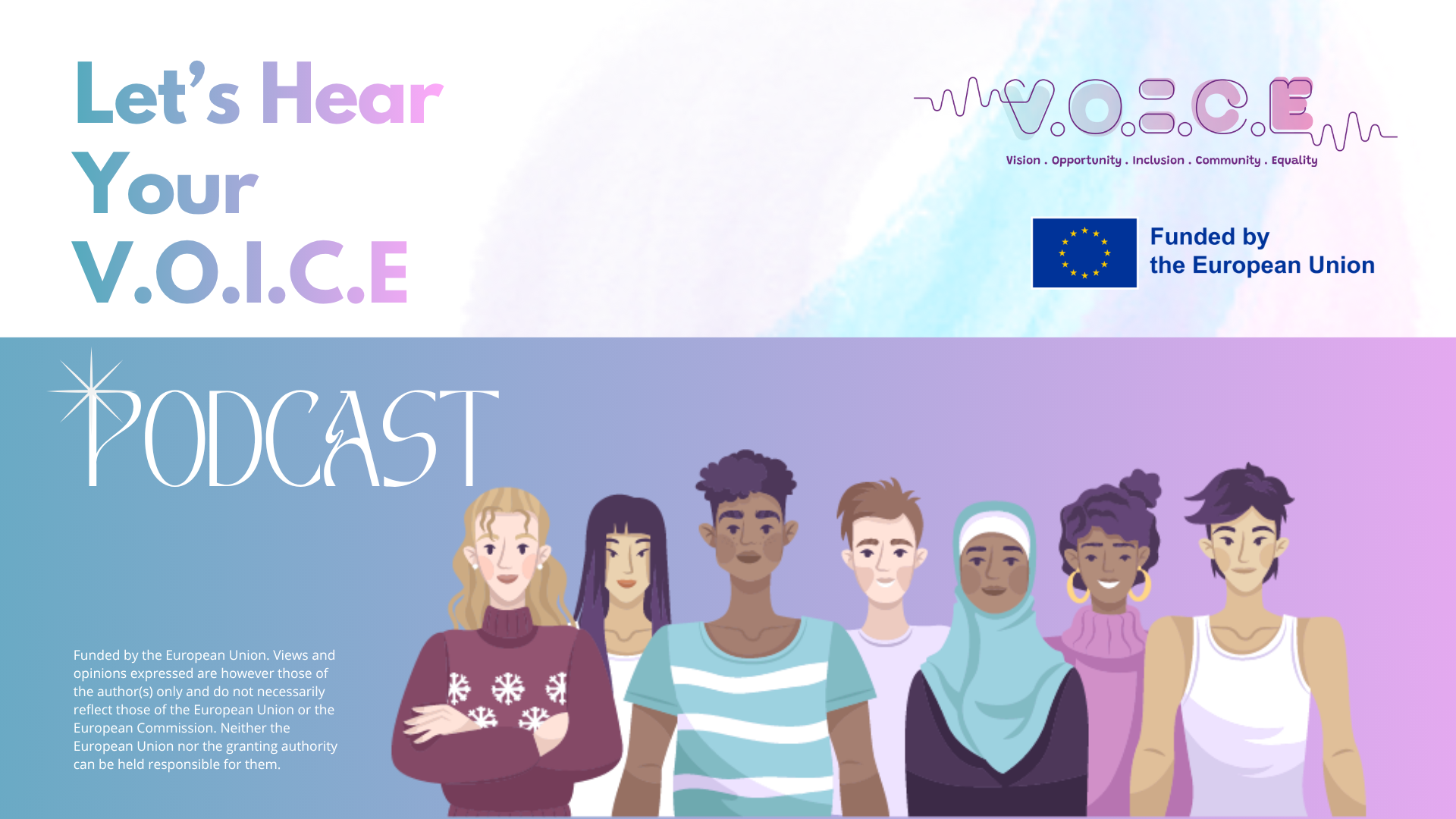
A podcast series featuring stories, interviews, and expert insights exploring gender stereotypes, consent, emotional education, and social change.

The HATEDEMICS Educational Toolkit is a practical resource designed for teachers, educators, civil society organisations, fact-checkers, and public authorities to understand, prevent, and respond to online hate speech and disinformation.

The HATEDEMICS Methodology establishes the methodological and socio-technical requirements guiding the development of the HATEDEMICS platform.

The Hatedemics report provides a comprehensive overview of current knowledge, theoretical frameworks, and best practices for understanding and addressing online hate speech, disinformation, and conspiracy theories.

An interactive online training programme designed for employers, managers, and HR personnel, aimed at guiding participants through a process of deconstructing gender-related stereotypes and biases, particularly those tied to caregiving responsibilities.

This report presents the key lessons emerging from the implementation of the GUIDE project and explores their relevance for future policy and practice.
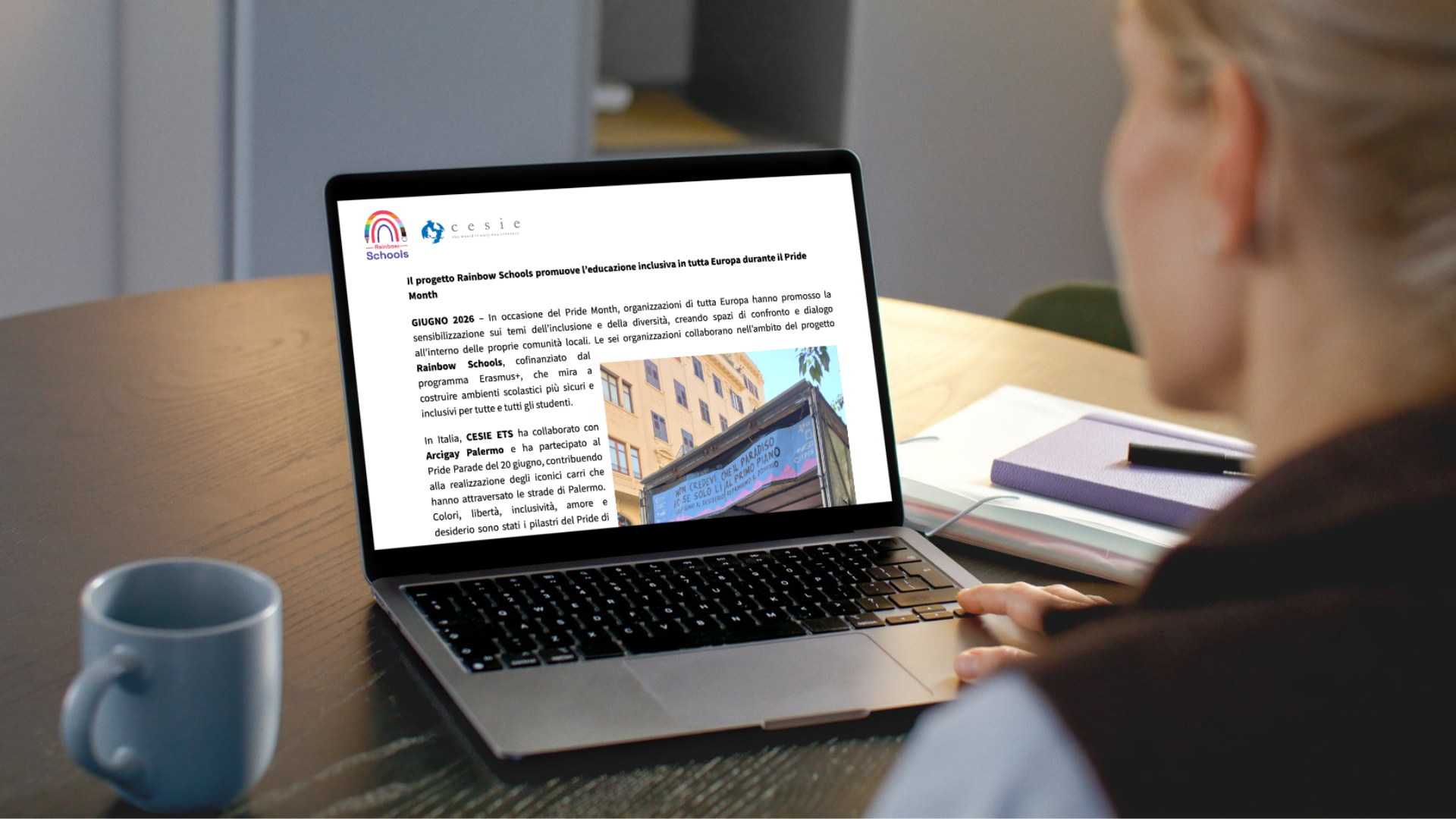
Latest news from Rainbow Schools

Read the latest news about the MINDFIT project.

This awareness-raising video provides a clear and accessible overview of child trafficking, with a specific focus on the European context.

The SafeBorders Handbook provides practical and evidence-based guidance to all professionals working on child trafficking.

The guidelines for the Rainbow Buddies Scheme programme provide an overall methodological framework for planning and implementing a peer support programme in migration and civil rights areas in order to foster social inclusion.

Policy briefs developed by the partnership to support EU universities in strengthening their readiness to prevent and respond to online and offline sexual harassment through an equity-based approach.

The ‘Universities against sexual harassment’ brief presents the Uni4Equity project, which aims to strengthen universities’ capacity to prevent, identify and tackle sexual harassment, both online and offline.