SHIELD is gathering opinions and perspectives to develop safer, more accessible and more ethical digital tools.



Contributes to the development of society, innovation and knowledge.

Help develop measures to counter violence and discrimination.

Supports adults in enhancing skills to promote their professional growth and participation in social and civic life.

Promotes quality and efficiency in education.

Supports and promotes educational activities, training courses and mobility projects aimed at young people.

CESIE ETS is a European center for studies and initiatives based in Palermo, Sicily.
SHIELD is gathering opinions and perspectives to develop safer, more accessible and more ethical digital tools.

AWARE’s International Report analyses the challenges and opportunities for promoting the entry and re-entry of women into the agri-food sector, highlighting the role of social innovation in fostering greater inclusion.
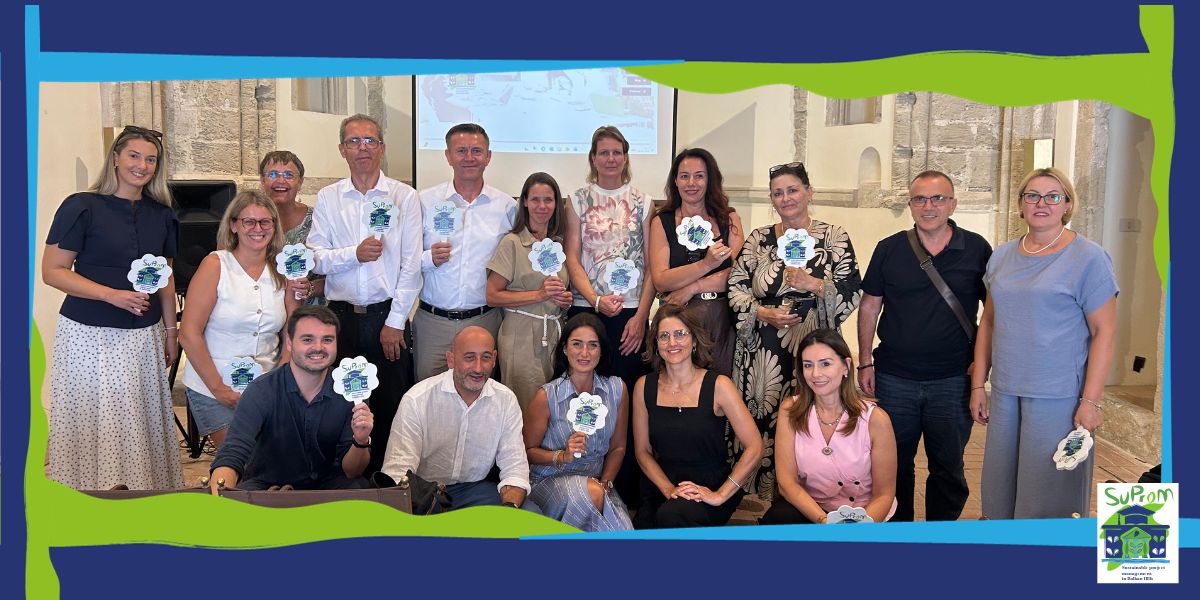
Five universities in Albania and Bosnia and Herzegovina have piloted new Sustainable Project Management programmes to strengthen skills, tools and partnerships, and to promote more sustainable management in universities across the Western Balkans.

From 30 September to 11 October, Disability Pride Palermo returns with events, activities and discussions focusing on accessibility, participation and self-determination, culminating in the parade on 10 October dedicated to ‘Revolutionary Disabilities’.

RE-GRAD transforms higher education in Armenia and Moldova towards sustainability.
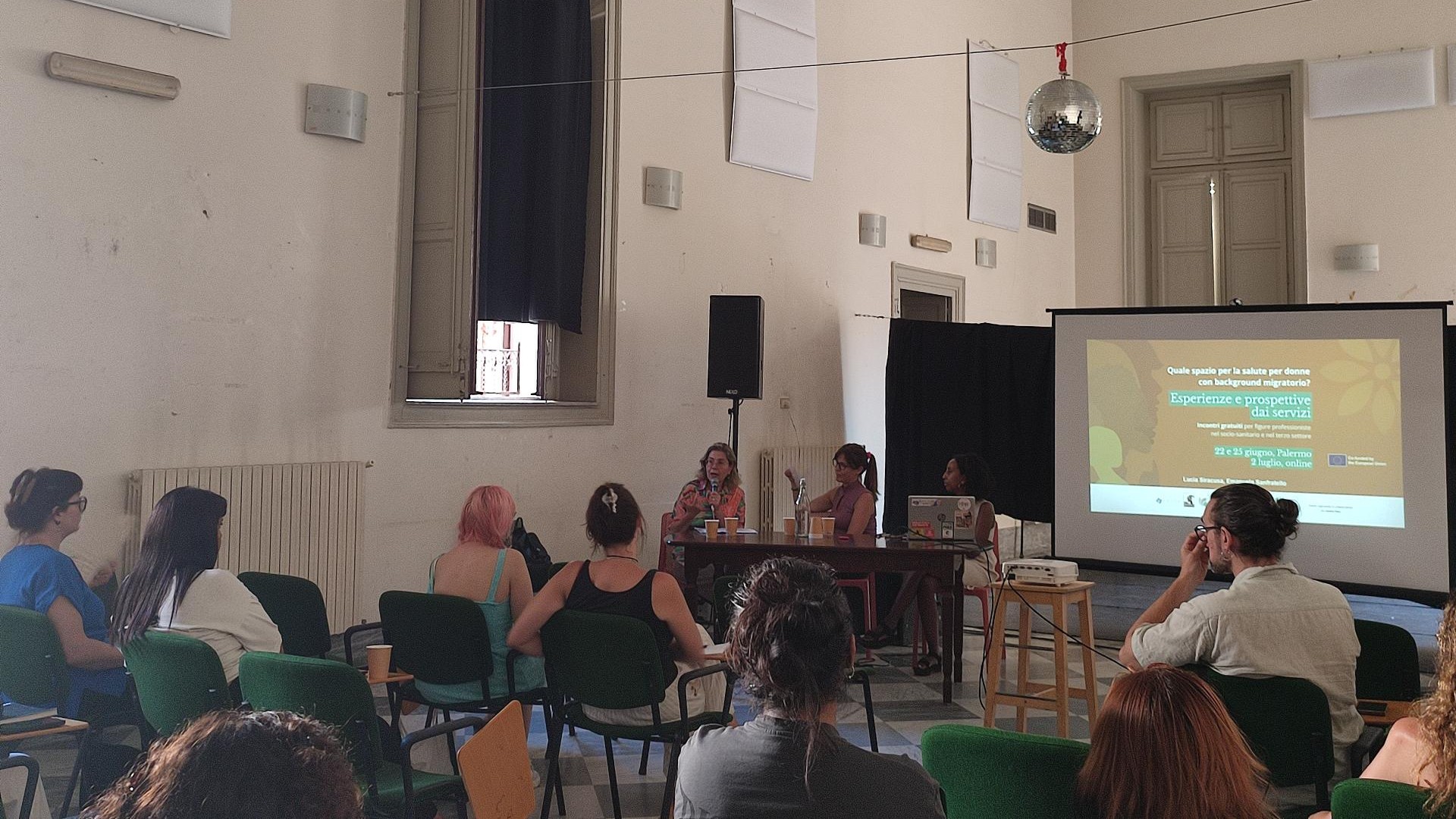
Between June and July 2026, CESIE and Centro Penc organised three days of meetings aimed at social workers, health professionals, linguistic-cultural mediators, and professionals working in third-sector organisations, to discuss issues related to health and wellbeing, share practices, experiences, and working tools, and reflect on how to improve access to services and care pathways for women with a migrant background, with particular attention to health protection, the prevention of gender-based violence, and the building of effective territorial networks.

CESIE ETS is looking for an “external evaluator” for the DIGI-FRAME project.

As we marked the International Day against Trafficking in Persons a few days ago, we question whether Europe’s new phase of migration governance, focused on strengthening border control and preventing irregular arrivals, contributes to ensuring that people at risk of exploitation are recognised and protected.