This report presents the key lessons emerging from the implementation of the GUIDE project and explores their relevance for future policy and practice.


Contributes to the development of society, innovation and knowledge.

Help develop measures to counter violence and discrimination.

Supports adults in enhancing skills to promote their professional growth and participation in social and civic life.

Promotes quality and efficiency in education.

Supports and promotes educational activities, training courses and mobility projects aimed at young people.

CESIE ETS is a European center for studies and initiatives based in Palermo, Sicily.
This report presents the key lessons emerging from the implementation of the GUIDE project and explores their relevance for future policy and practice.

Read the latest news about the MINDFIT project.

This awareness-raising video provides a clear and accessible overview of child trafficking, with a specific focus on the European context.

The SafeBorders Handbook provides practical and evidence-based guidance to all professionals working on child trafficking.

The GUIDE report puts forward a set of targeted recommendations aimed at strengthening the guardianship system for unaccompanied minors in practice.
The report provides evidence-based policy recommendations to address the use of emerging tobacco products among young people. It supports the development of effective regulations at national and EU level.
The guidelines and training materials support teachers, educators and professionals in preventing the use of emerging tobacco products.
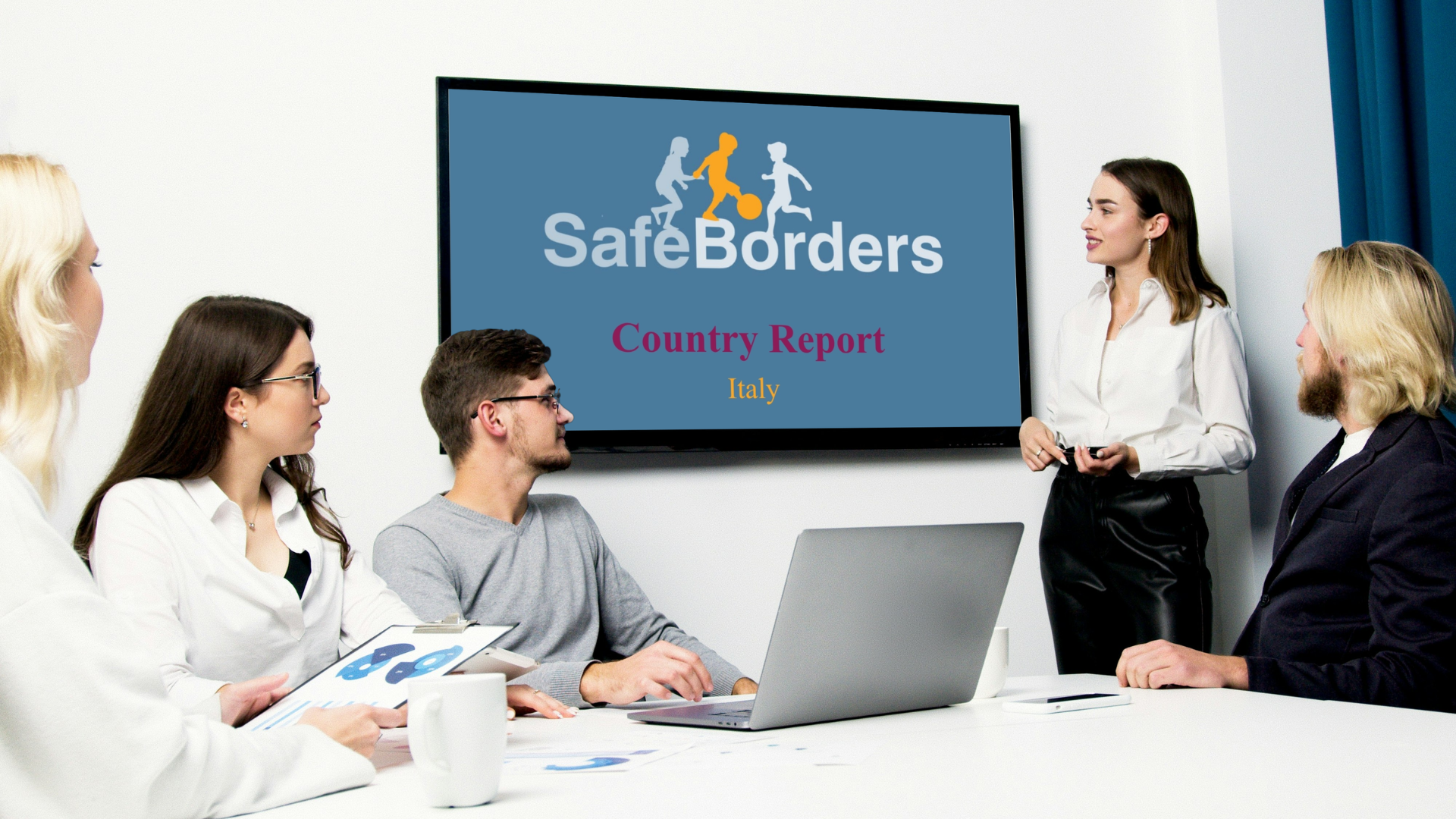
The Report presents the main findings on Italy’s system for preventing and addressing child trafficking.
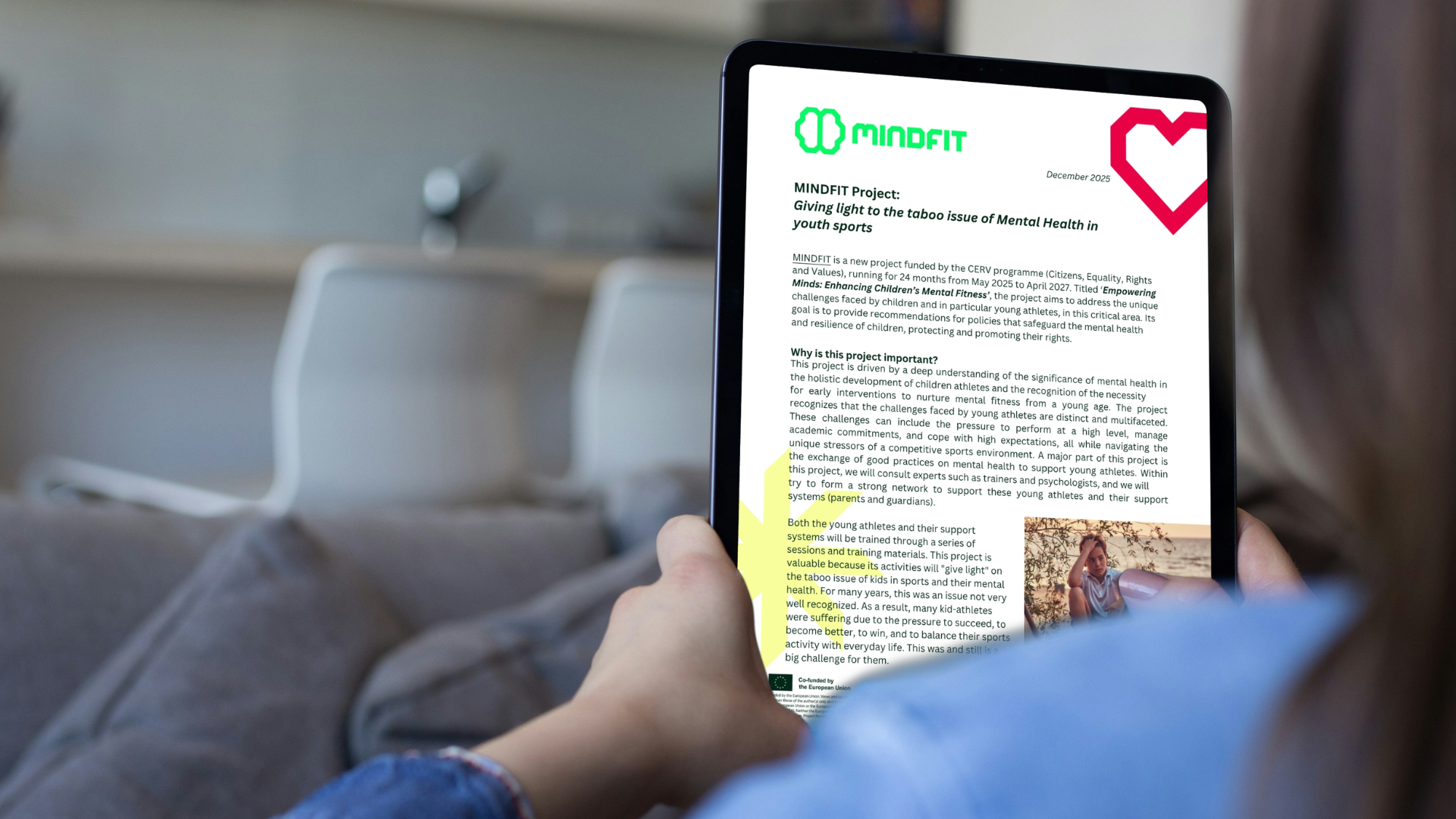
This section gathers the official press releases of the MINDFIT project.

This report is an assessment of the Italian national capacity on the types of support (legal, social, economic, administrative, psychological) provided to volunteer guardians of unaccompanied migrant children living in Italy.

This booklet is a guide for people working in socio-educational animation (youth workers/educators) on the topics of sexual exploitation and abuse.
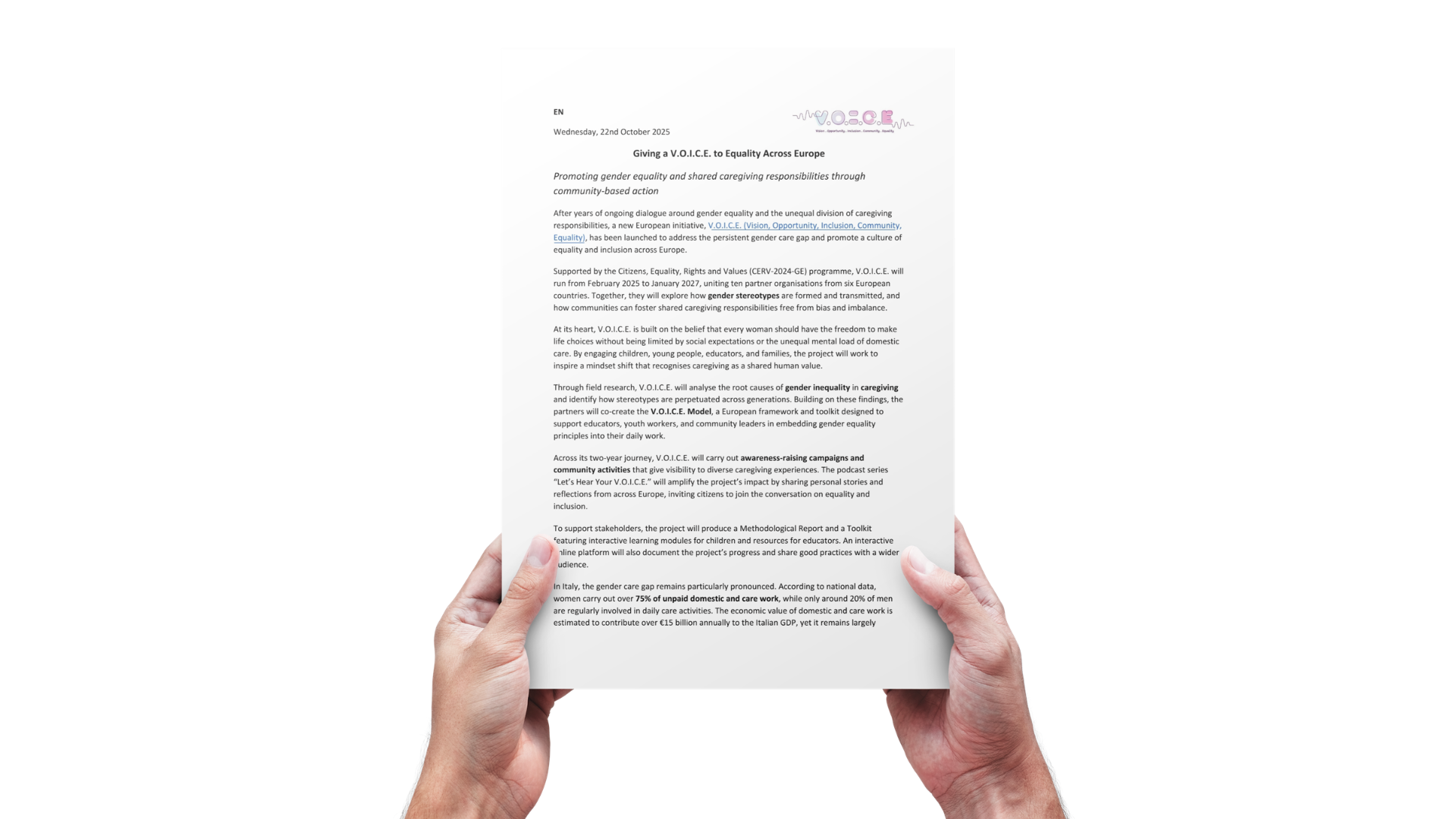
The V.O.I.C.E. project develops a transnational initiative aimed at preventing and addressing gender-based violence among young people by strengthening awareness of gender stereotypes, consent, healthy relationships, and mutual respect.
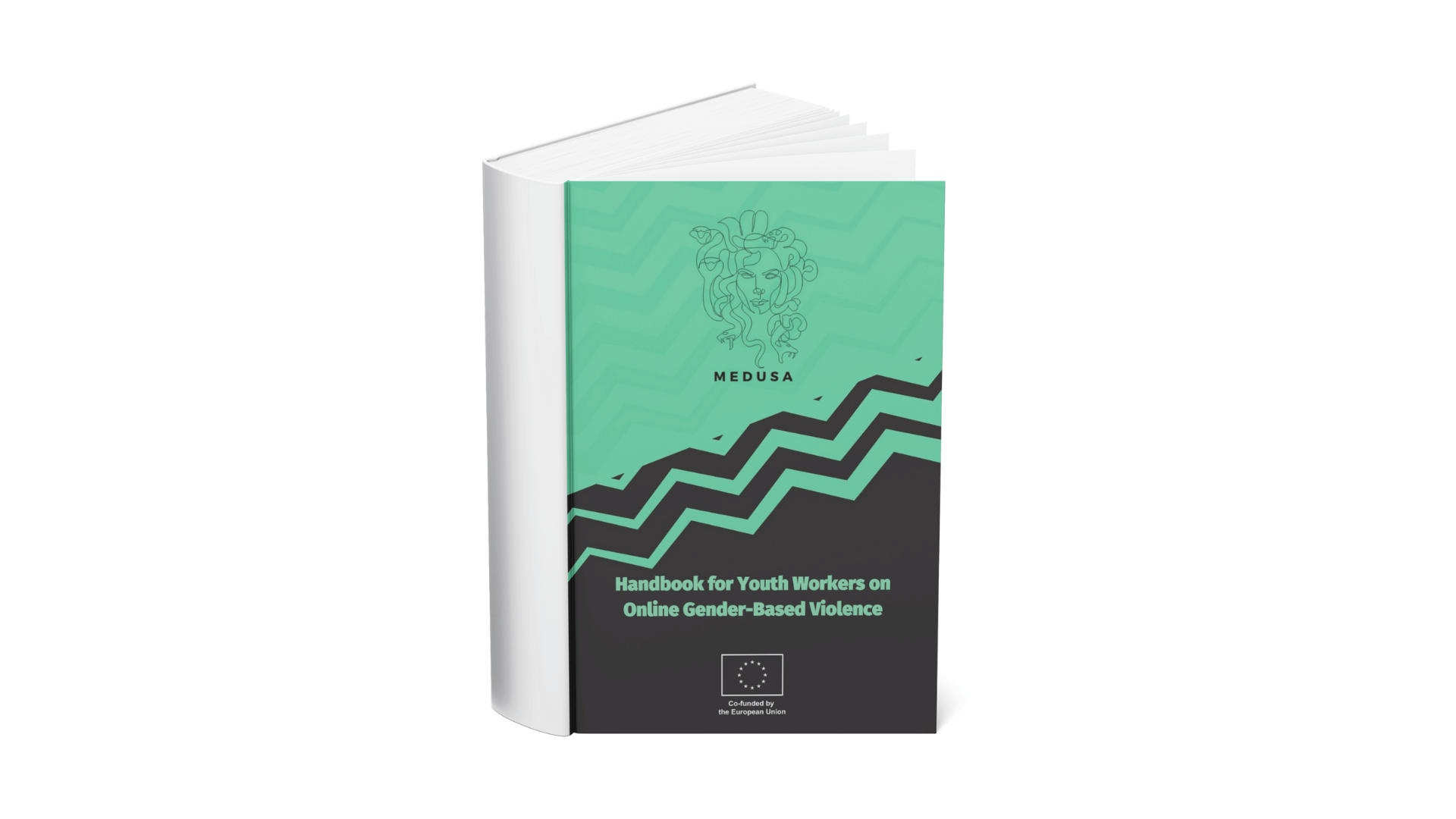
The purpose of the MEDUSA handbook is to support youth workers in recognizing, understanding, and effectively responding to online gender-based violence (OGBV).
This advocacy guide offers practical strategies to promote cooperation in child trafficking investigations, with a special focus on the role of digital evidence.
This report explores how multi-agency cooperation and public-private partnerships (PPPs) can enhance the prevention, detection, and response to human trafficking, especially in an increasingly digital environment.