This blueprint presents 11 practical mobility models designed to support the professional development of both practising and trainee teachers across Europe.


Contributes to the development of society, innovation and knowledge.

Help develop measures to counter violence and discrimination.

Supports adults in enhancing skills to promote their professional growth and participation in social and civic life.

Promotes quality and efficiency in education.

Supports and promotes educational activities, training courses and mobility projects aimed at young people.

CESIE ETS is a European center for studies and initiatives based in Palermo, Sicily.
This blueprint presents 11 practical mobility models designed to support the professional development of both practising and trainee teachers across Europe.

This reference document identifies four key areas for modern teacher education: Technological Empowerment, Sustainability, Entrepreneurship, and Playful Learning.

XXI-EU-TEACH sets out a framework for reforming teacher education around a co-education model.

This research paper provides the academic grounding for the co-education model developed within the XXI-EU-TEACH project.

Learning Model The YouthPioneer Learning Model is designed to integrate young NEET individuals into the labour market. It guides on fostering collaboration between public institutions and private entities for work-based learning, includes a mentorship program...

The NOVA E-Directory collects existing good practices in Europe for innovative solutions in the cultural creative sector.

This Toolkit is a collection of resources for administrative staff, academic staff and PhD students who fill the role of potential coordinators or partners of Erasmus Plus projects.
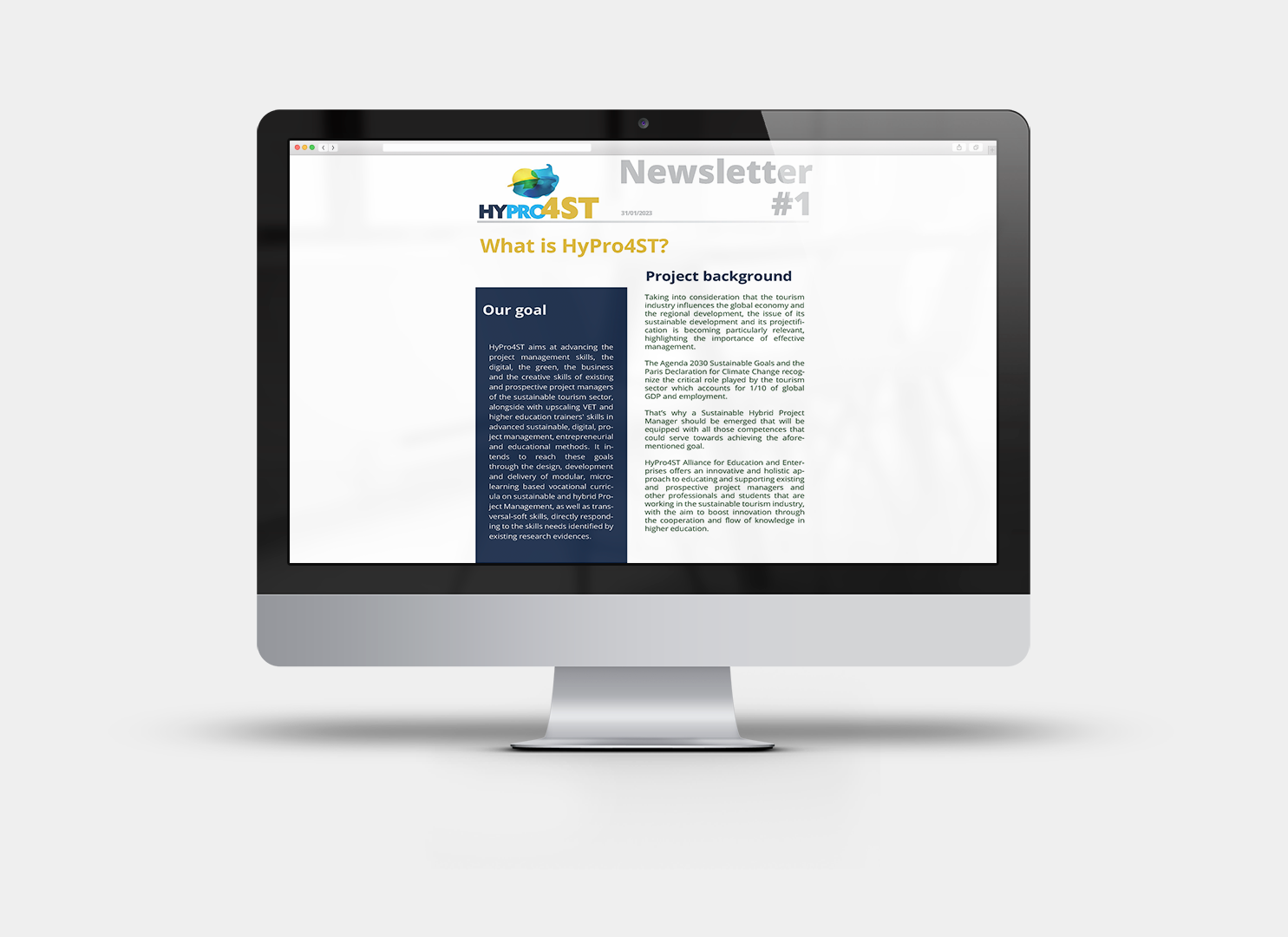
HyPro4SΤ aims at advancing the project management skills, the digital, the green, the business and the creative skills of existing and prospective project managers of the sustainable tourism sector. Read HyPro4st Newsletter now!

The Compendium, which is an add-on to the State-of-Art Study, is a collection of case-studies and best practices implemented in the country partners (Italy, Cyprus, Spain, and Greece).

This Report aims to map the industrial heritage of the cities being explored by the project and analyse the legacy this heritage has left in the present.
The CIM Competence Framework is the reference for the recognition and assessment of 15 competencies related to the management of Creativity and Innovation that students and trainees should develop to improve their employment opportunities.

These working guidelines were developed by CESIE within the CHOICE project aiming at increasing young people’s motivation to choose STEM careers through an innovative cross-disciplinary STE(A)M approach to education.

This guide aims to enable adult education centres to follow the Design Thinking process, enabling them to implement the method in their own organisation or networks.

This handbook describes the whole Design Thinking process, suggests practical methods to complete the different steps of the process and concludes with 6 case studies on the work of the project partner organisations.
The Framework provides reflections based on the findings of the CHOICE state-of-the-art mapping activities, with regard to the identified areas of improvement within the current state of STEM curricula and educational approaches.