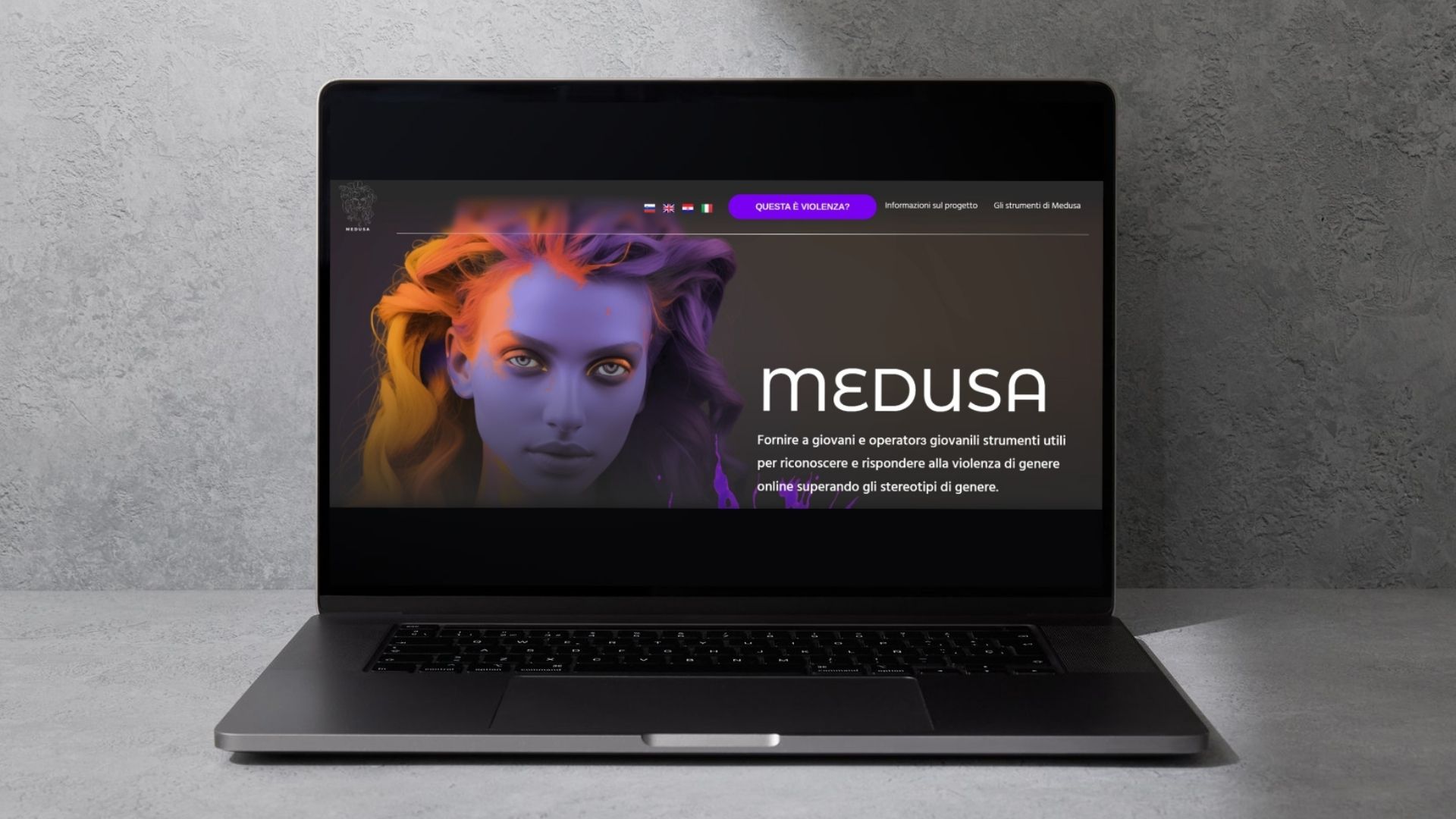
The MEDUSA project platform is an innovative tool designed to combat gender-based violence online.


Contributes to the development of society, innovation and knowledge.

Help develop measures to counter violence and discrimination.

Supports adults in enhancing skills to promote their professional growth and participation in social and civic life.

Promotes quality and efficiency in education.

Supports and promotes educational activities, training courses and mobility projects aimed at young people.

CESIE ETS is a European center for studies and initiatives based in Palermo, Sicily.
The MEDUSA project platform is an innovative tool designed to combat gender-based violence online.

The roadmap is intended to guide lɜ lettorɜ in opening an intergenerational dialogue on issues of sexual and affective education between youth and adults, considering the needs of adolescents in terms of sexuality and affectivity.

These guidelines are the result of the perspectives of young people and socioeducational staff on the skills and experiences of participation in the area.

Green Zines present the Green League’s 4 natural elements’ sport events in nature experience through photos, quotes and material collected by participants during the 8 local events in each partner country.

This manual of methodologies for inclusive sports gathers different segments related to inclusive sport, including sport for people with physical disabilities, sport for youth at risk of marginalisation and other different non-formal education methodologies applicable to sport.

This guide helps to guide trainers in developing a sound entrepreneurship training course, through outlined key elements, methodologies, and specific information to create content and deliver the program effectively.

Outlines of Sports Events in Europe are designed to guide and support sport professionals, sport clubs and stakeholders during the management and execution of sports events combined with environmental reflection.
The general objective of this course is to complete participants’ training in Entrepreneurship with some final key components of being/becoming an entrepreneur.
The general objective of this course is to advance the business idea into a formal Business Plan.

The “Roadmap for Youth Social Inclusion through Art and Culture in a post-pandemic context” is the last output of the RECAP project. Its objective is to collect the lessons learnt during the local paths implemented with youth workers and youths and draw a set of recommendations and possible guidelines on how to accompany a process of social inclusion for vulnerable youths by the means of cultural and artistic methods and tools.
The policy brief collects good practices, experiences and lessons learned from stakeholders and all project beneficiaries.

The manual contributes to improving people’s personal development, employability and participation in the European labor market by identifying what skills are in demand in the labor market.
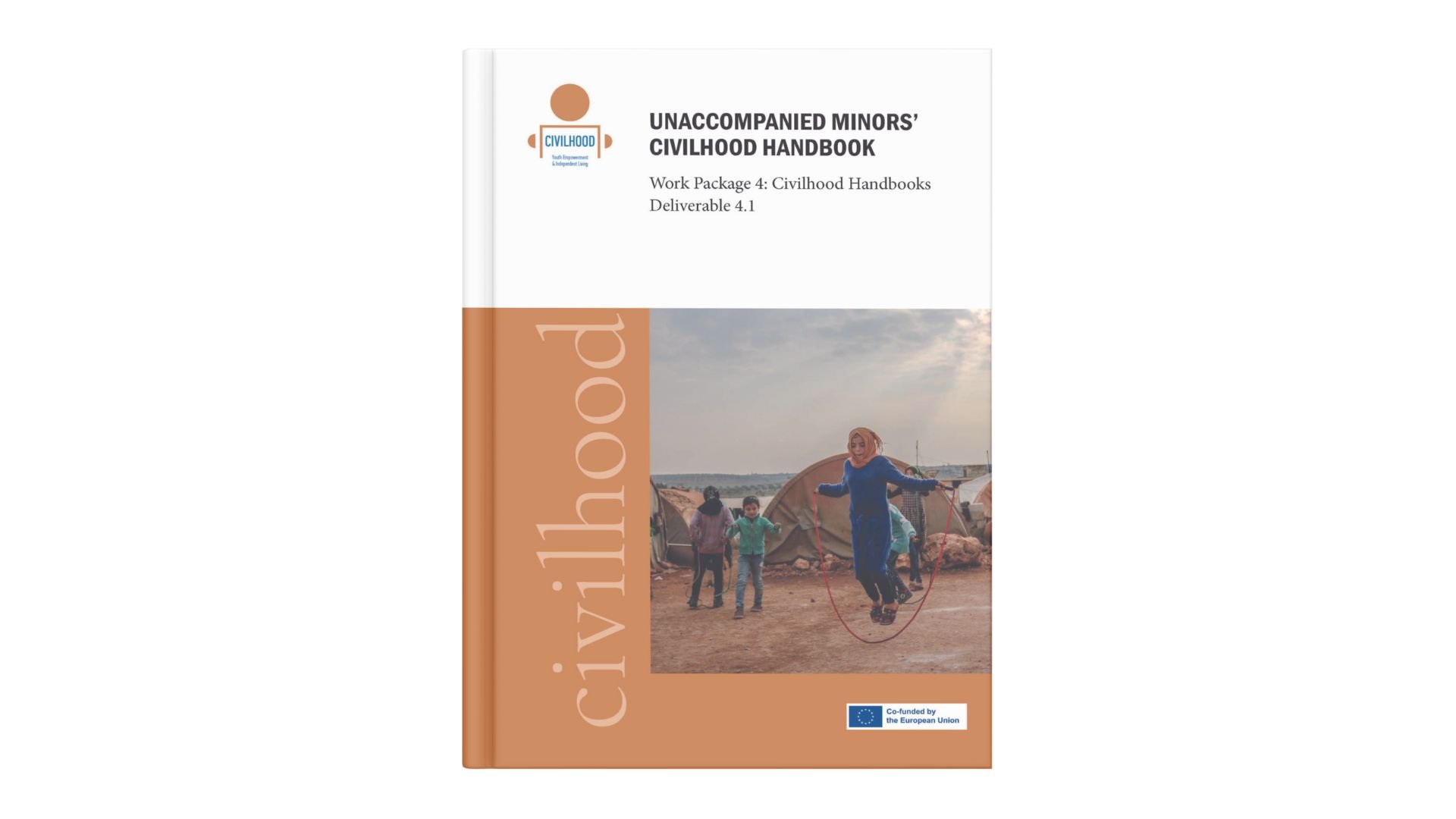
The main objective of this handbook is to stand as a beacon of support for unaccompanied minors as they navigate the pivotal transition into early adulthood.

Increasing the competences of youth workers in nature-based environmental education, with the aim to promote active participation, inclusion, youth empowerment and engagement of young people coming from disadvantaged urban areas.

This Literature review aims to identify the key themes in building social relations among young people living in the local communities of Italy, Belgium and Finland.