The D3 professional teacher development course focuses on competences related to digital technologies and data literacy.



Contributes to the development of society, innovation and knowledge.

Help develop measures to counter violence and discrimination.

Supports adults in enhancing skills to promote their professional growth and participation in social and civic life.

Promotes quality and efficiency in education.

Supports and promotes educational activities, training courses and mobility projects aimed at young people.

CESIE ETS is a European center for studies and initiatives based in Palermo, Sicily.
The D3 professional teacher development course focuses on competences related to digital technologies and data literacy.

D3 Gallery of case studies contains examples of pedagogical approaches for developing digital data literacy in secondary schools.

The D3 project has created a toolkit of resources to help teachers to use and integrate open data in their classes, and increase their digital data literacy and open data awareness.

This document presents the development process and its results, addressing the models of distance learning at Higher Education Institutions (HEIs) in Kosovo, Montenegro, Bosnia and Herzegovina.

Welcome to DIGITAG Newsletters!
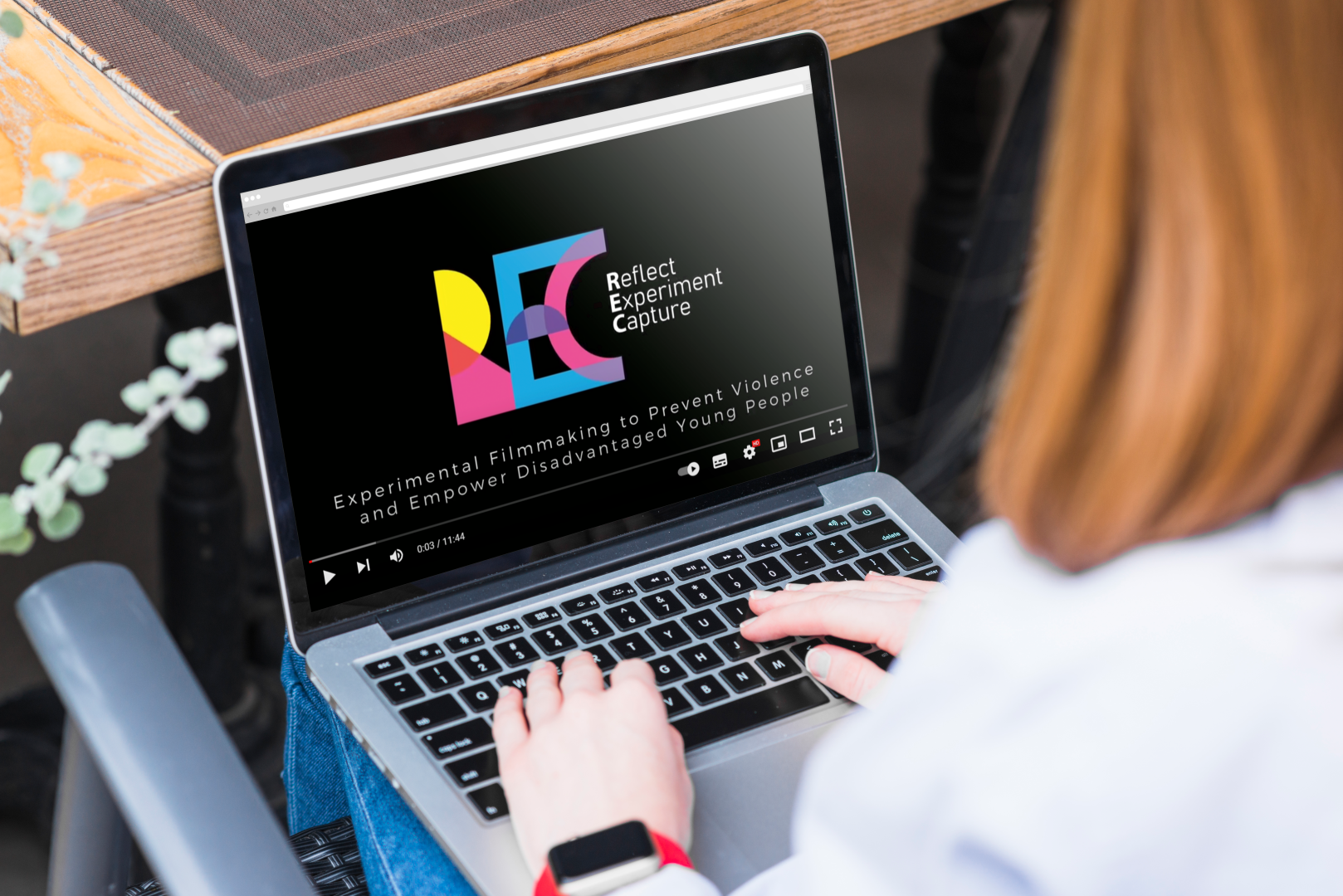
The REC Documentary Film highlight the method used in the production of the experimental films.

This report aims to provide recommendations for the further use and development of e-Learning systems in Higher Education Institutions that aim to enhance special needs students’ academic performance.

The report offers insights from the most current view of online education in Higher Education Institutions from Partner countries involved in the SMARTEL project.

This report offers insights from the most current view of online education in Higher Education Institutions from Erasmus+ Programme Countries involved in the SMARTEL project.
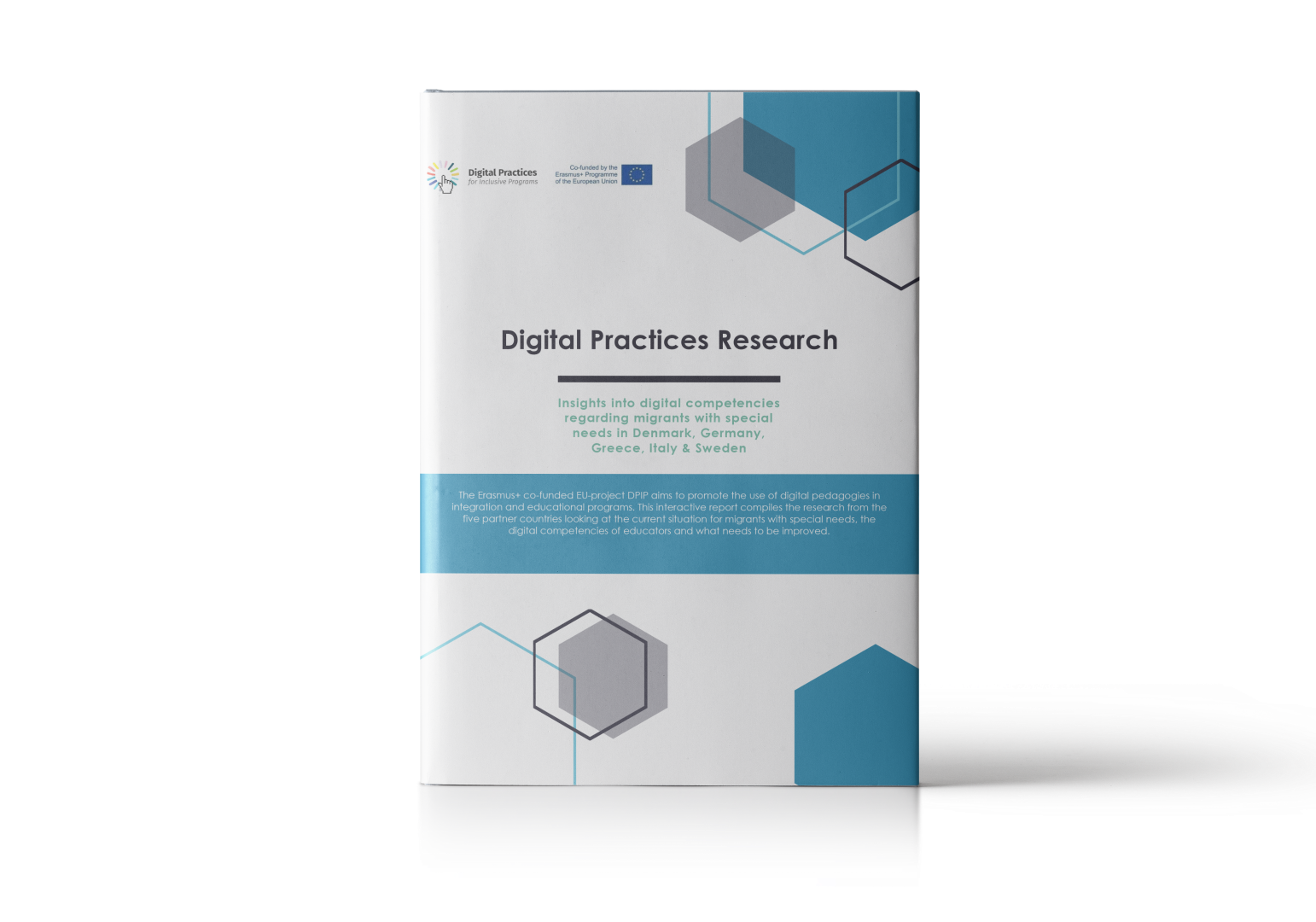
The Digital Practices Research is a collection of research aimed at providing a common understanding of the current situation in Italy, Germany, Denmark, Greece and Sweden regarding the level of e-skills and knowledge of trainers, language teachers and counsellors that works with migrants.

CHILDREN FIRST organised an online creative public contest with audio-visual collages, short theatre or musical performances on DVD, poems, comics or photography realized by young people

The Children First consortium realised an E-Learning course for teachers and educators, a theoretical and practical course aimed at strengthening teachers’ existing capacities and understanding on how to identify and tackle school-related gender-based violence.

The Children First consortium developed awareness raising and educational youth-led campaign in order to promote messages of gender equality and inclusion and tackle commonly held gender stereotypes that shape gender dynamics among children and young people.

The CHILDREN FIRST Online Game is addressed to children and young people, and aims at supporting them in challenging rigid social norms and gender stereotypes, while promoting gender socialization and healthy relationships.

The aim of this best practices handbook is to share strategic advice and knowledge obtained in the framework of the research and consequent implementation of the project titled “RETHINK – Alternative Narratives to Violent Extremism”.