This short manual summarises the work carried out during the international training on gender sensitivity and intersectionality.


Contributes to the development of society, innovation and knowledge.

Help develop measures to counter violence and discrimination.

Supports adults in enhancing skills to promote their professional growth and participation in social and civic life.

Promotes quality and efficiency in education.

Supports and promotes educational activities, training courses and mobility projects aimed at young people.

CESIE ETS is a European center for studies and initiatives based in Palermo, Sicily.
This short manual summarises the work carried out during the international training on gender sensitivity and intersectionality.
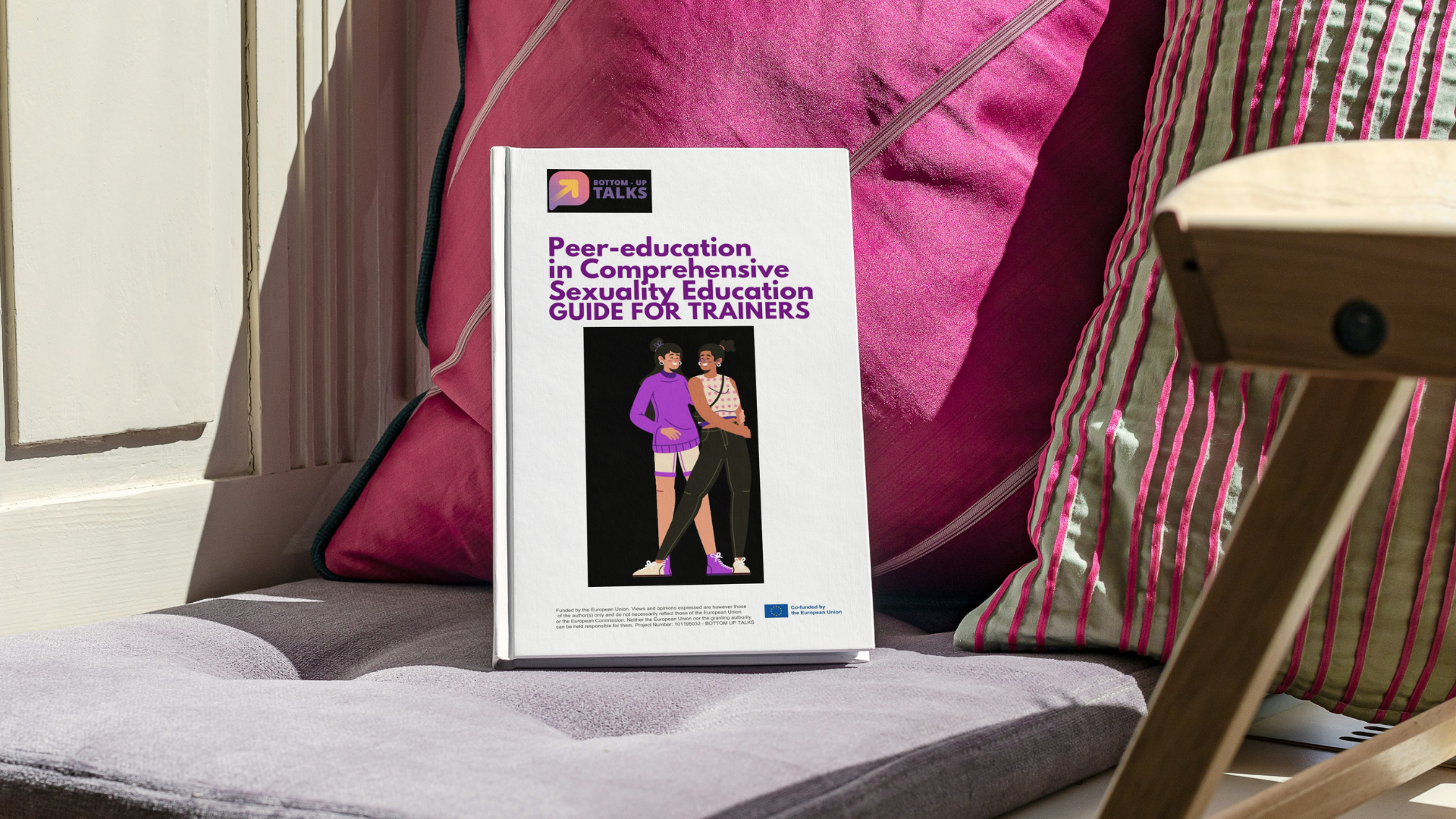
Questa guida è pensata per le persone giovani che desiderano progettare e facilitare percorsi di apprendimento tra pari.
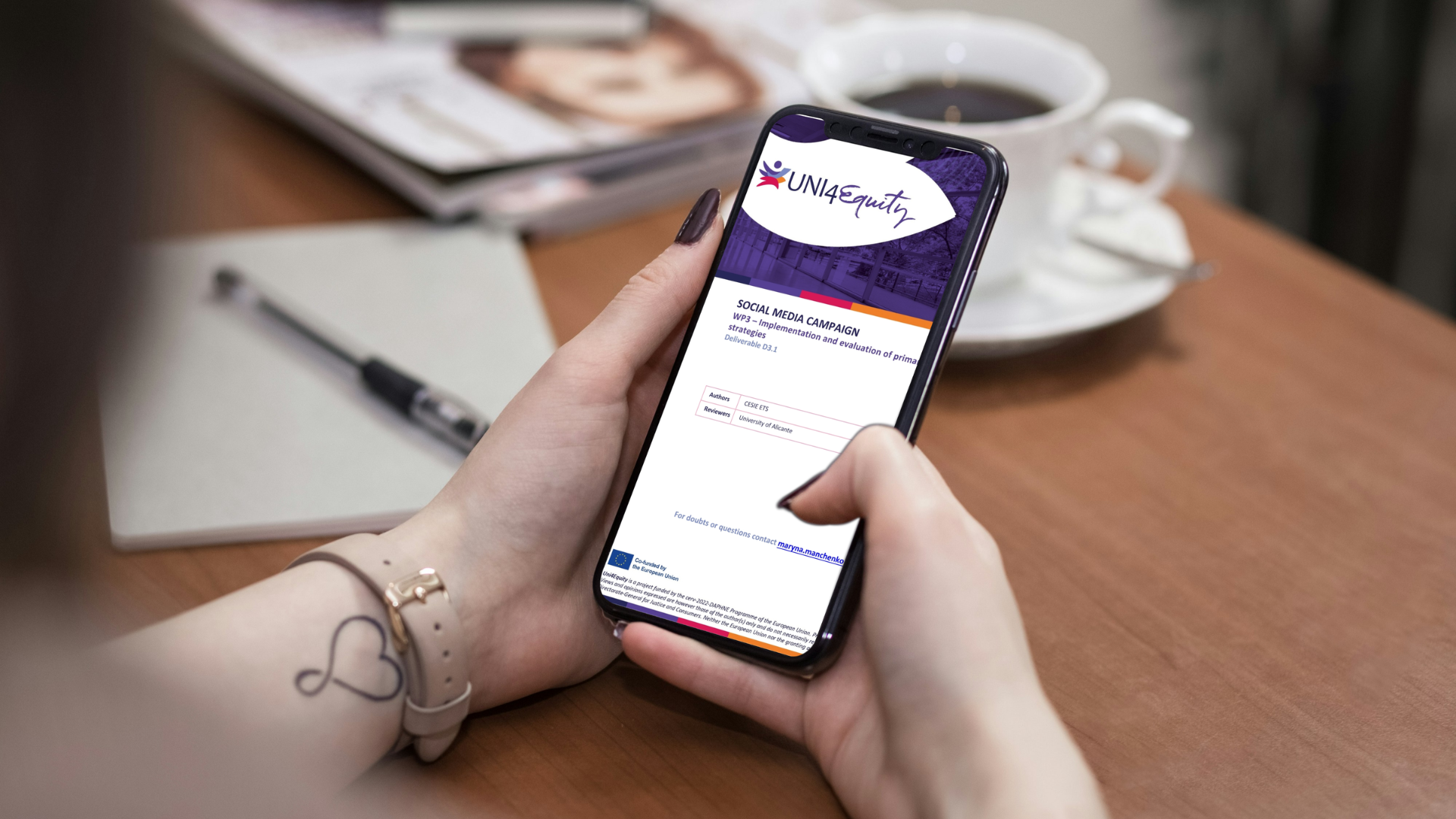
The product is a social media campaign developed within the Uni4Equity project, aimed at raising awareness about sexual harassment in universities and promoting its prevention.
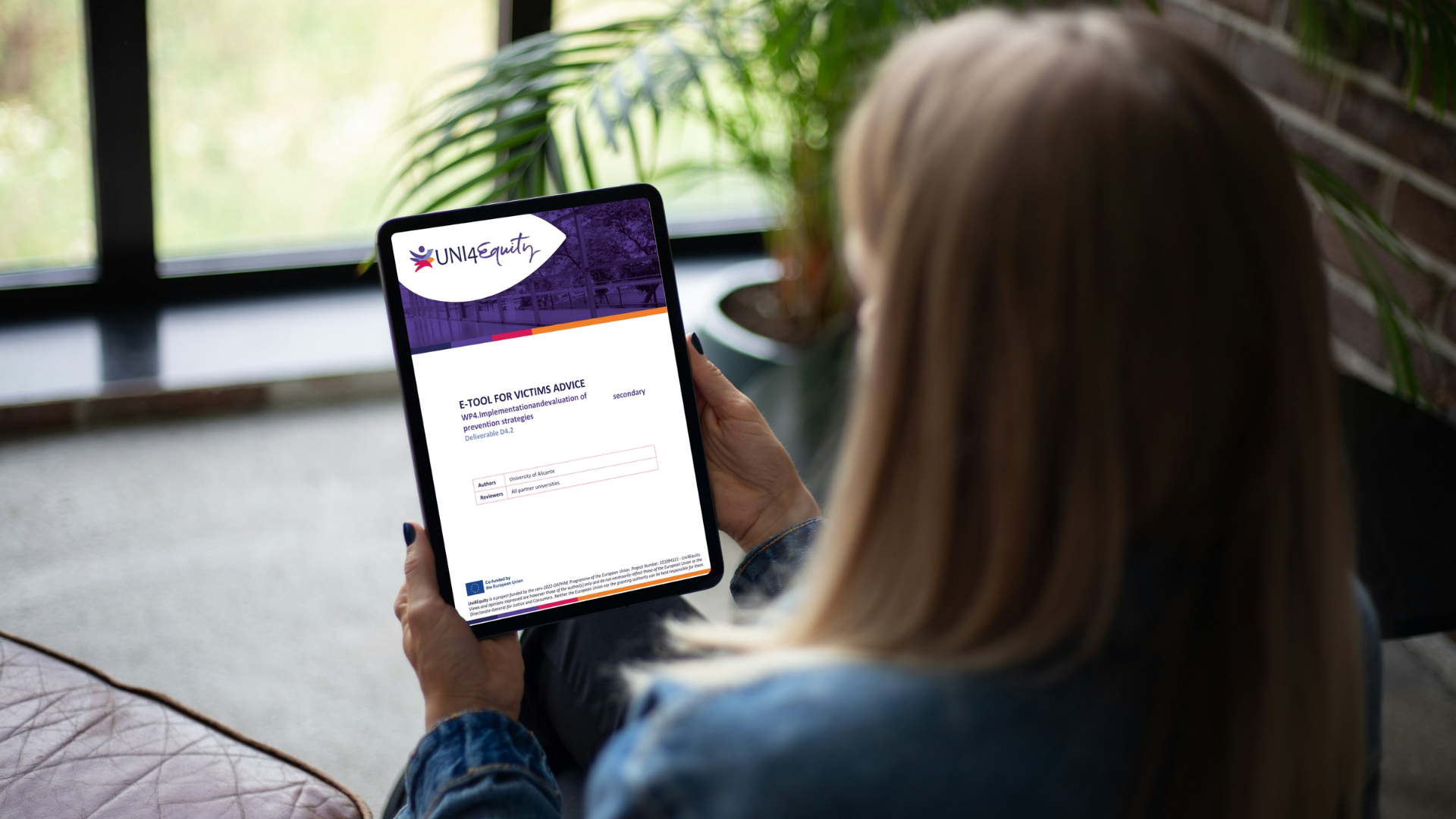
The report presents the development and improvement of digital tools (E-tools) to support potential victims and survivors of sexual harassment in partner universities.

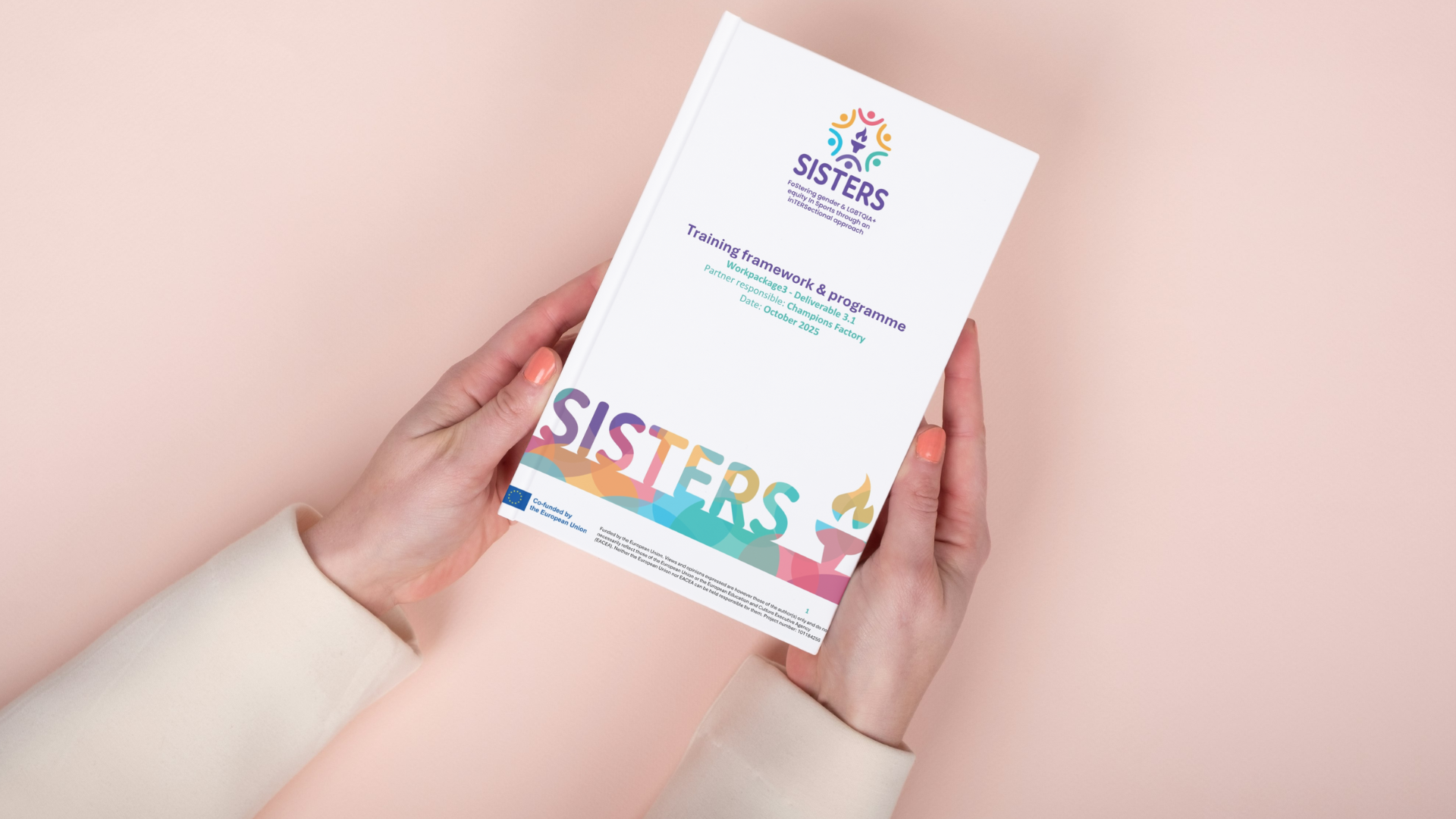
The handbook gathers analysis, good practices, and guidelines to promote the inclusion of women and LGBTQIA+ people in sports.
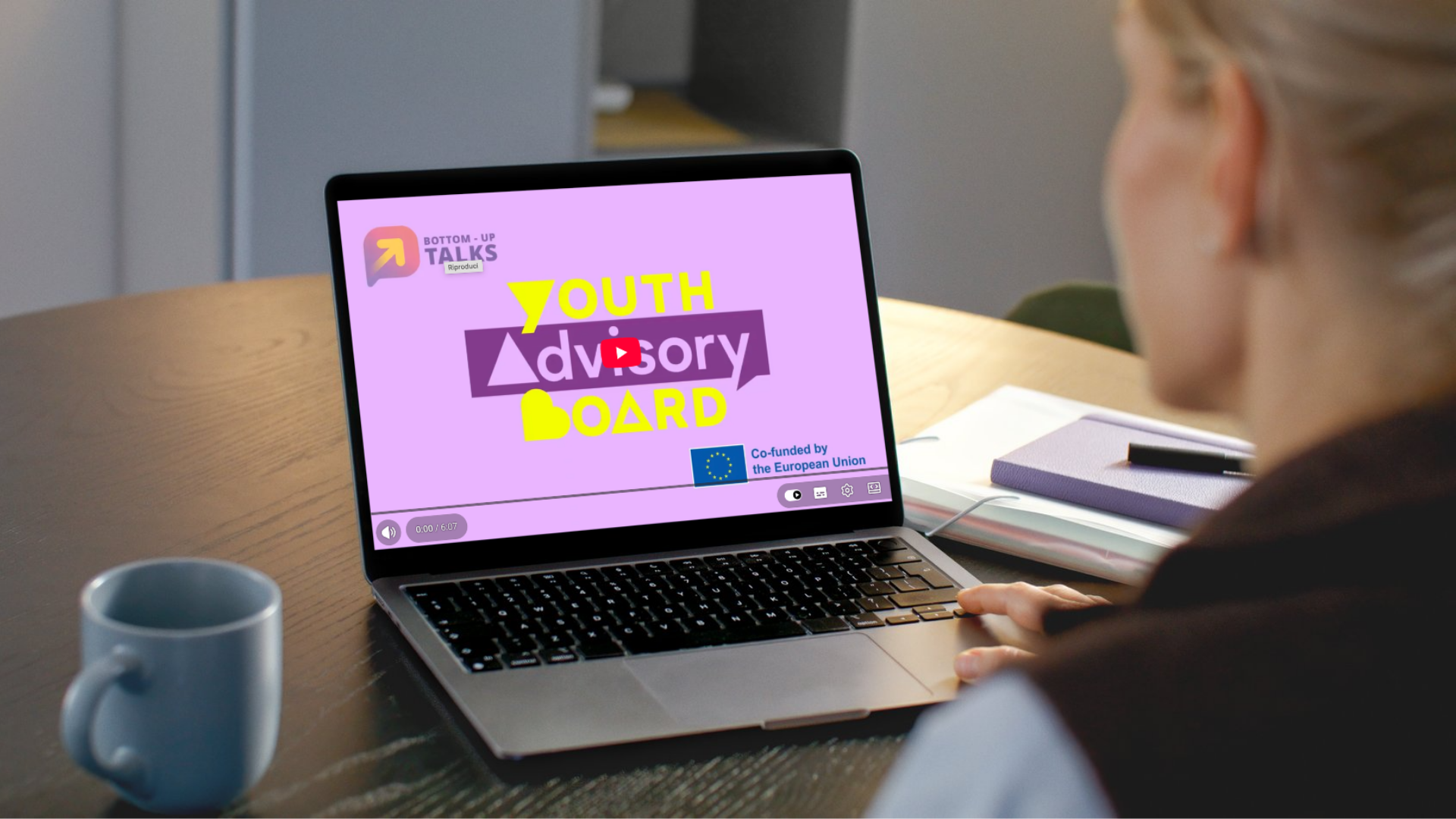
This video captures moments from the Bottom-Up Talks project, highlighting young people’s voices, ideas and perspectives on sexuality education, peer engagement and the prevention of gender-based violence.

This report presents a cross-country analysis of how gender stereotypes influence caregiving systems across partner countries.

This document presents a set of policy recommendations aimed at improving national responses to online violence, and especially OGBV, in Slovenia, Italy, and Croatia.
The Mapping the Gap Report examines the gender gap in long-term care. It analyses legal frameworks, policies, stereotypes, and barriers.
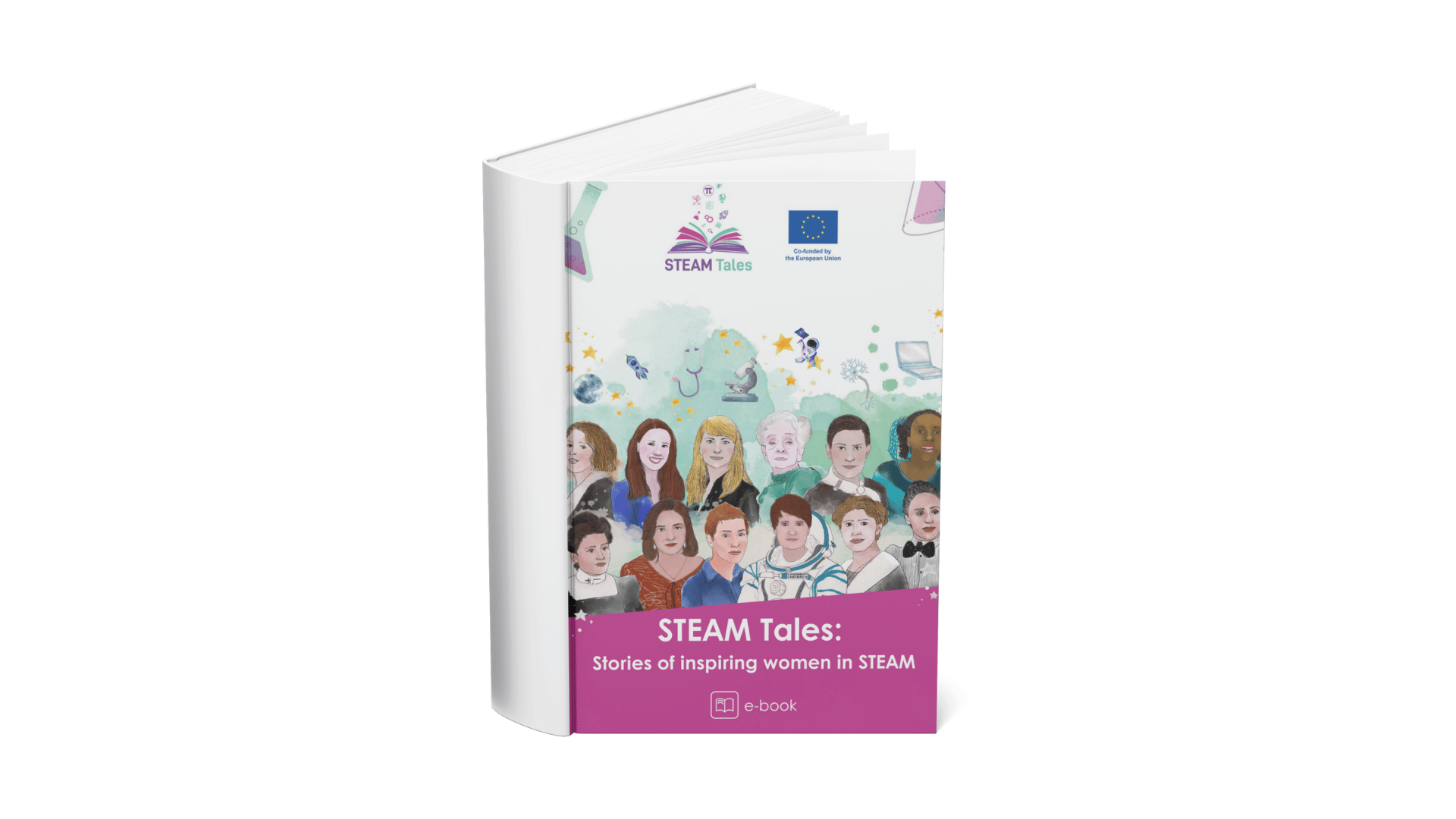
This e-book brings together 12 inspiring stories about extraordinary women who have made a difference in the world of STEM.
This protocol outlines the methodology, techniques employed, and instruments developed to evaluate the STEAM Tales research project and the materials produced during the project.
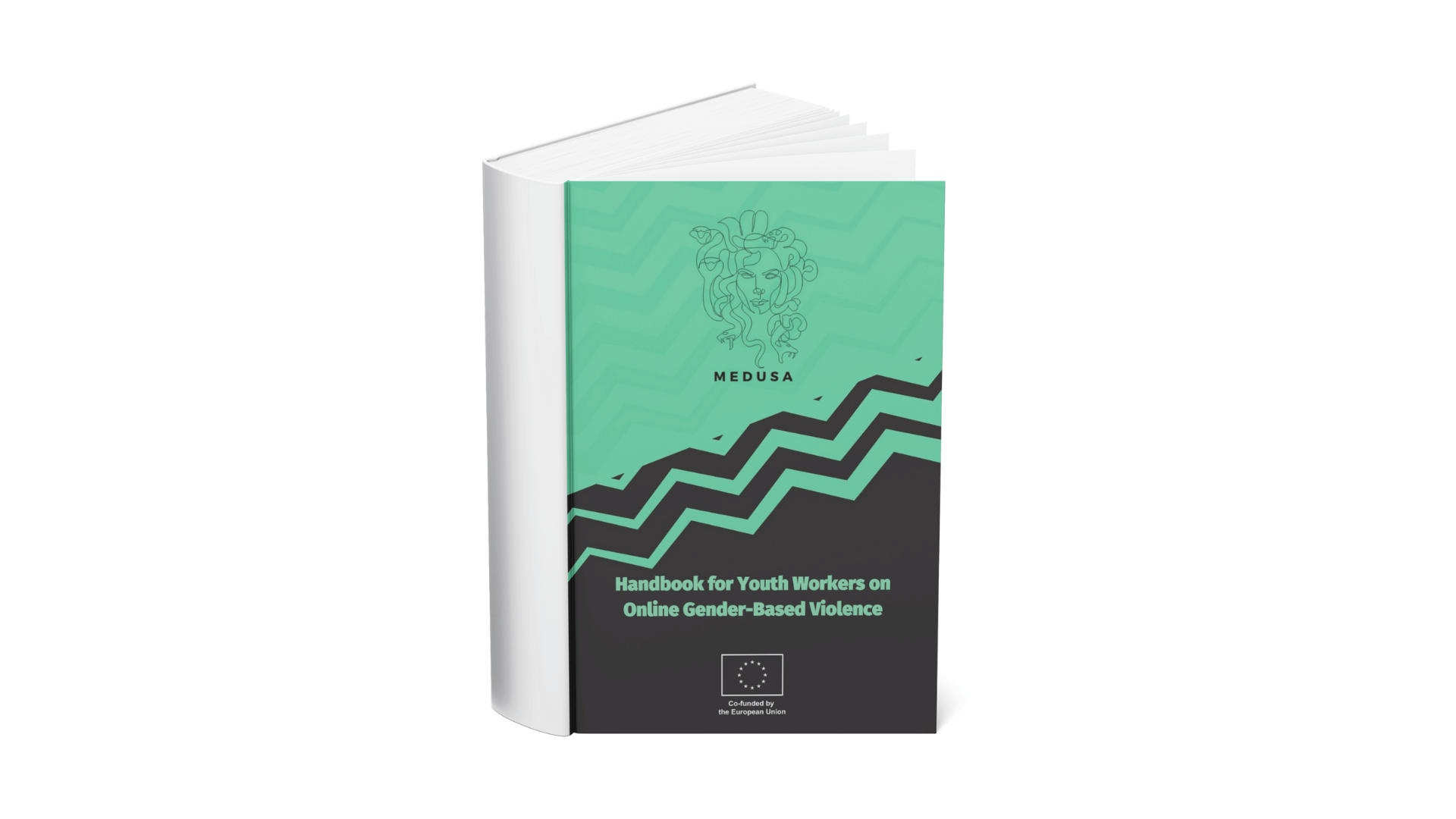
The purpose of the MEDUSA handbook is to support youth workers in recognizing, understanding, and effectively responding to online gender-based violence (OGBV).

This training module promotes critical awareness of conscious and unconscious biases affecting support for LGBTQI+ migrants and refugees.

The Sport GVP e-learning platform adopts a gamification-based approach and features various interactive scenarios and learning activities to explore the relationship between gender-based violence (GBV) and sport.

6 modules of 2 hours each, combining theory and practice to develop skills and promote safe, inclusive sporting environments.