SafeNet’s annual report outlines the project’s first year of implementation and highlights the work of 21 partner NGOs coordinated by the International Network Against Cyber Hate (INACH).



Contributes to the development of society, innovation and knowledge.

Help develop measures to counter violence and discrimination.

Supports adults in enhancing skills to promote their professional growth and participation in social and civic life.

Promotes quality and efficiency in education.

Supports and promotes educational activities, training courses and mobility projects aimed at young people.

CESIE ETS is a European center for studies and initiatives based in Palermo, Sicily.
SafeNet’s annual report outlines the project’s first year of implementation and highlights the work of 21 partner NGOs coordinated by the International Network Against Cyber Hate (INACH).
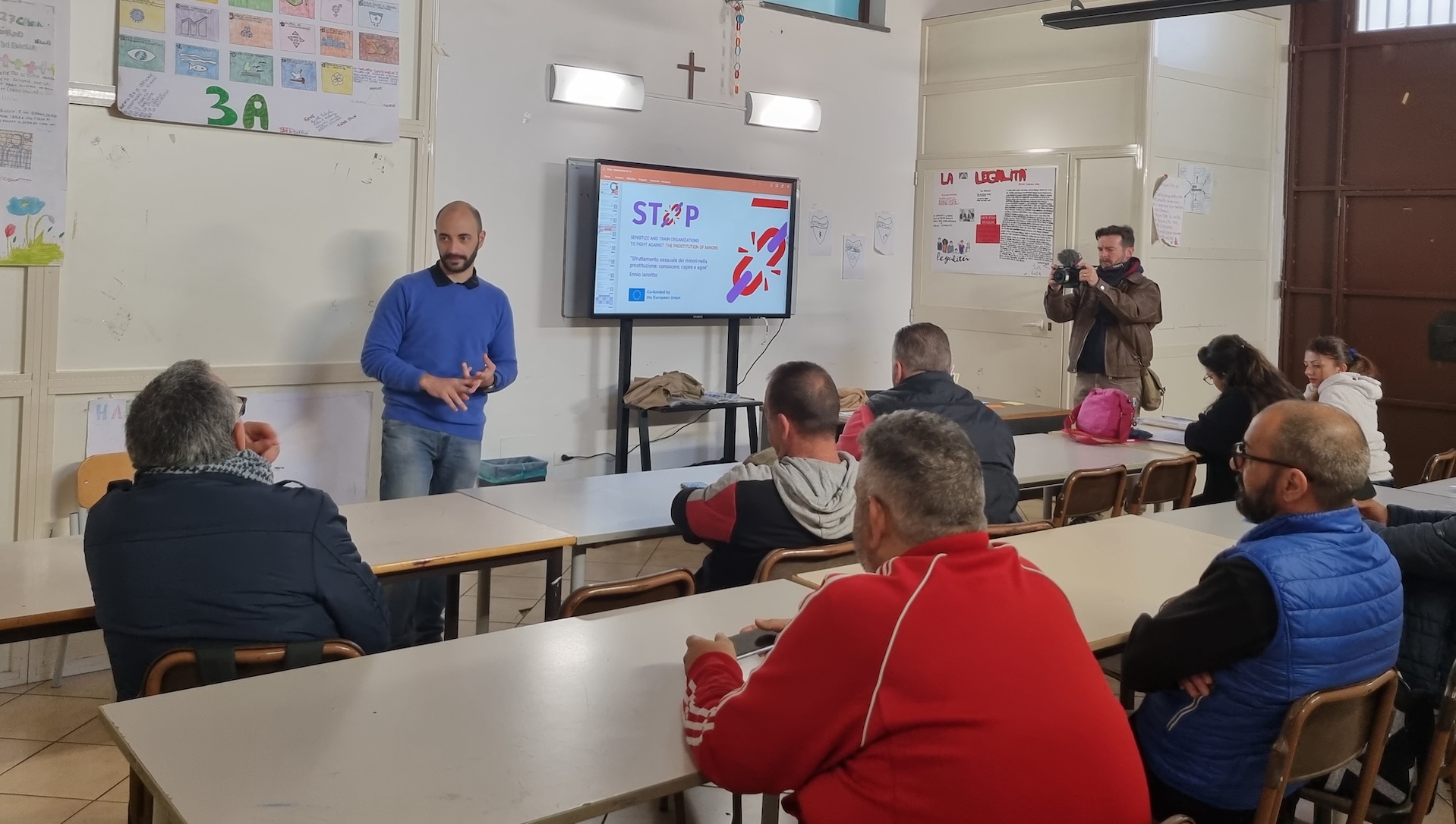
STOP helps prevent child abuse by offering tailor-made training and tools to educators and professionals to combat child sexual exploitation.

CESIE is looking for an ‘external evaluator’ for the BOTTOM-UP TALKS project.

This document presents the key discussions and outcomes of the international conference “Empowering Women and Girls through Safe Spaces,” held on March 20 in Athens, Greece.

Tackling teen dating violence and school-related gender-based violence among young people by supporting their mental health and equipping the whole school community with knowledge and skills on Comprehensive Sexuality Education.
This report assesses the impact of WGSS on women’s empowerment, social relations, and overall well-being, as well as identifying areas of challenge and improvement.
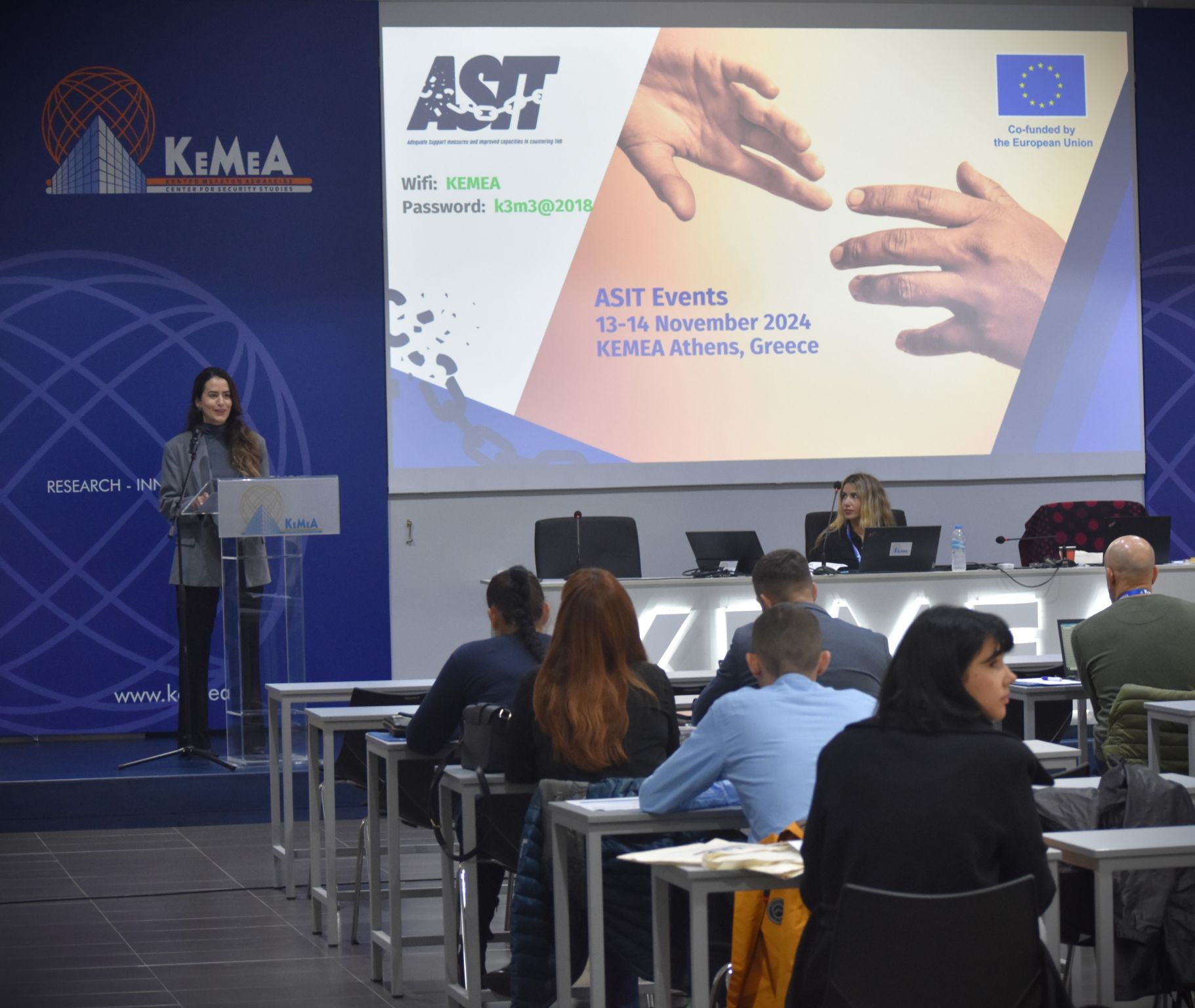
ASIT developed an innovative model for exchanging best practices among law enforcement agencies from Slovakia, Bulgaria, Greece, Spain and Poland. Through field meetings and strategy sharing, partners explored innovative tools, institutionalized protocols and effective collaborations with NGOs and local authorities.
This report analyses the situation of LGBTQI+ migrants and refugees in Italy, identifying key challenges related to legal frameworks, asylum procedures, reception conditions, and access to services.
8 March, International Women’s Day, is a time to reflect – not only on the progress made, but also on the inequalities that persist. Gender-based violence is still widespread and, without proper education, will continue.

Thirty years after the Beijing Conference, sexual harassment remains a widespread problem in European universities. Uni4Equity analyses the progress and remaining challenges, highlighting the need for effective policies, training and cultural change to ensure safe and inclusive academic environments.

This research analyzed patterns of online hate speech based on gender and gender identity. The study assessed the needs of online media, identified beneficial practices already in place, and proposed strategies to improve the detection and management of hate speech comments.

This research, carried out through a collaboration between organizations from Cyprus, France, Greece, and Italy, analyzed comments in the sections of prominent online media to identify patterns of misogynistic and transphobic hate speech.

Research to investigate the existing national legal frameworks, including the incorporated European and international legislation, in the participating countries regarding online hate speech based on gender and gender identity.

The present document, produced as part of CESAGRAM, provides policy recommendations to address gaps in child protection frameworks. It aims to guide policymakers in implementing stronger measures to protect children online, combat grooming, and support victims of child sexual abuse.

The manifesto promotes sexual and affective education as a primary prevention measure of gender-based violence and discriminatory phenomena, and as a tool to protect sexual and reproductive health.