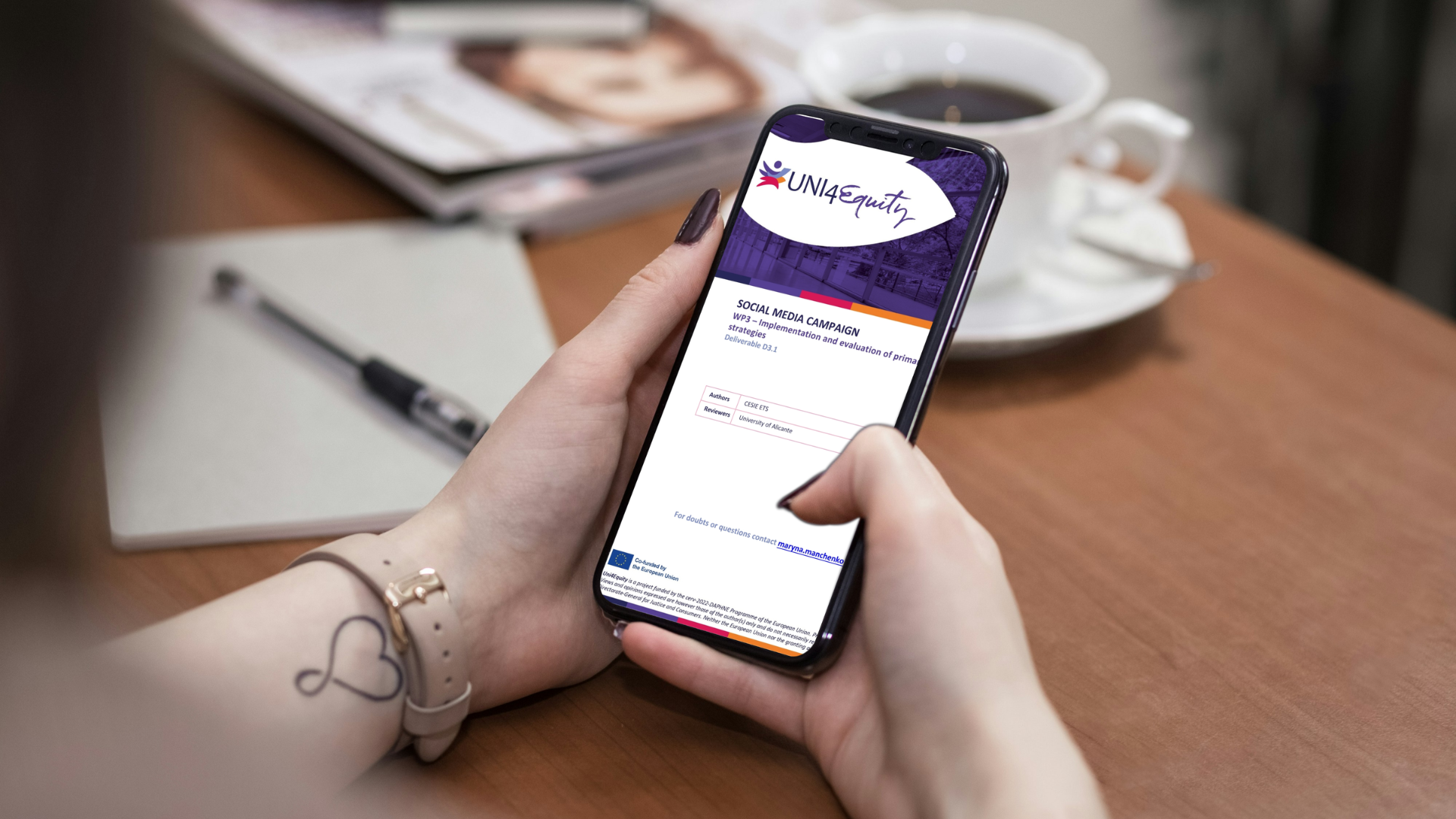
The product is a social media campaign developed within the Uni4Equity project, aimed at raising awareness about sexual harassment in universities and promoting its prevention.


Contributes to the development of society, innovation and knowledge.

Help develop measures to counter violence and discrimination.

Supports adults in enhancing skills to promote their professional growth and participation in social and civic life.

Promotes quality and efficiency in education.

Supports and promotes educational activities, training courses and mobility projects aimed at young people.

CESIE ETS is a European center for studies and initiatives based in Palermo, Sicily.
The product is a social media campaign developed within the Uni4Equity project, aimed at raising awareness about sexual harassment in universities and promoting its prevention.
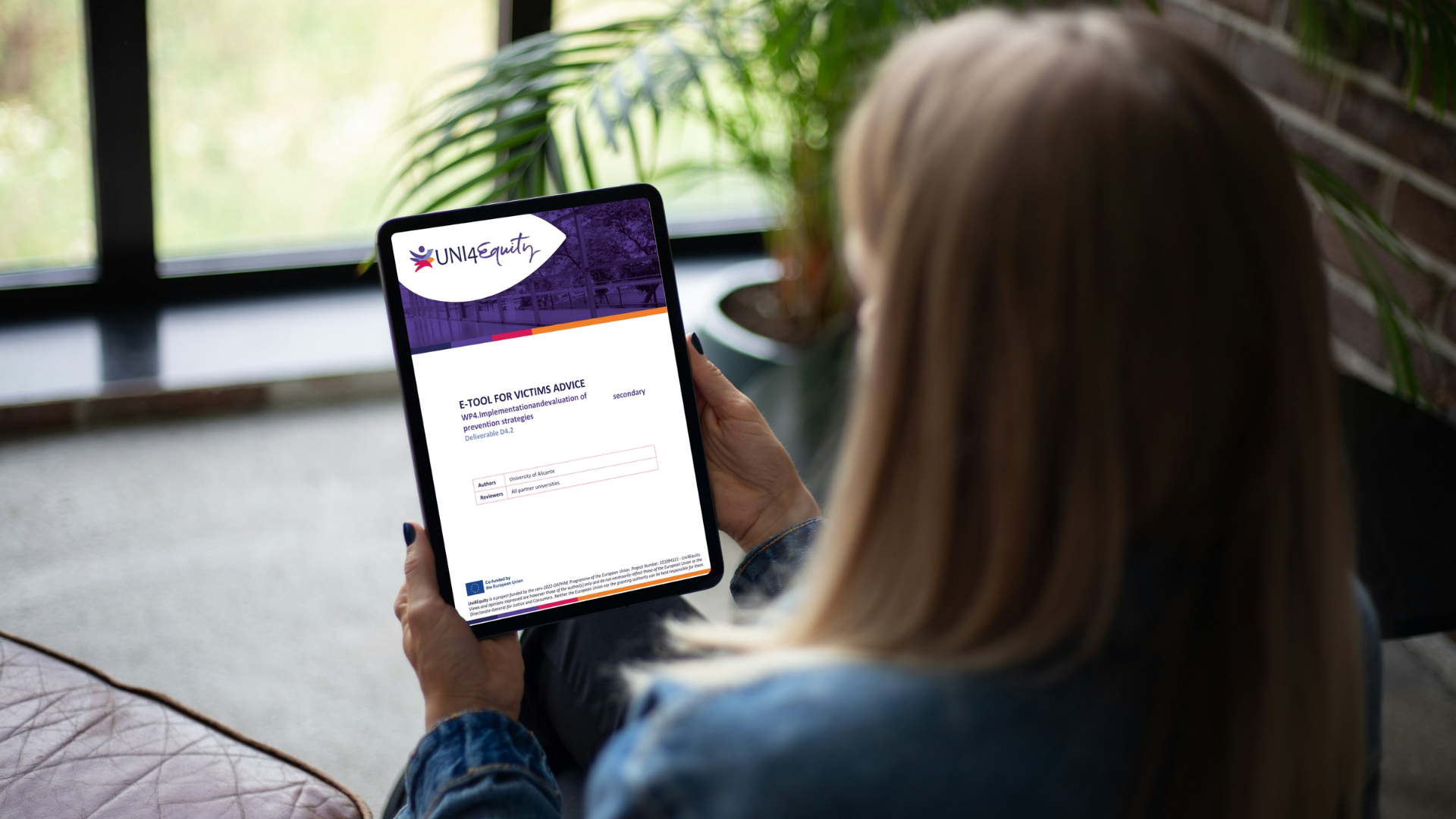
The report presents the development and improvement of digital tools (E-tools) to support potential victims and survivors of sexual harassment in partner universities.

The handbook gathers analysis, good practices, and guidelines to promote the inclusion of women and LGBTQIA+ people in sports.
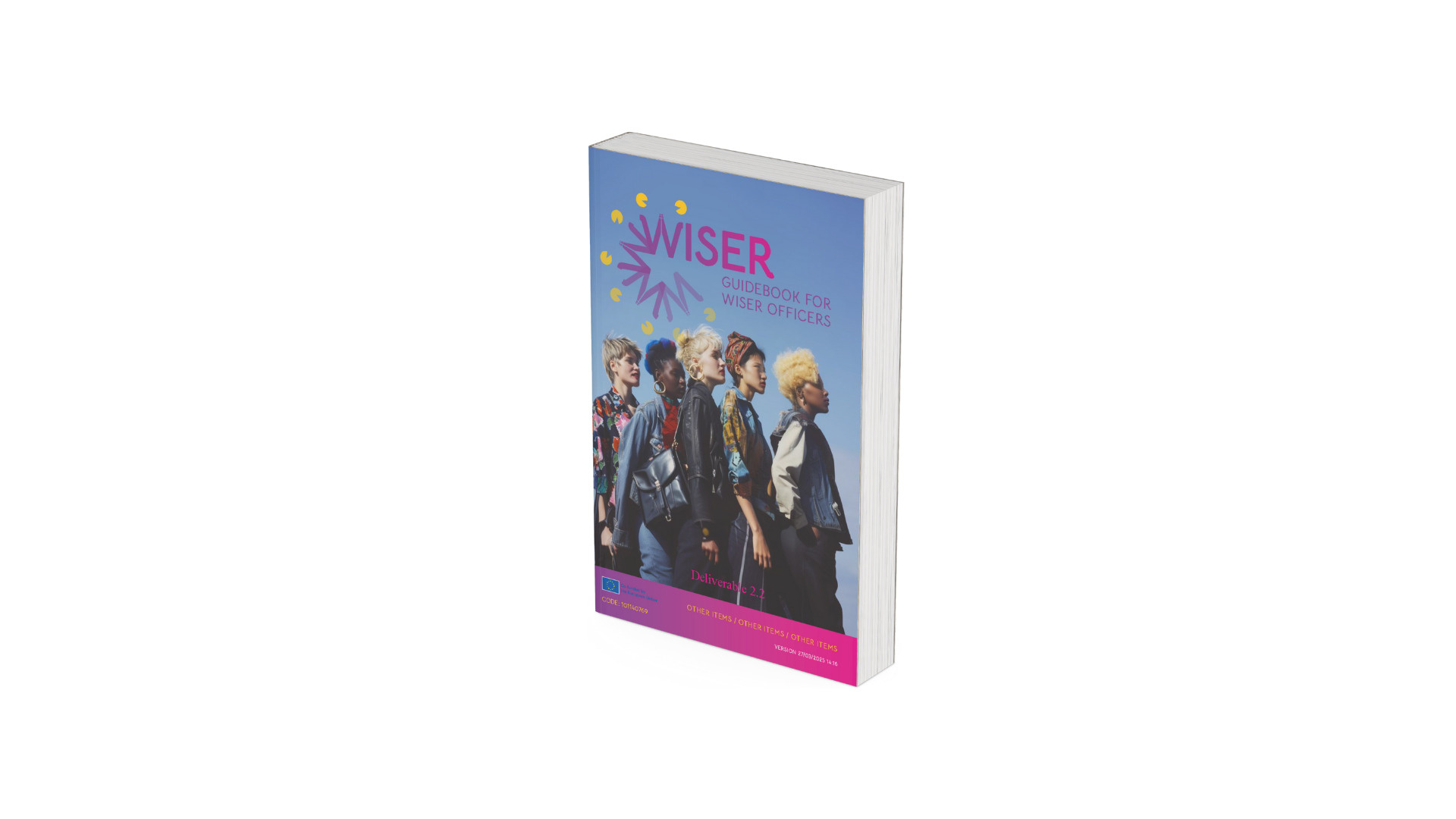
Guidebook offering practical steps to establish and run WISER Hubs, building an active collaboration with women in migration contexts.
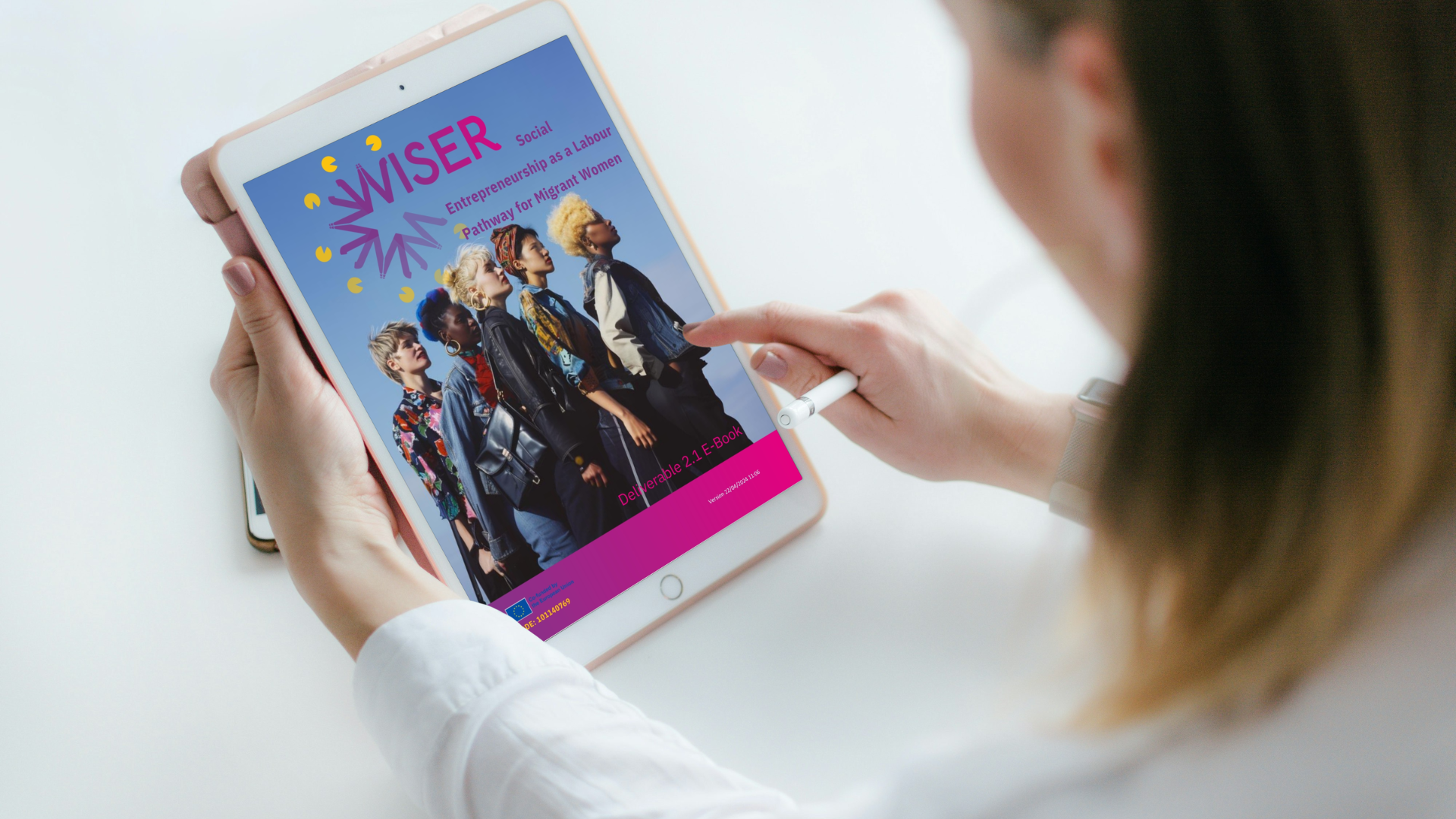
This e-book provides a set of tools to promote entrepreneurship as a path to employment, in collaboration with women in migrant contexts.

This report presents a cross-country analysis of how gender stereotypes influence caregiving systems across partner countries.
The Mapping the Gap Report examines the gender gap in long-term care. It analyses legal frameworks, policies, stereotypes, and barriers.
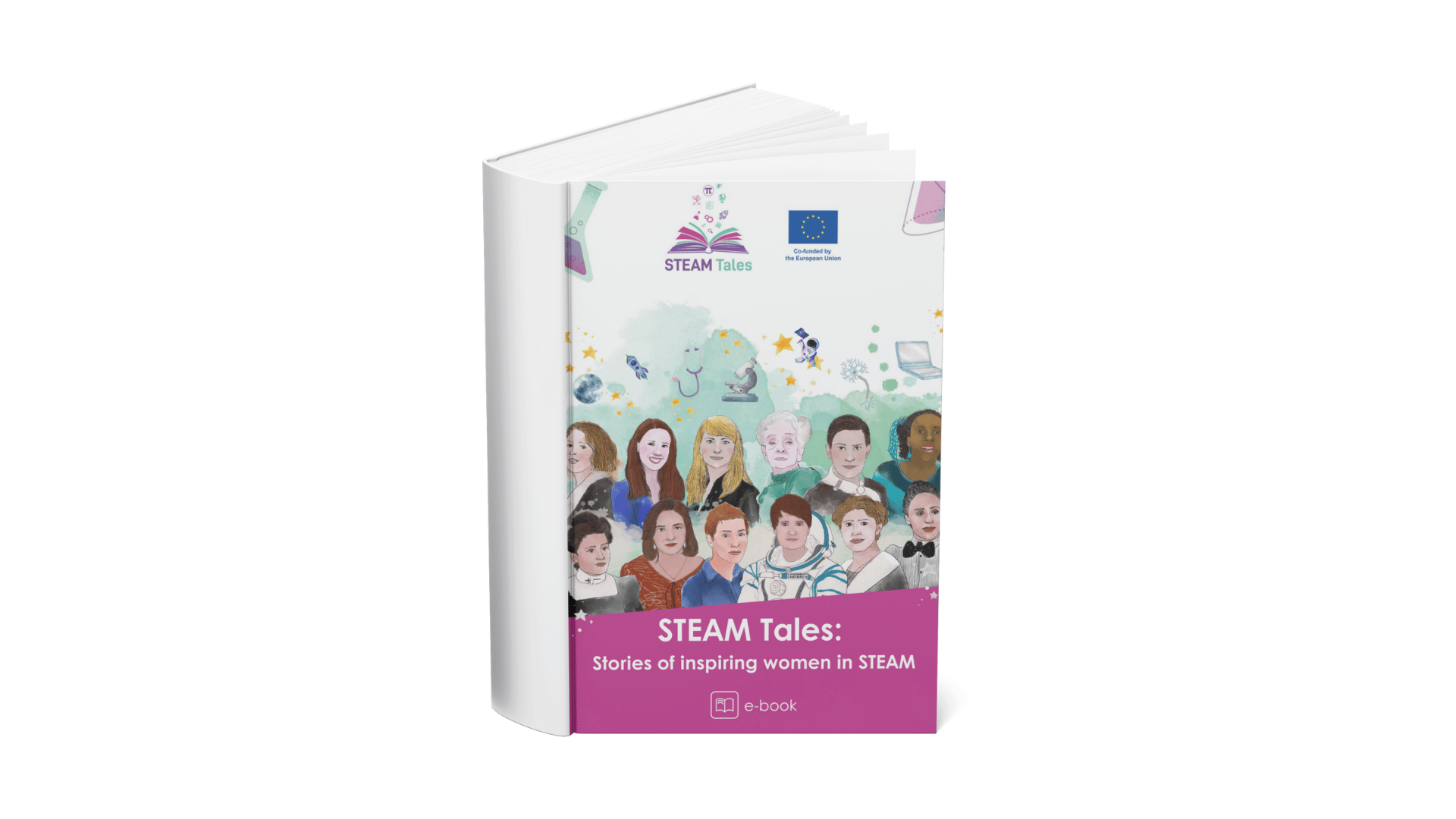
This e-book brings together 12 inspiring stories about extraordinary women who have made a difference in the world of STEM.

The Sport GVP e-learning platform adopts a gamification-based approach and features various interactive scenarios and learning activities to explore the relationship between gender-based violence (GBV) and sport.
This document presents the SafeNet factsheets, the result of monitoring 21,470 cases of online hate speech and the responses of the platforms.
This report presents a comprehensive analysis of hate trends targeting various communities, including antisemitic, anti-Muslim, racist, xenophobic, anti-Roma, anti-LGBTQIA+, and anti-Gypsy hate.

This document presents the key discussions and outcomes of the international conference “Empowering Women and Girls through Safe Spaces,” held on March 20 in Athens, Greece.

This research analyzed patterns of online hate speech based on gender and gender identity. The study assessed the needs of online media, identified beneficial practices already in place, and proposed strategies to improve the detection and management of hate speech comments.

This research, carried out through a collaboration between organizations from Cyprus, France, Greece, and Italy, analyzed comments in the sections of prominent online media to identify patterns of misogynistic and transphobic hate speech.

Research to investigate the existing national legal frameworks, including the incorporated European and international legislation, in the participating countries regarding online hate speech based on gender and gender identity.