“I believe in the power of the voice of women”
M. Yousafzai, Premio Nobel per la Pace 2014
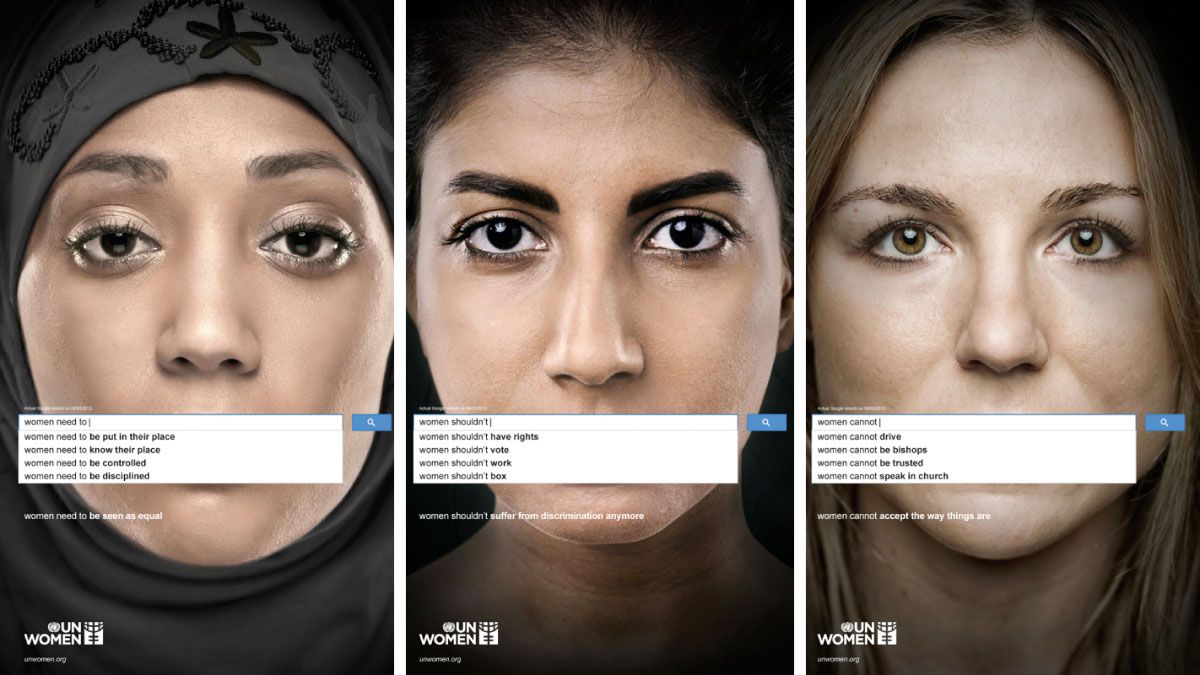
On November 25th, the International Day for the Elimination of Violence Against Women is celebrated. This year the celebration falls within the framework of the UNITE To End Violence Against Women call for action, for a 16-day campaign that will last until December 10th, i.e. the International Human Rights Day. The campaign, titled “Orange the World”- a color chosen as it symbolizes a brighter future without violence – calls for a wide range of actions, in order to emphasize the role of individual and community activism in tackling violence against women and in preventing it.
 Prevention is, by all means, the topic chosen for the International Day in 2015, and its importance will be highlighted in the launching of the UN Framework on Preventing Violence Against Women, at the UN Headquarters in New York.
In accordance to the 1993 Declaration of the Elimination of Violence Against Women, within which art. 1 describes the term violence as “any act of gender-based violence that results in physical, sexual or psychological harm or suffering to women, including threats of such acts, coercion or arbitrary deprivation of liberty, whether occurring in public or private life.”, once again the celebration aims at raising awareness about the serious and continuing issue of gender-based violence, a phenomenon which shows no sign of abating, in spite of the significant political and social achievements related to gender equality.
Violence against women and girls stands still: 1 out of 3 women worldwide have experienced physical or sexual violence, in most of the cases by an intimate partner. Sexual violence encompasses: sexual harassment, rape, sexual abuse of children, and forced marriage; the latter especially includes child marriage, an increasing phenomenon to which about 700 million women have, up to now, been subjected.
In underdeveloped and developing countries, the issue is even more serious: some examples are the Female Genital Mutilation (FGM), a practice employed in 29 countries, to which 133 million of girls and women have undergone; honor killings; dowry deaths; acid burnings; stoning; conviction of raped girls; job or social gender-based discrimination. And finally, human trafficking and sexual exploitation, an increasing trend which affects 4.5 millions of people, 98% of which are women.
CESIE joins the call for the Elimination of Violence Against Women, especially in carrying out projects which aim at empowering women, and promoting positive values as respect and equality:
- ACTION FOR CHANGE – Achieving Resilience, Recovery and Choices for women and children following domestic violence, aiming to empower women and children victims of domestic violence, by developing specialized services;
- EQUALITY for CHANGE – Gender equality through global capacity building, aiming to increase the role of young women in the transnational labour market, through non-formal learning, and to improve women’s understanding of intercultural dialogue;
- REPLACE 2 – Researching Female Genital Mutilation Intervention Programmes Linked to African Communities in the EU, aiming to improve the well-being of individuals and communities affected by FGM, through capacity building and knowledge transfer to the communities involved in order for them to acquire new skills to address FGM.
Sources:
- www.unwomen.org
- www.unwomen.org/en/digital-library/multimedia/2015/11/infographic-violence-against-women
- www.un.org/documents/ga/res/48/a48r104.htm
- www.un.org/en/women/endviolence/index.shtml
- endviolence.un.org/pdf/unite_framework_en.pdf
- www.amnestyusa.org/our-work/issues/women-s-rights/violence-against-women/violence-against-women-information
- www.who.int/mediacentre/factsheets/fs239/en