Third newsletter of the project in which the final conclusions of the training activities conducted during the life of INTERFACE are discussed.


Contributes to the development of society, innovation and knowledge.

Help develop measures to counter violence and discrimination.

Supports adults in enhancing skills to promote their professional growth and participation in social and civic life.

Promotes quality and efficiency in education.

Supports and promotes educational activities, training courses and mobility projects aimed at young people.

CESIE ETS is a European center for studies and initiatives based in Palermo, Sicily.
Third newsletter of the project in which the final conclusions of the training activities conducted during the life of INTERFACE are discussed.

This publication is one of the intellectual outputs of TABLIO on the topic of classroom differentiation and inclusion in general and classroom differentiation with mobile devices in particular.

The report aims at giving a final overview about what has been achieved thanks to the project’s action and sharing final data and results about the households involved.
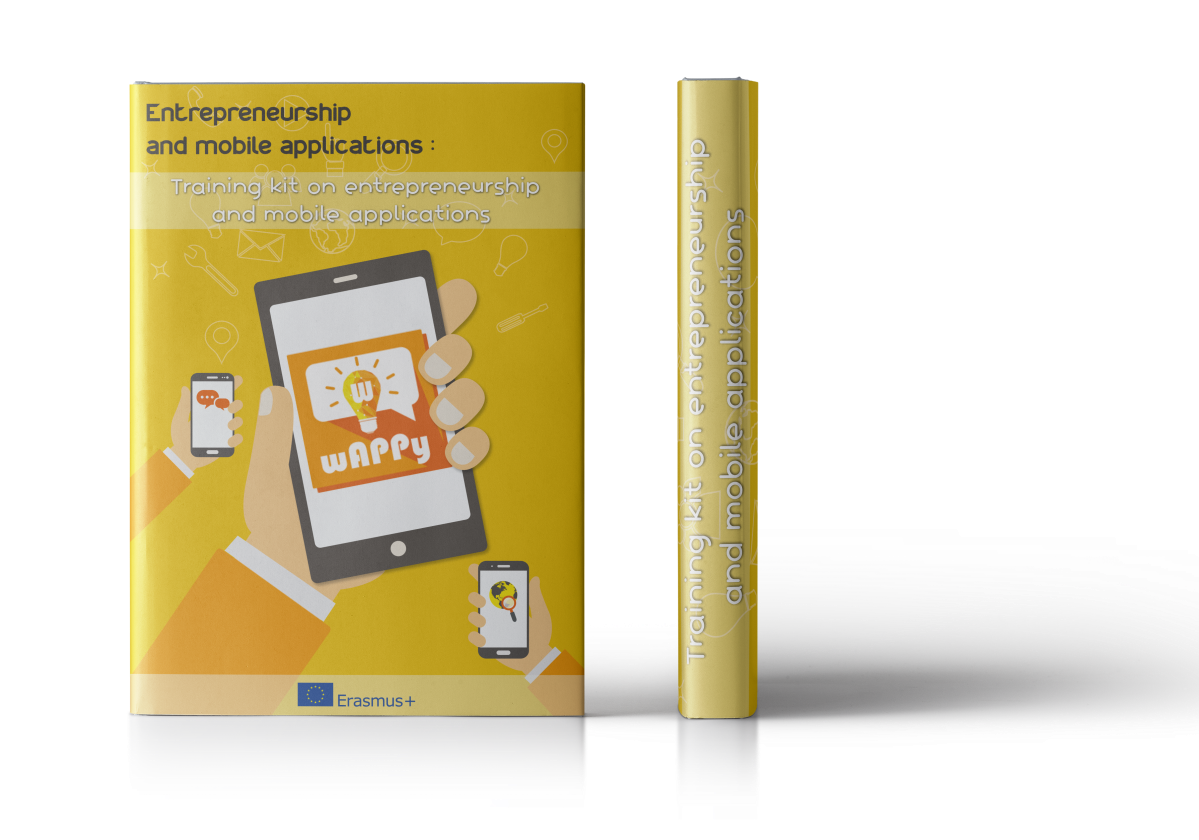
Training kit on entrepreneurship and mobile applications developed and tested within the WAPPY! project.

The main results of WAPPY research phase give a short overview on youth, entrepreneurship and mobile applications in the partner countries.

The report updates on quantitative and qualitative results on energy-saving performed by involved households across the four project’s cities. Specifically, it describes the process of training to support households in carry out energy saving actions at domestic...

The report provides proposals of action that we believe can contribute to a higher participation of young women in STEM (Science, Technology, Engineering, and Math) fields of study (especially those related to aeronautics) and to increase employability rates of women within the AI. By increasing female participation in these fields, we also hope the project’s results can lead to improvements in the capacity of innovation and growth of the European enterprises involved in the AI and related sectors.

The purpose of this document is to describe the findings from the analysis of the current situation concerning women’s participation in scientific studies and in the Aeronautic Industry, from each country included in the consortium, but also other EU countries have been considered.

The “research report on the current state of Language Learning MOOCs worldwide” is the 2nd intellectual output produced by the LangMOOC project team.

The LangMOOC toolkit is a collaborative product developed by the LangMOOCs project consortium, addressed to language teachers and learners, system administrators, service providers, educators and educational policy-makers for languages schools and training centers to use Open Educational Resources and MOOCs for language learning. This toolkit, divided in 6 chapters, is a guideline that contains the core elements of a Massive Open Online Course and Interactive Language Learning Environment.
This report presents and analyses the findings of the needs assessment carried out in the three countries participating in the project, in order to determine the current situation and the needs of the project’s target groups.

[su_heading size="20"]Step by Step: Activity Report 2[/su_heading] The report updates about the progress of the project in terms of citizens’ involvement about energy saving and responsible consumption. You will find the description of the activities proposed and the...
[su_heading size="20"]FIERE - Instructor’s Handbook[/su_heading] The FIERE (Furthering Innovative Entrepreneurial Regions of Europe) project aimed to support local communities and regional economies by specifically focusing on developing skills among organisations’...

L’obiettivo dei FIERE Casi studi è di dimostrare come organizzazioni regionali selezionate in vari paesi hanno applicato modi “innovativi” e “imprenditoriali” per migliorare la loro performance.
[su_heading size="20"]LangMOOCs - Research report on MOOCs pedagogical framework[/su_heading] Language literacy is an essential life skill in the 21st century. It is a fact that learning a foreign language is a good way to improve brain function and acquire social...