Read the newsletter of YOPEVA Entrepreneur.


Contributes to the development of society, innovation and knowledge.

Help develop measures to counter violence and discrimination.

Supports adults in enhancing skills to promote their professional growth and participation in social and civic life.

Promotes quality and efficiency in education.

Supports and promotes educational activities, training courses and mobility projects aimed at young people.

CESIE ETS is a European center for studies and initiatives based in Palermo, Sicily.
Read the newsletter of YOPEVA Entrepreneur.
The Guide presents a practical support for the creation of partnerships between VET institutions and companies in the implementation of the apprenticeship model designed by the ADDET project. The main aim is to promote partnerships between VET schools and enterprises.
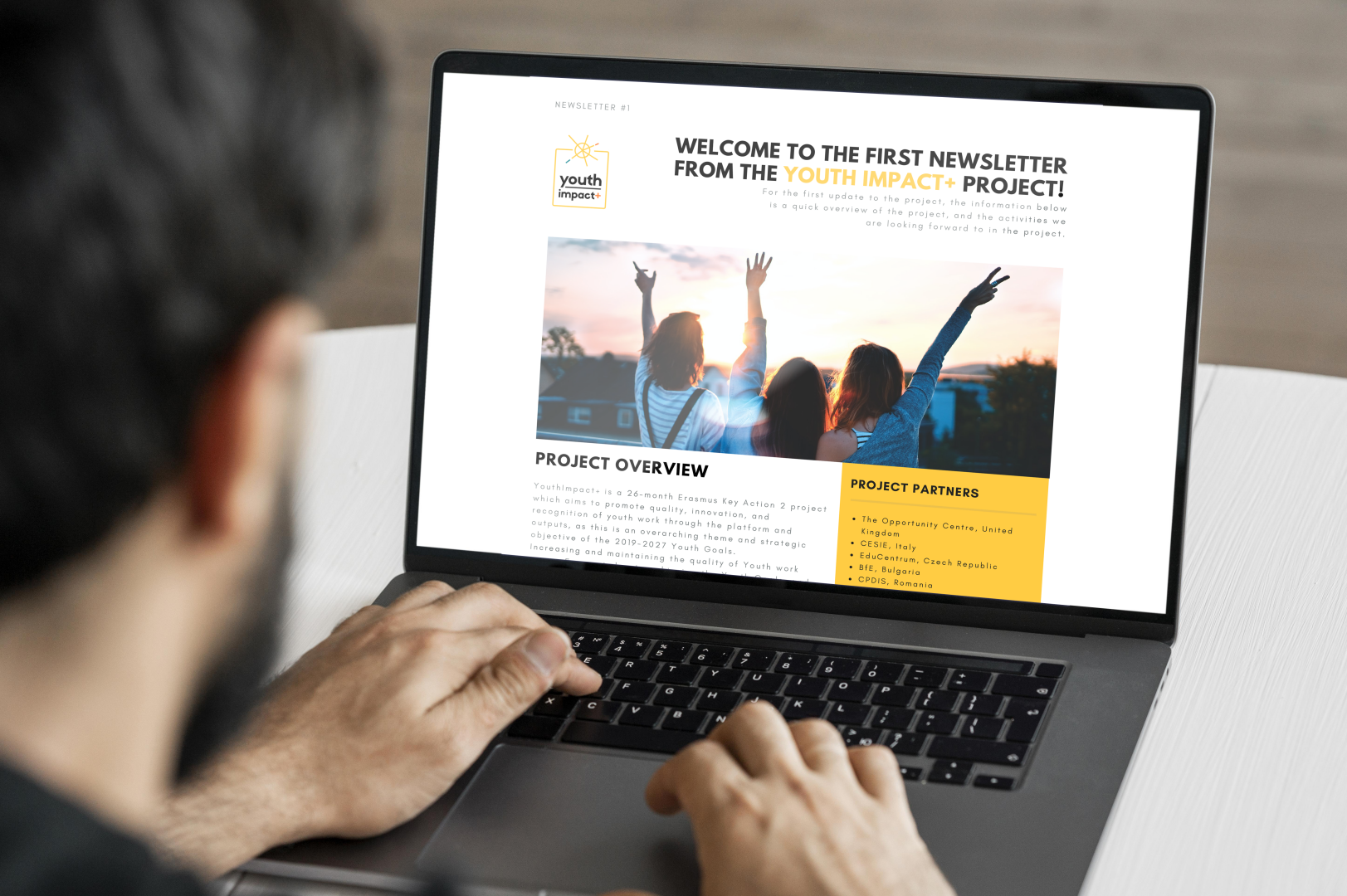
Read the YouthImpact+ project newsletters.

This guide supports teachers to develop supportive learning environments that focus on the voices and needs of all students and explore possibilities for informed career choices.
The SLACC Compilation of climate myths consists of 33 of the most common climate myths along with the real explanations debunking them.

This guide makes it possible for tachers to refletc on their workplace practice and plan possible changes.

This guide provides information about how the world of work has changed in the last few years and the implications this change might have on the career choices that will be open to your child.
This manual aims to provide a comprehensive guide for the development and implementation of the apprenticeship programme created by the ADDET project.
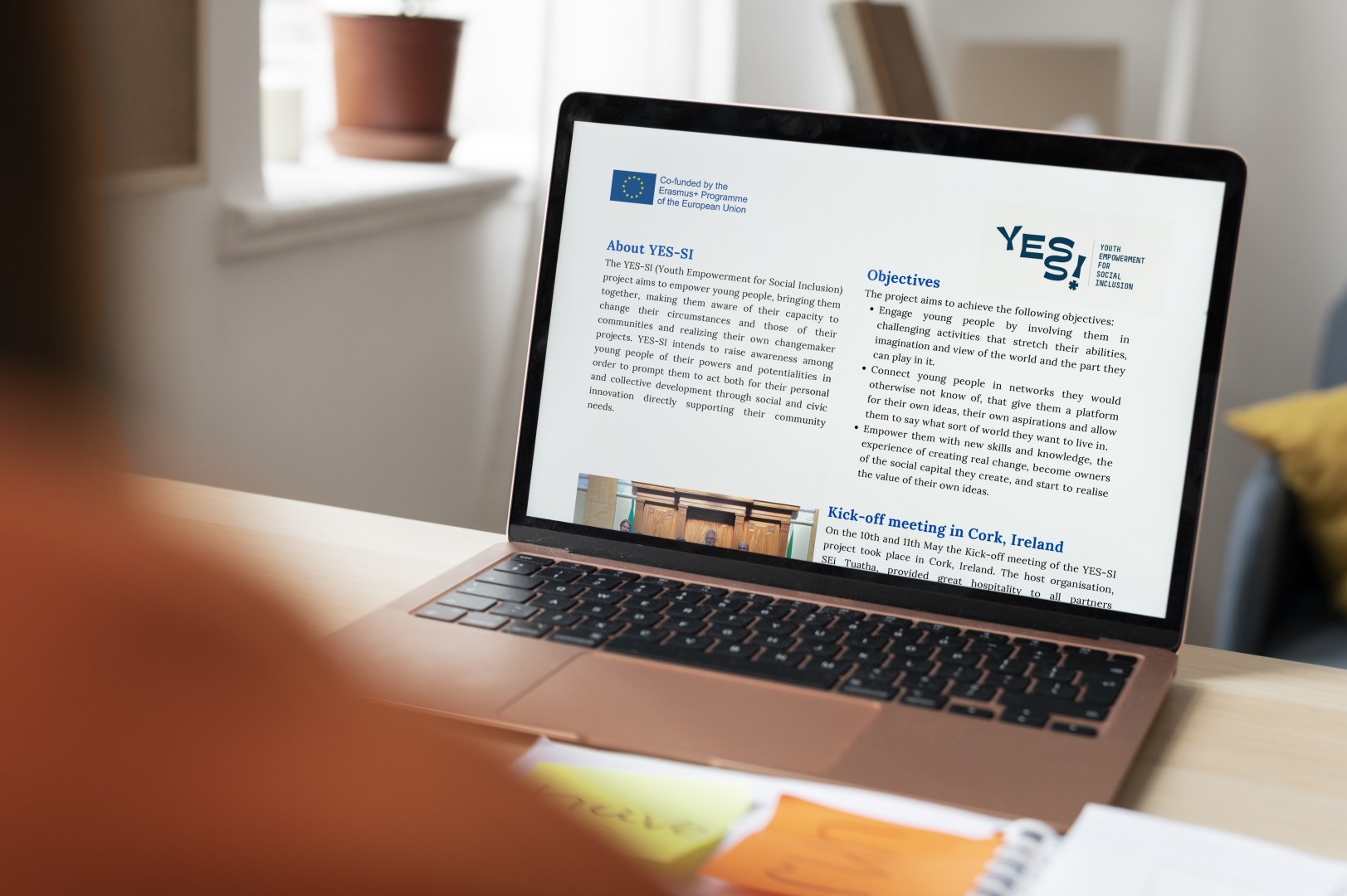
Read the YES-SI project newsletters.
The handbook offers a guide to support teachers with the challenges they might face in such situations and introduces them to a set of approaches and best practices developed specifically in and for the context of the multicultural classroom.
The report addresses the methodology used in the MiCREATE project fieldwork.
This report shows that people in all partner countries are aware of the seriousness that climate change and the related issues entail.
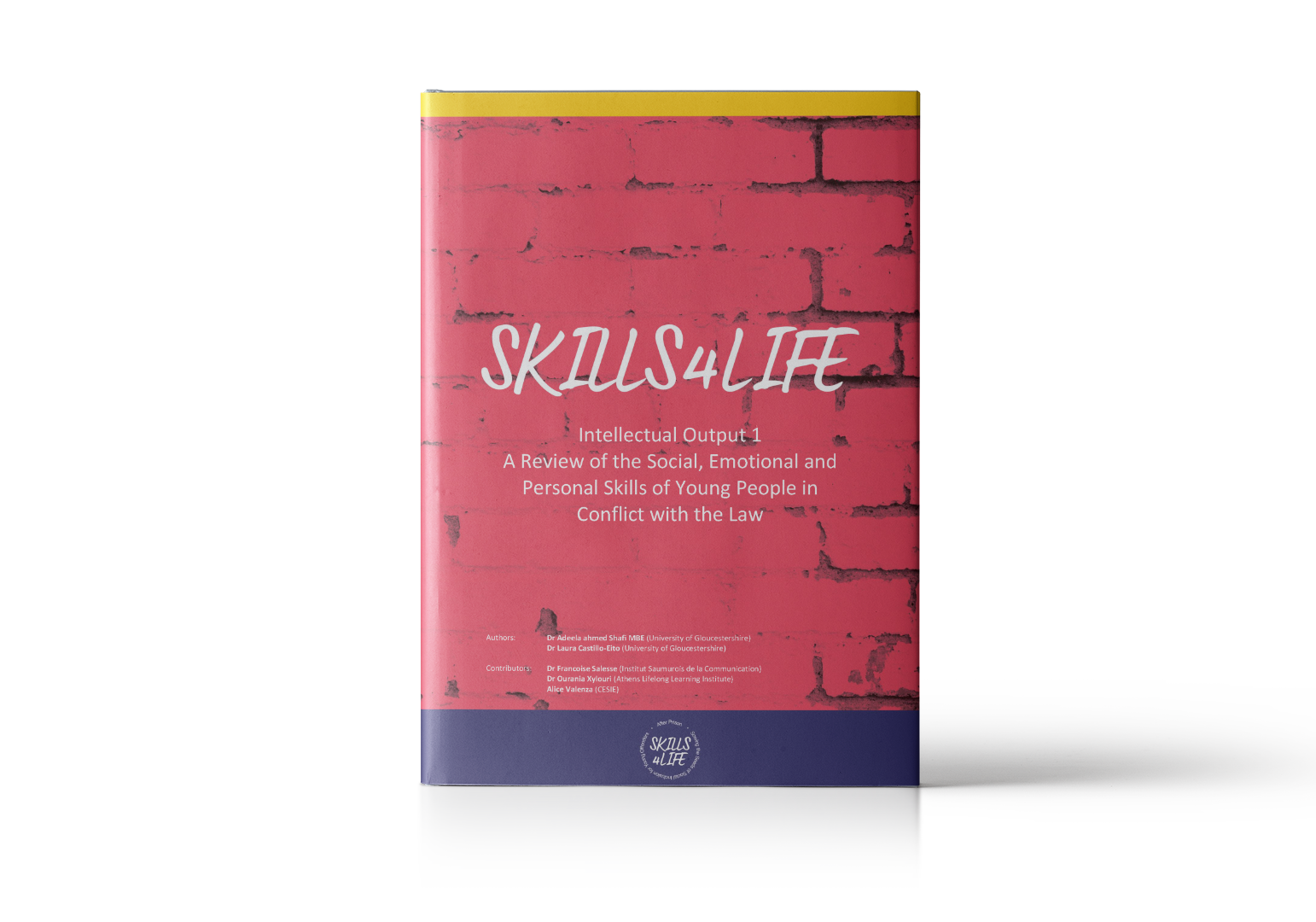
This document is a primary and secondary research document on the social, emotional and personal skills of young people in conflict with the law based on data collected in 4 countries: UK, Italy, Greece and France.

To confirm and amend important clues gained through focus groups and qualitative interviews, WORK4PSY partnership conducted a survey to assess the learning needs of the four project’s target groups.

This fact-checking list refers to the researches done in the SLACC partner’s Countries.