Report on studying European partner universities’ financial autonomy, through training and workshops, enabling Kyrgyz universities to compare European strategies with their own experiences to enhance financial autonomy.


Contributes to the development of society, innovation and knowledge.

Help develop measures to counter violence and discrimination.

Supports adults in enhancing skills to promote their professional growth and participation in social and civic life.

Promotes quality and efficiency in education.

Supports and promotes educational activities, training courses and mobility projects aimed at young people.

CESIE ETS is a European center for studies and initiatives based in Palermo, Sicily.
Report on studying European partner universities’ financial autonomy, through training and workshops, enabling Kyrgyz universities to compare European strategies with their own experiences to enhance financial autonomy.

Report on training needs analysis based on surveys, interviews, and focus groups with Kyrgyz universities’ staff. It identifies specific training needs and outlines a Skills Development Program with targeted workshops.

Development of a model for the financial autonomy of Kyrgyz universities, including financial management, internal processes, and public administration mechanisms.

The report on the analysis of the financial autonomy of universities in the Kyrgyz Republic examines the situation regarding the adoption of financial autonomy in the country’s universities.

The document outlines a perspective and model for the development and promotion of university financial autonomy, including relevant indicators.

The SCIREARLY project has identified effective practices to combat school dropout and improve inclusive learning, based on studies in 9 European countries. The developed Toolkit offers strategies on teaching methods, school-family-community collaboration, and student well-being, promoting fair and participatory learning environments. The adoption of these strategies has shown concrete benefits, including improved academic performance and greater engagement of students and families.
This toolkit entitled “Successful Learning Strategies Aimed at Contributing to the Growth of All Children” is a practical resource that demonstrates how to create functional learning environments in classrooms, schools and within the community.
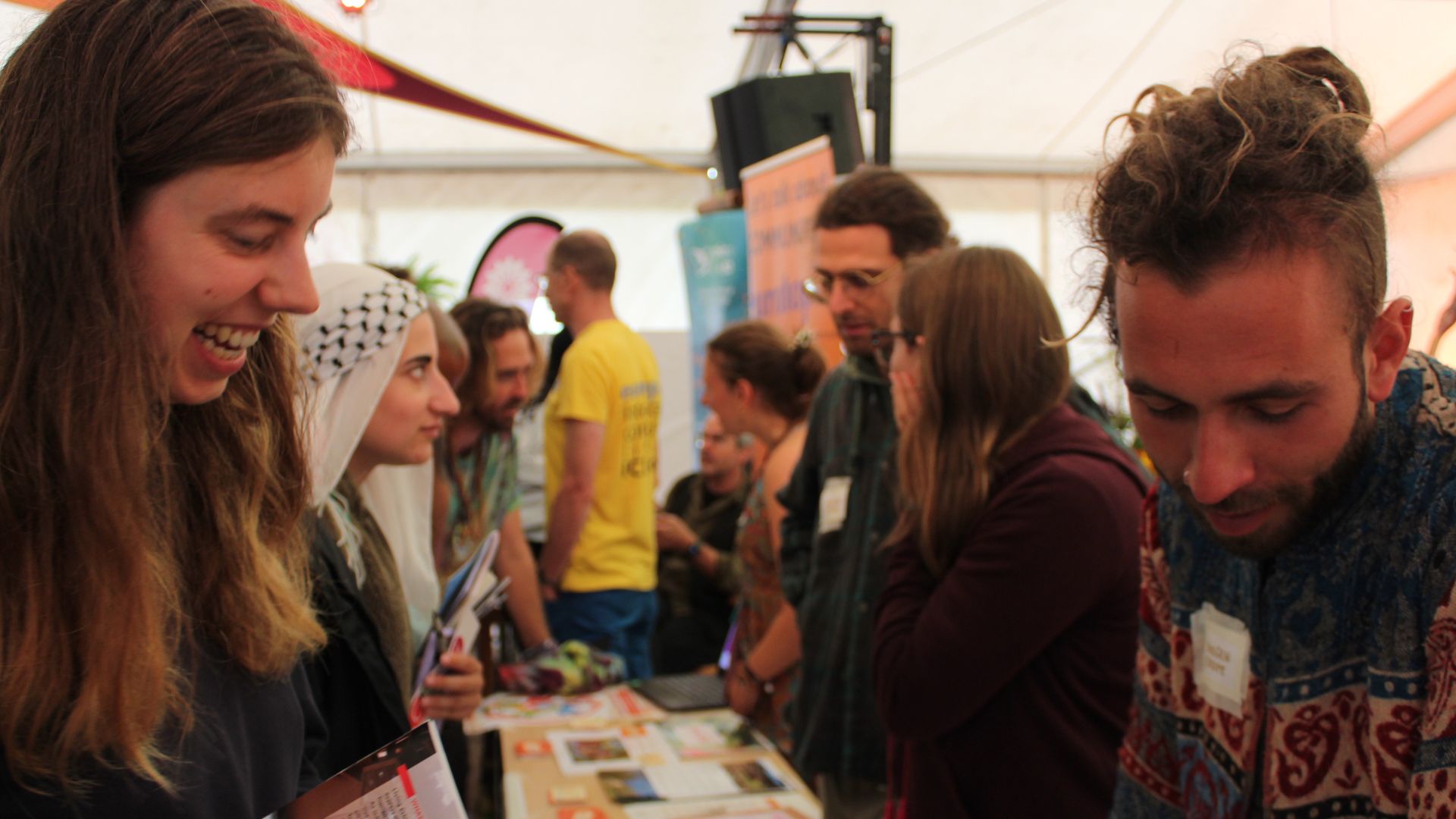
With ECOPRISE comes an innovative model for sustainable enterprises, inspired by ecovillages and permaculture, and tools to train eco-designers capable of regenerating resources and communities.

RELIEF has established four rural bioeconomy hubs in the project’s partner countries: Greece, Italy, Portugal, and Sweden.

The RELIEF e-learning platform is designed to provide educational resources and specific courses on bioeconomy in agriculture to students, agronomists and farmers.

Since the beginning of the war in Ukraine, universities worldwide have mobilized initiatives to support Ukrainian students and academics, providing housing, scholarships, and integration services. These efforts, often in collaboration with governments and organizations, aim to ensure academic continuity and promote solidarity and international cooperation.
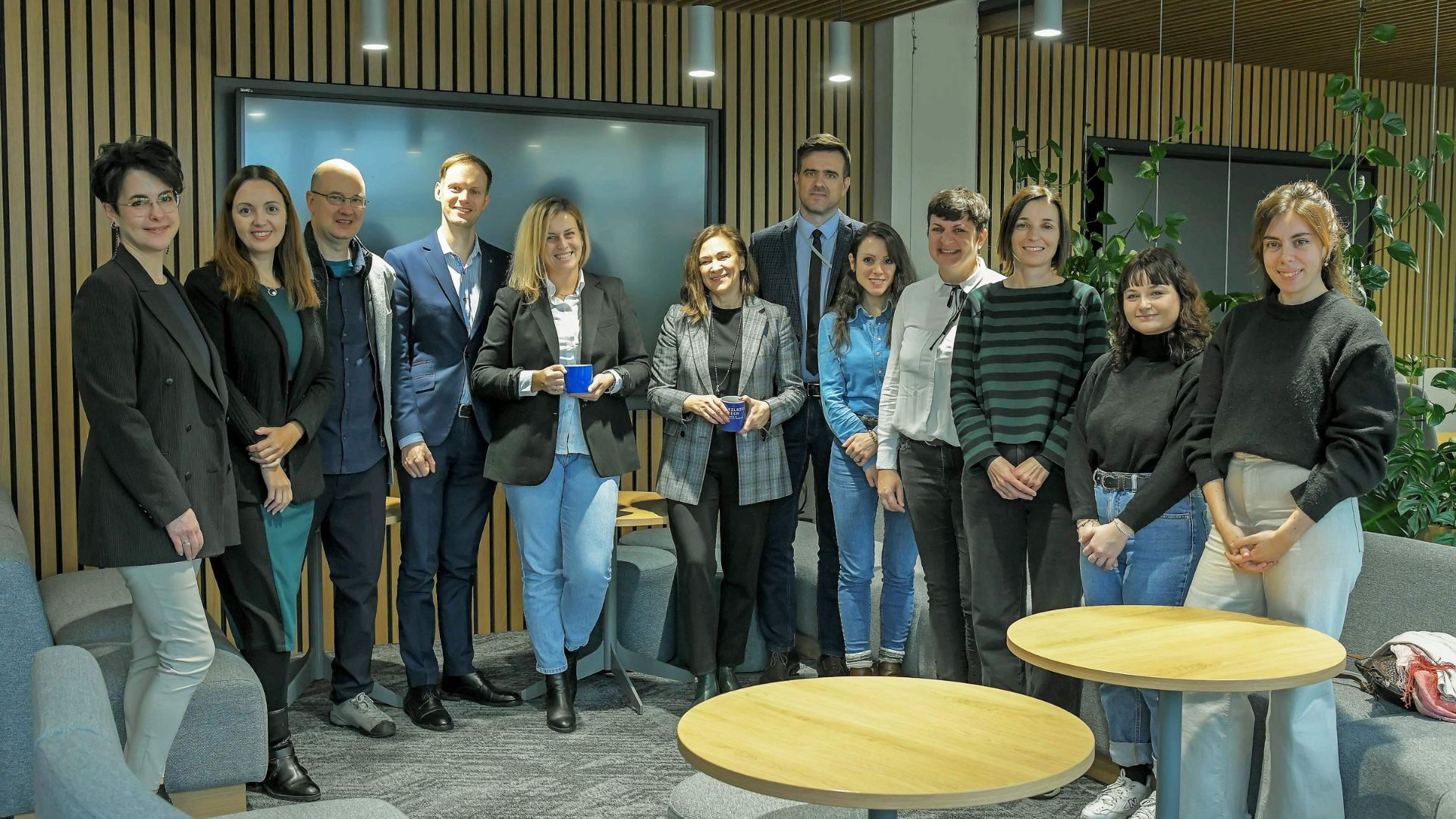
European higher education institutions face difficulties in translating sustainability goals into concrete actions, mainly due to a lack of clear assessment tools and metrics. ABCinEnergy responds to this challenge by developing the Habit Tracker platform, which will help universities and academic communities monitor and change energy behaviour. The project promotes energy sustainability, while also supporting training for the adoption of more responsible behaviour.

How climate change can be tackled in an equitable and inclusive way ClearClimate addresses inequalities in climate adaptation with collaborative research and mobility. From Barcelona to Novi Sad, the project develops co-created Climate Information Services (CIS), integrating agroecology, AI and storytelling for extreme events, with a user and educational focus.

Improve the project management skills and capacity in Higher Education Institutions (HEIs) in the Western Balkans, with a specific focus on sustainability, digital transformation, and sustainable growth.

Storytelling is a powerful tool to connect people, foster empathy, and drive meaningful social change. Projects like JeS, YEA, and EU+Map use it to promote inclusion, dialogue, and learning, creating synergies that amplify their transformative impact.