Improving science education has been a relevant objective of European countries since the end of the 1990s. Many projects and programmes promoting the study of science and supporting a positive image of science education have been created since then. Many measures have been adopted trying to improve students’ interest in science education.
Among these measures there are:
- implementing curriculum reforms,
- creating partnerships between schools and companies, scientists and research centres,
- initializing projects focusing on continuing professional development.
On the 6th of November 2017, SciLit project team met in Palermo to discuss the National and European measures and programmes regarding science education.
During the 3rd partnership meeting that was hosted by CESIE, SciLit project partners analysed legal, policy framework and curricula for science education in pre-primary and primary schools in their countries.
We discussed that all our countries adopt both national and regional policies for the implementation of science education in the curricula, presented national guidelines for teacher training and our countries’ universities offer curricula containing scientific subjects for future teachers.
Finally, we agreed that even though the strategies have been adopted for improving aspects of science education, there is still a long way to go. European and national levels need to continue working through an active co-operation on common policies addressed to the improvement of strategies and to the building on new practices of science teaching.
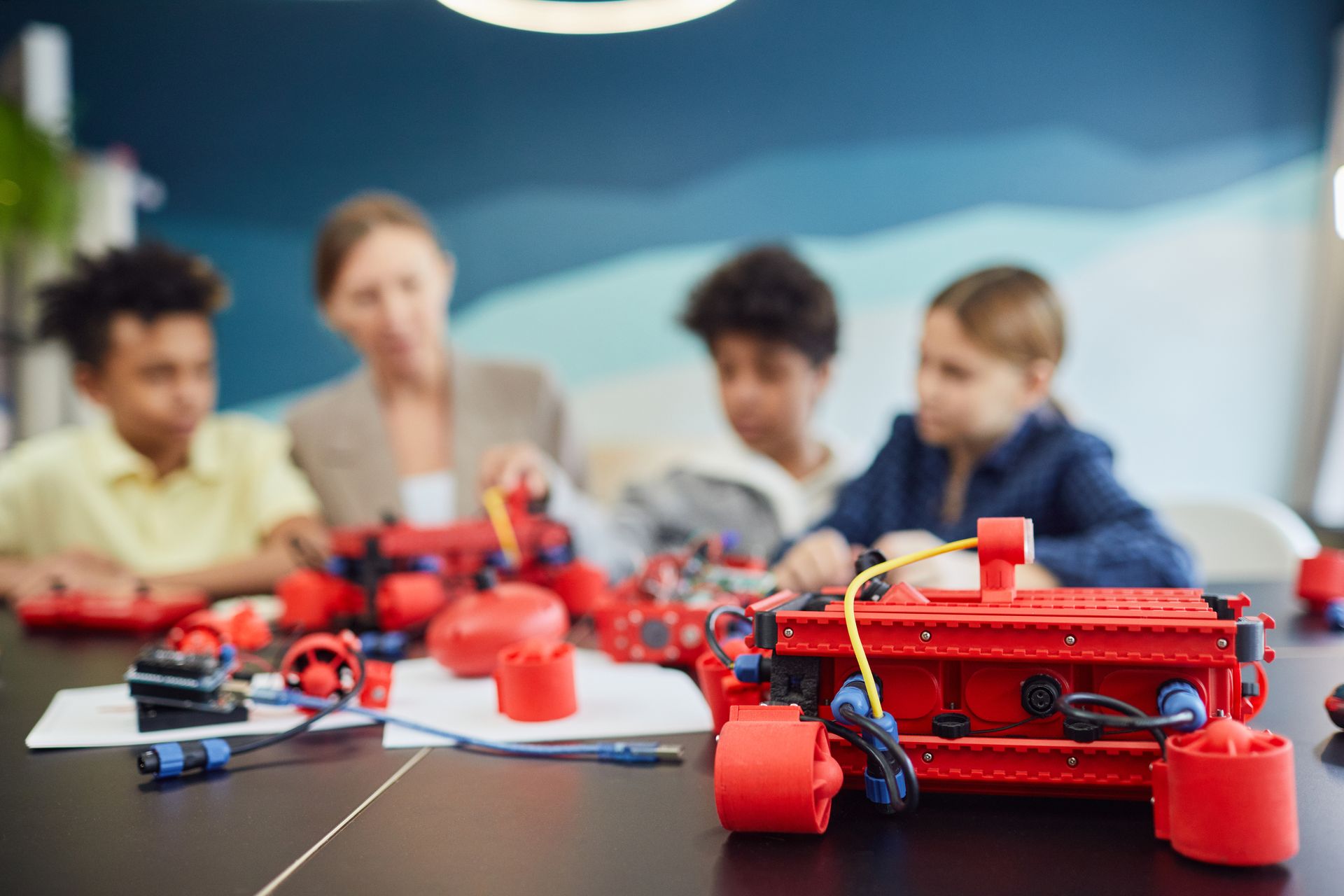
Within the SciLit project we are developing tools and materials for teachers and educators for teaching and promoting science education:
- Guide for policy makers, scientists, education professionals and national, regional and local authorities involved in science education.
- Classroom materials for teaching natural sciences.
- Classroom materials for teaching social and human sciences bringing archaeology closer to the students.
We want to contribute to the improvement of strategies of science teaching and we want to make science education more attractive, because
“Science is an important component of our European cultural heritage. It provides the most important explanations we have of the material world. In addition, some understanding of the practices and processes of science is essential to engage with many of the issues confronting contemporary society.”
Osborne and J. Dillon, from report Science Education in Europe: Critical Reflections
SciLit – Scientific literacy at the school: improving strategies and building new practices of science teaching in early years education is co-funded by the Erasmus+ Program, Key Action 2 – Strategic Partnerships for school Education – with the main aim to go one step ahead on the way science is taught in the early stages and to develop necessary tools to facilitate the teaching of science.
The SciLit partnership holds together 8 organisations:
- Agencia estatal Consejo Superior de Investigaciones Cientificas (Spagna – coordinator),
- T CPR Gijón-Oriente (Spain),
- KPrzedszkole nr 34 “Mali odkrywcy” (Poland)
- Colegio público San Francisco (Spain)
- Kedainiu lopselis-darzelis ,,Zilvitis” (Lithuania)
- Tallinna Asunduse Lasteaed (Estonia)
- Kujawsko-Pomorskie Centrum Edukacji Nauczycieli in Bydgoszcz (Poland)
- CESIE (Italy).
For more information about the project please contact Ruta Grigaliunaite, ruta.grigaliunaite@cesie.org.