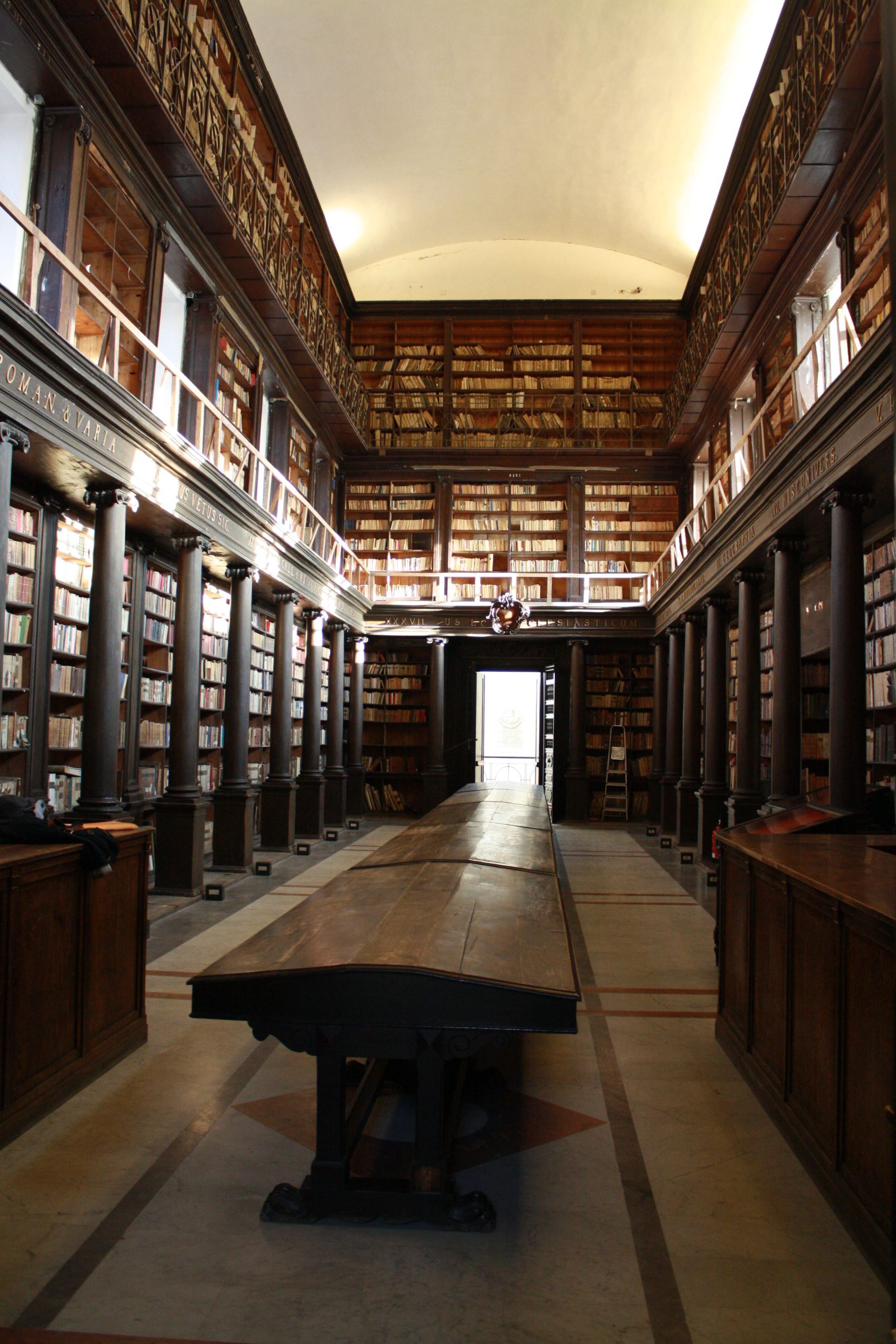
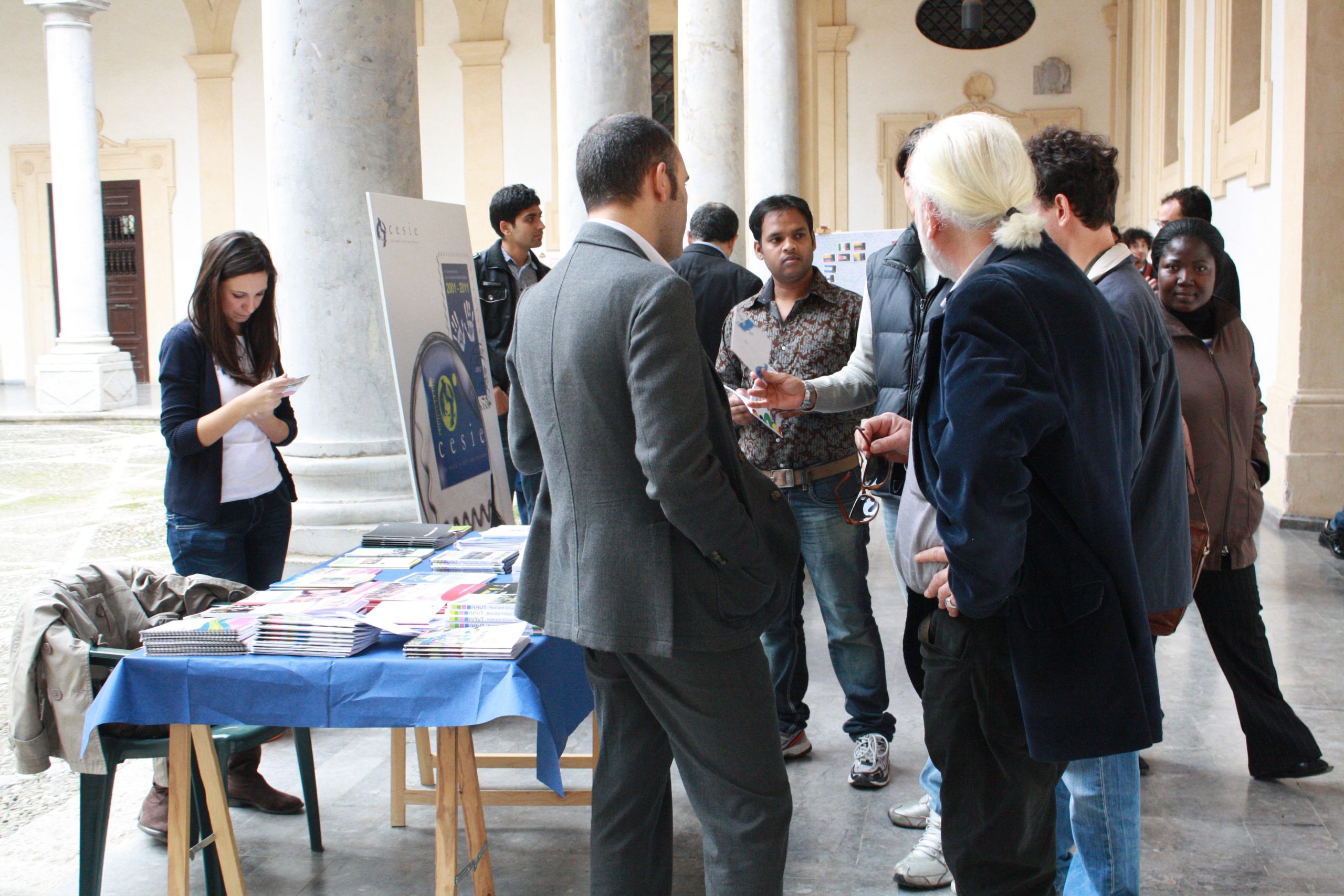
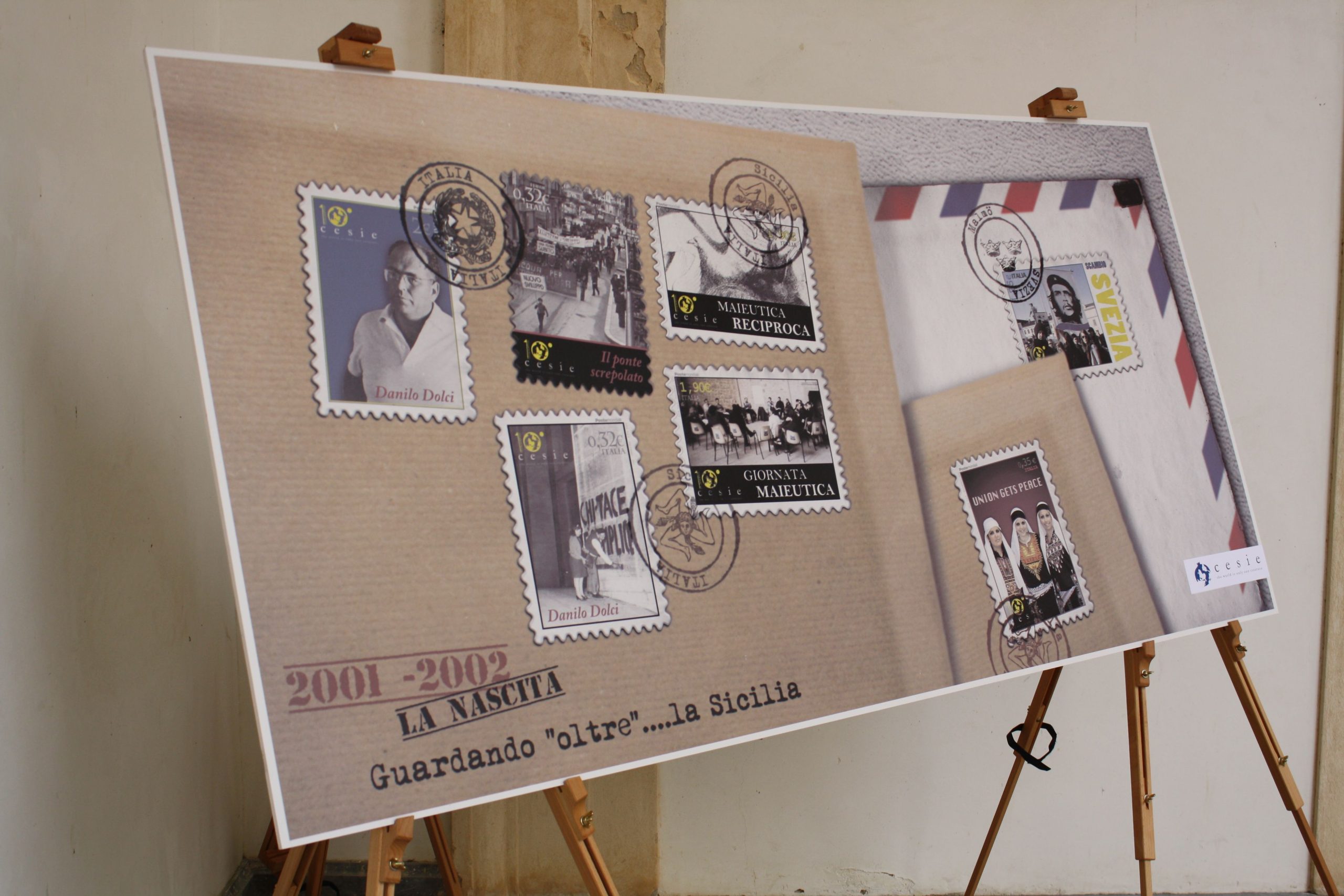
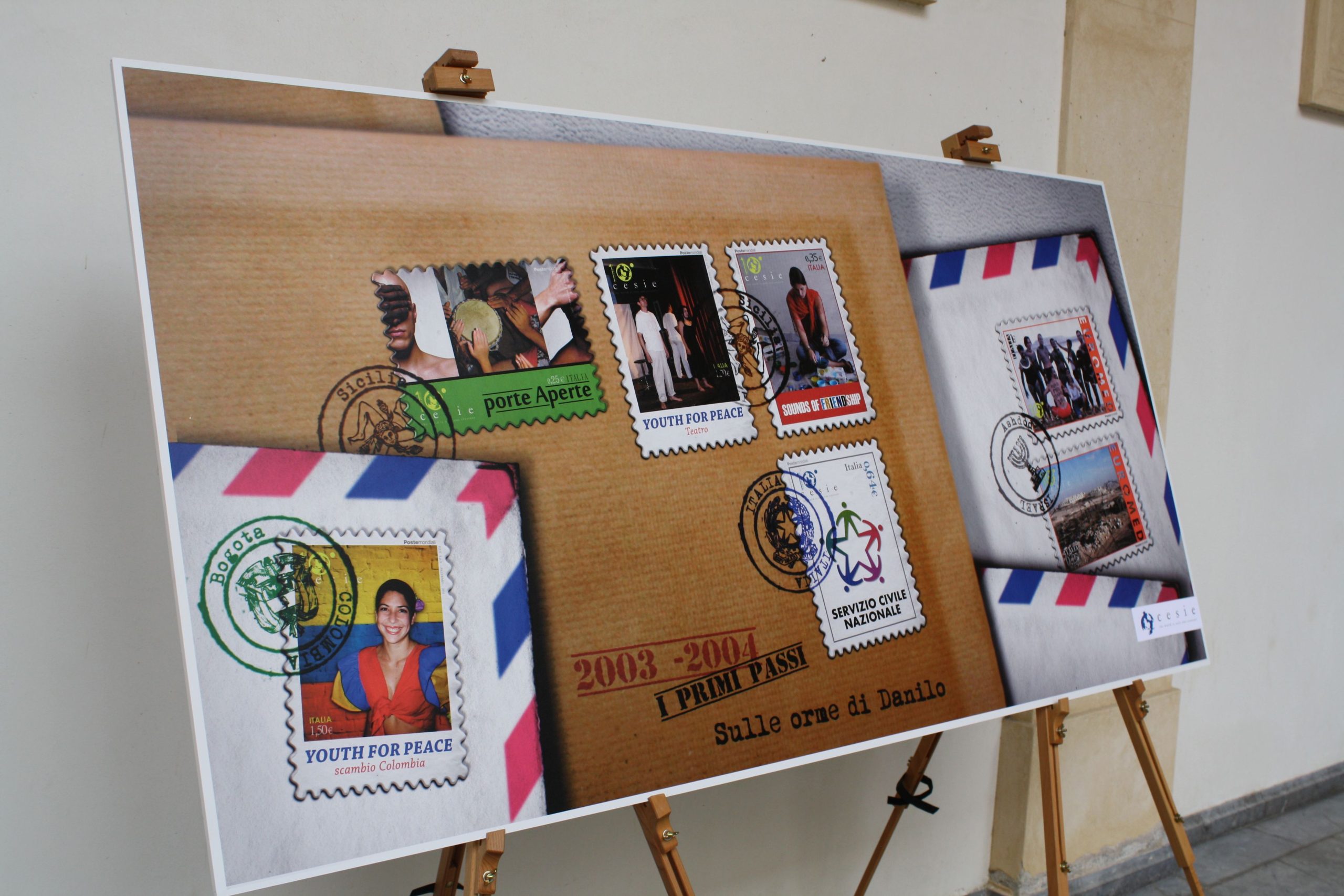
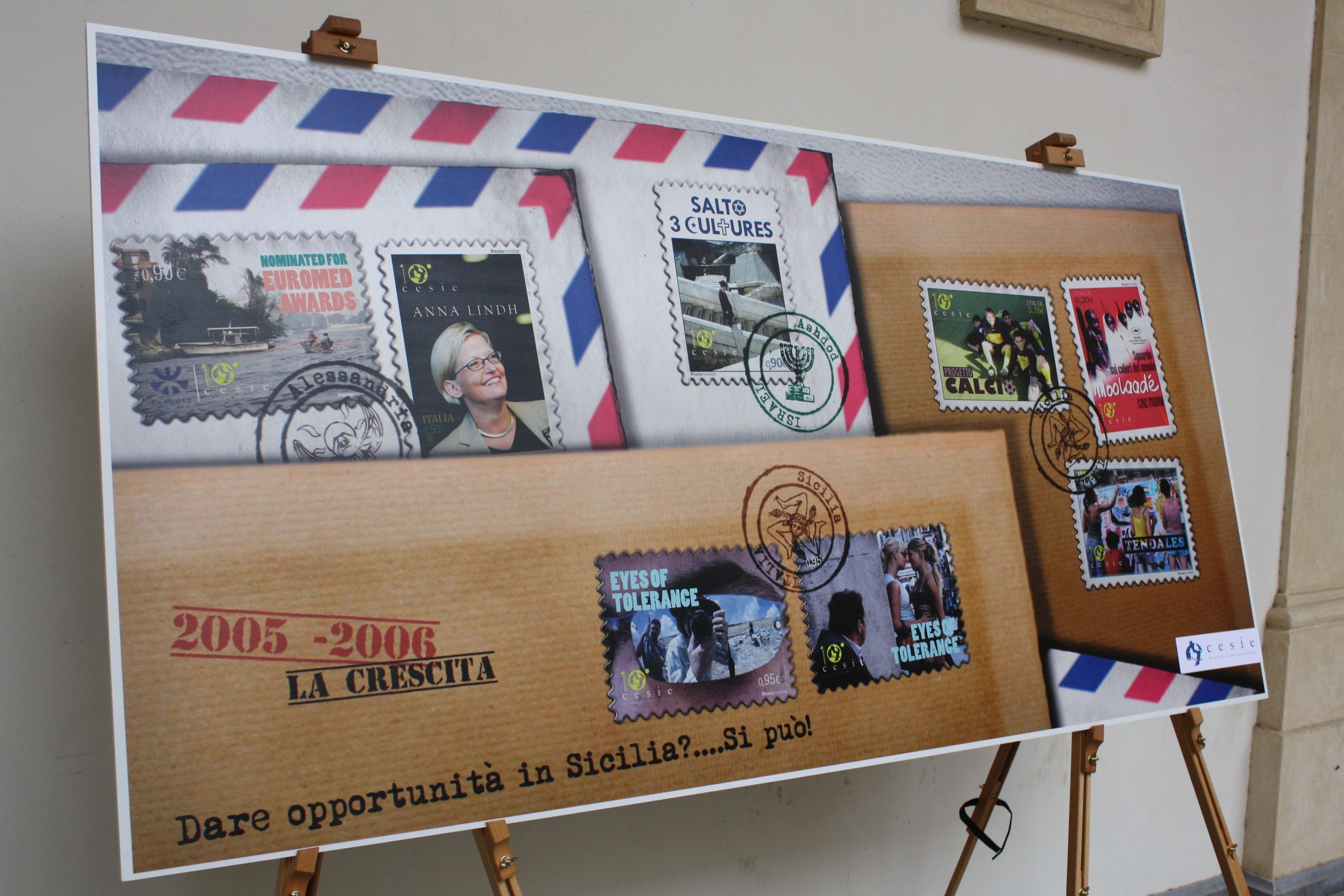
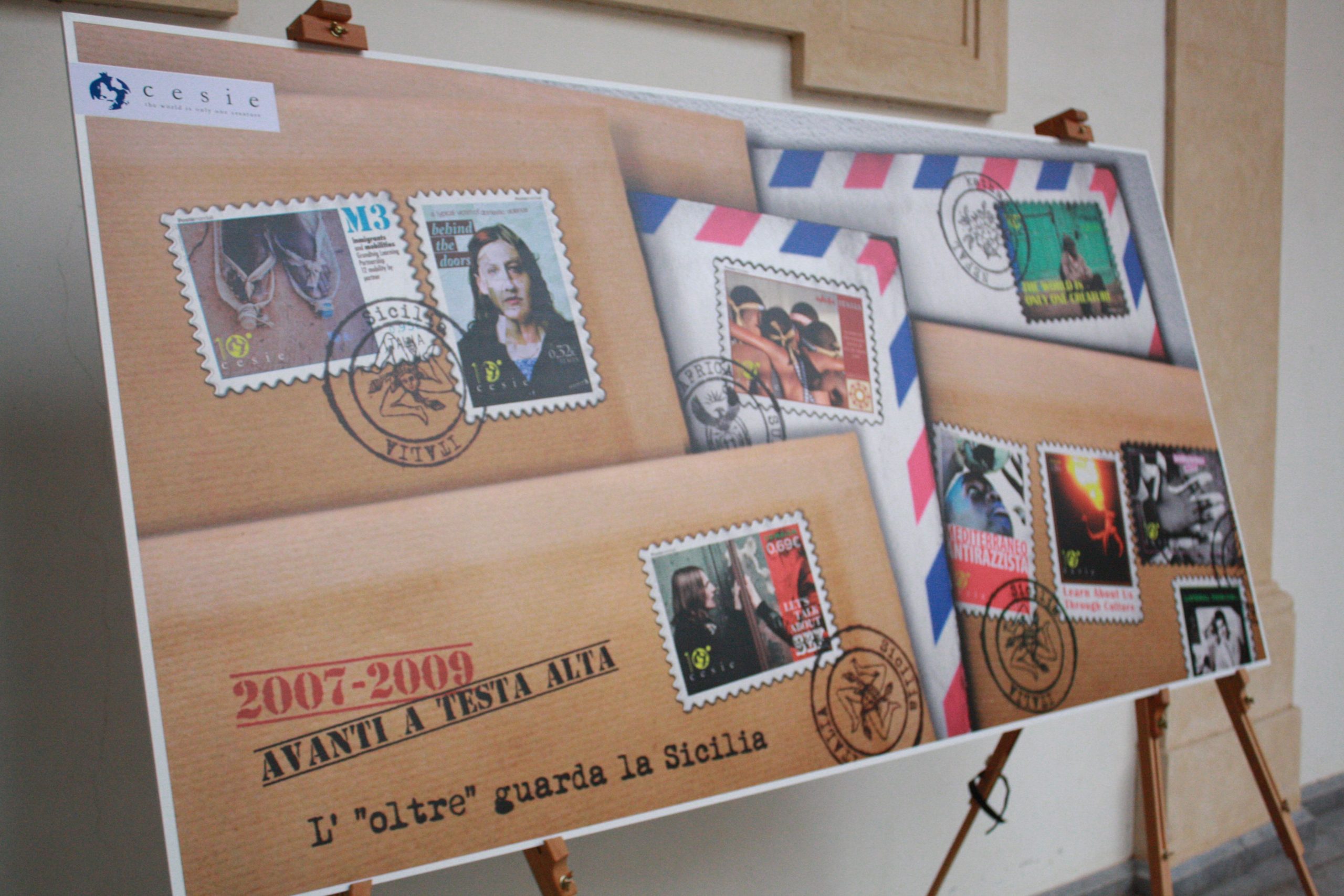
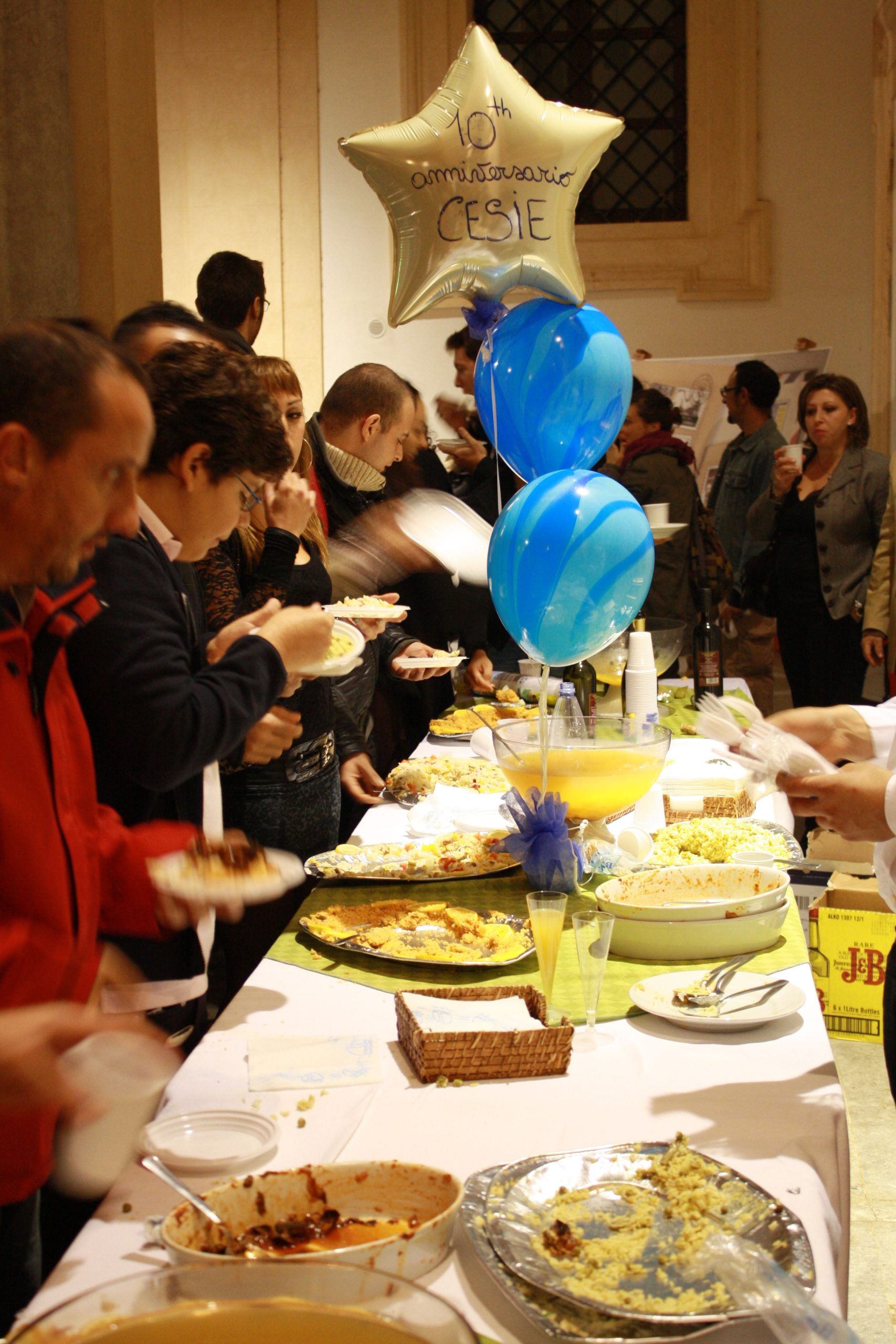
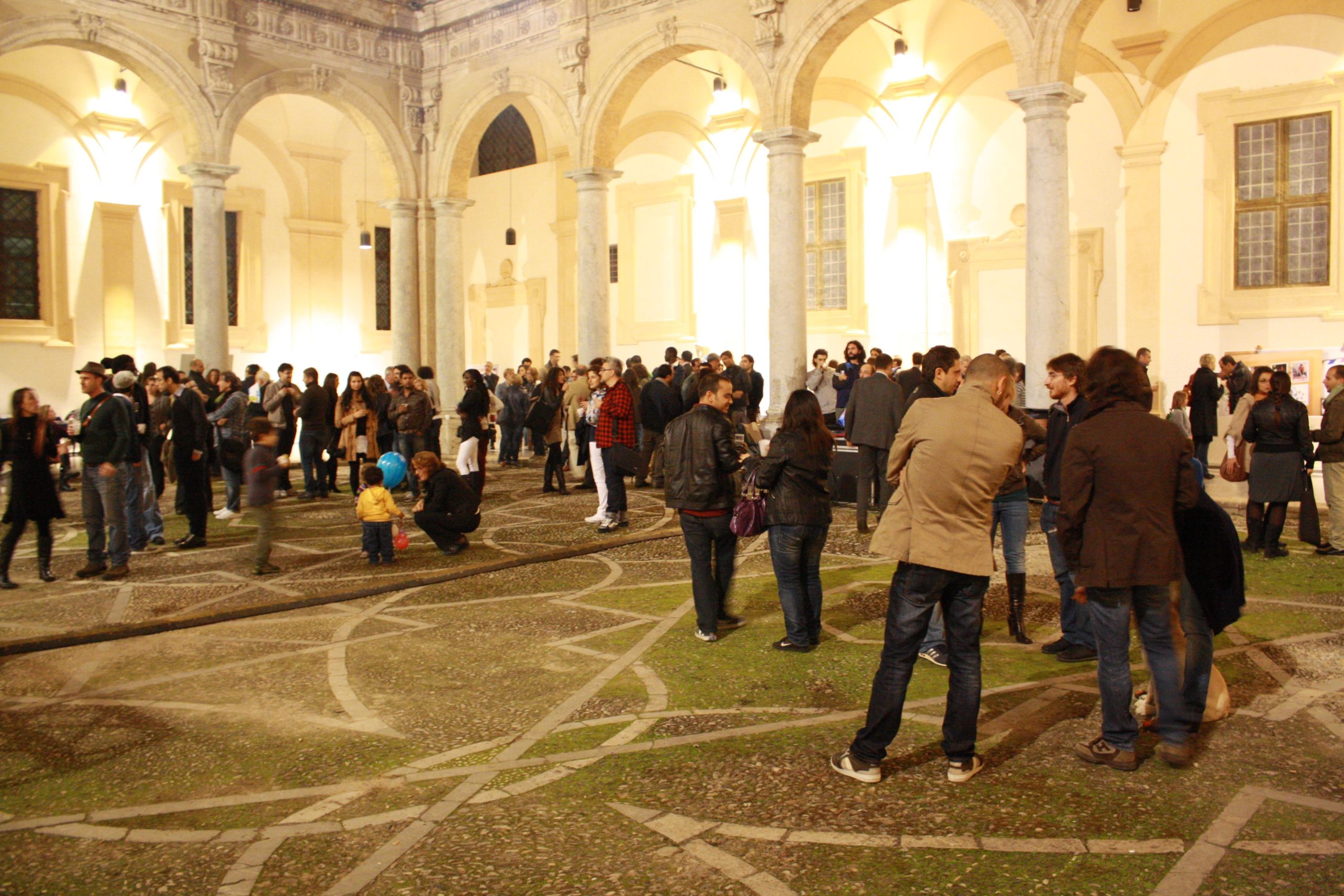
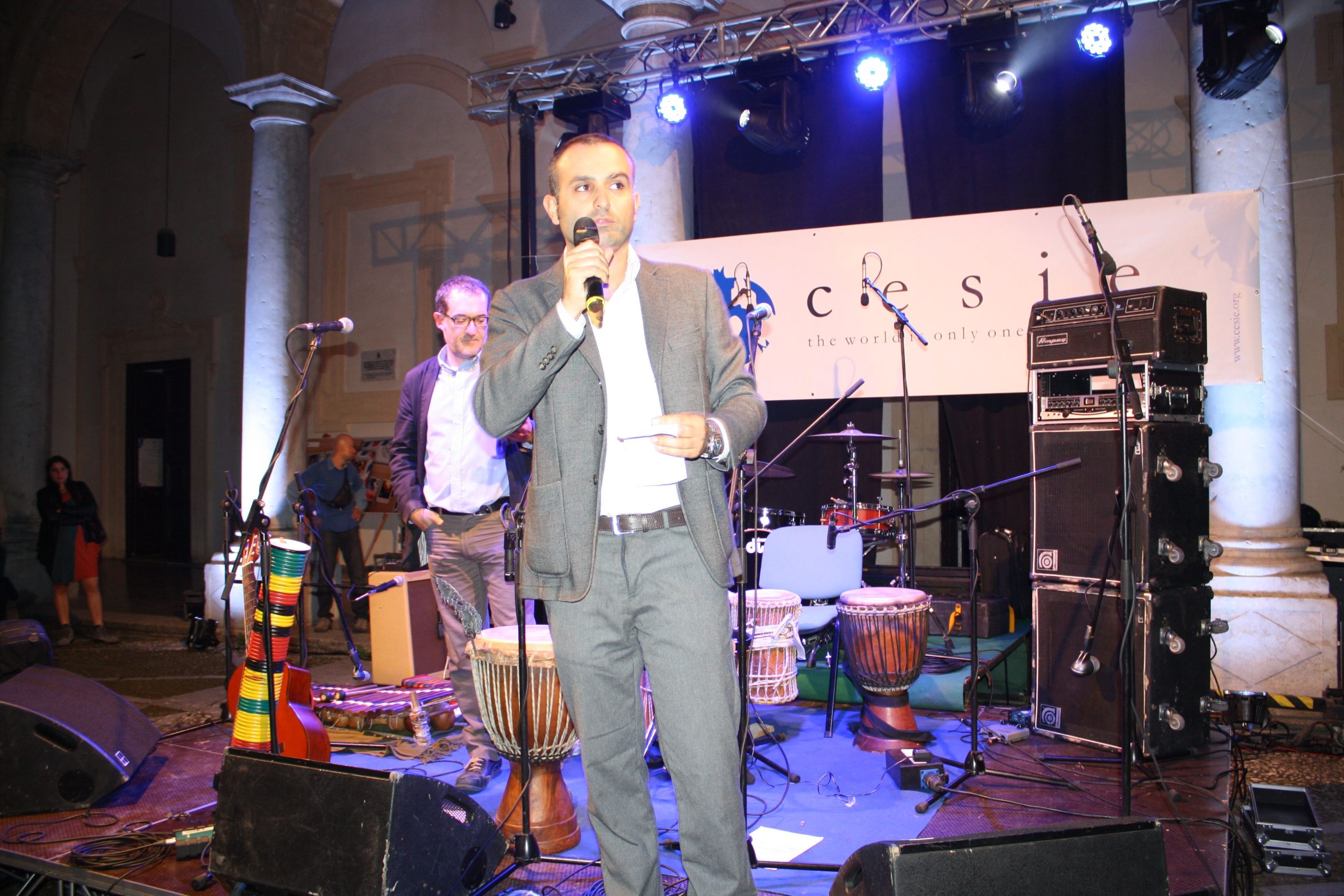
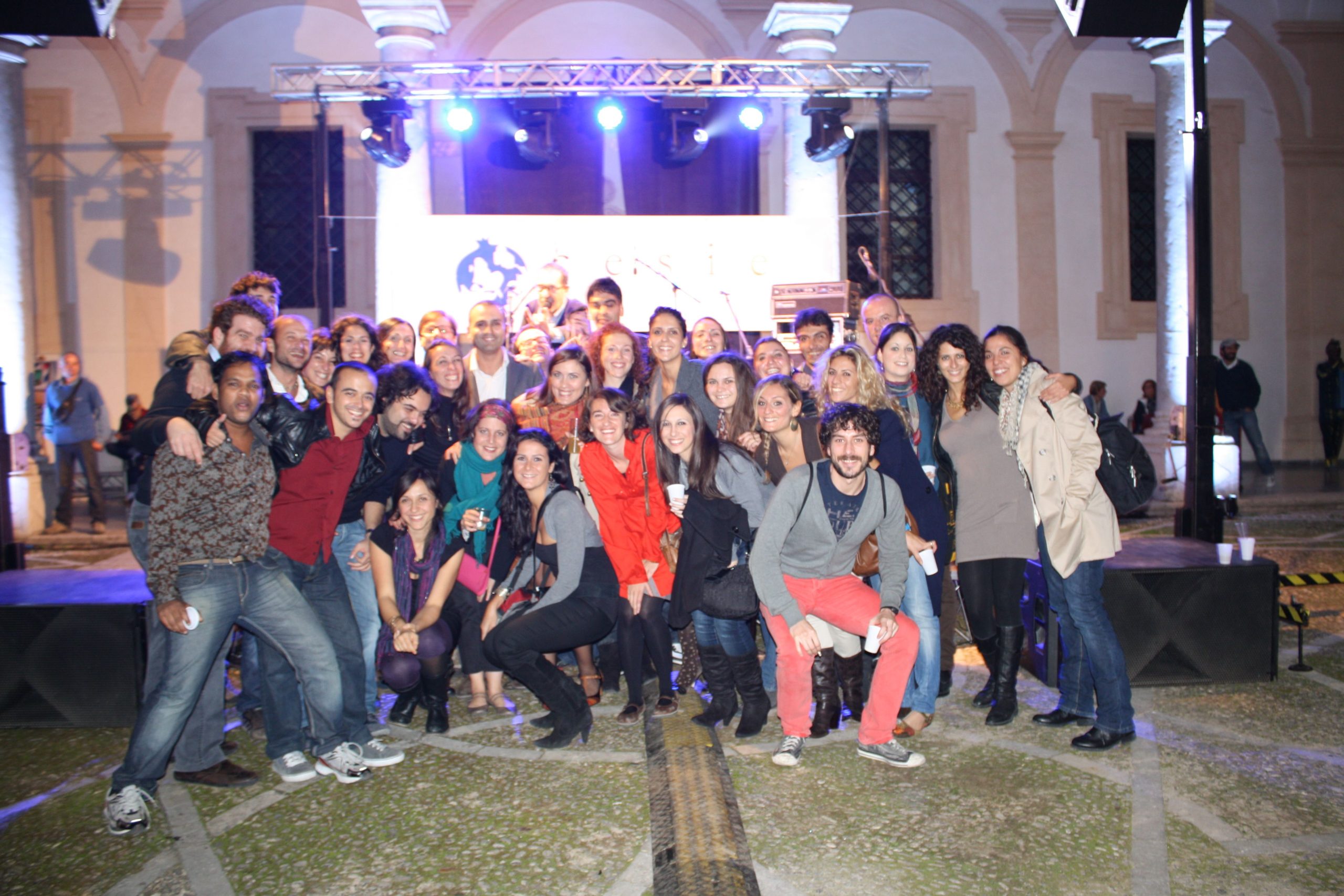
Last weekend was entirely dedicated to CESIE. All friends of the European Centre for Studies and Initiatives met on 21 and 22 October at the Public Library of Casa Professa, in Palermo, not only to celebrate these first 10 years, but also to look at the future.
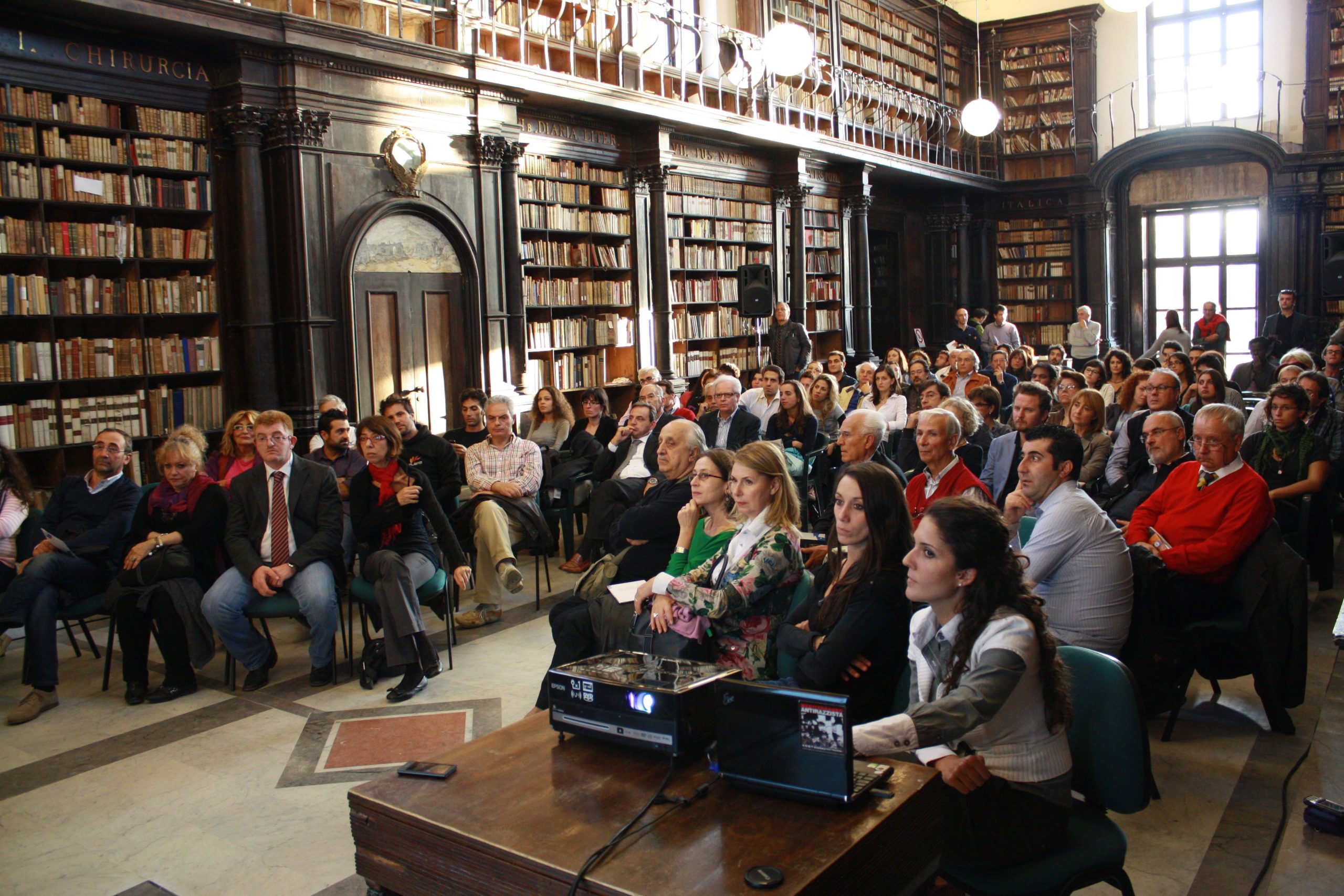
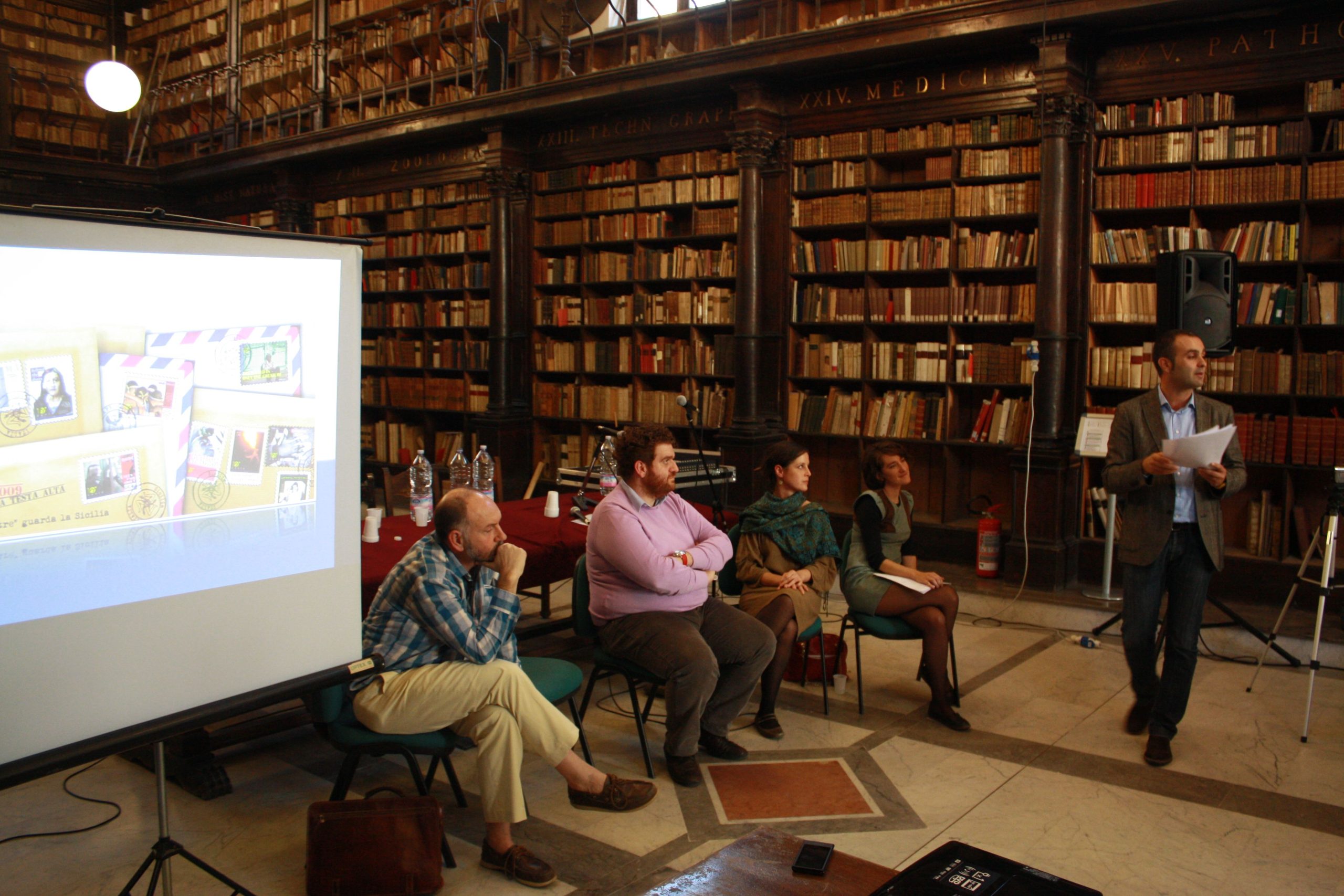
The event started last Friday at 15.00 with the conference “CESIE, Danilo Dolci e la Sicilia di domani” which saw the participation of Vito La Fata (president of CESIE), Daniele La Rocca (vice-president of CESIE), Marie Marzloff (coordinator of the Department for International Cooperation) and Sarah Beal (coordinator of the Department for European Cooperation). They illustrated 10 years of engagement aimed at the promotion of growth and development through the active involvement of people, increasing the value of diversity and the strong connection with the lesson of Danilo Dolci, that CESIE projected towards the future.
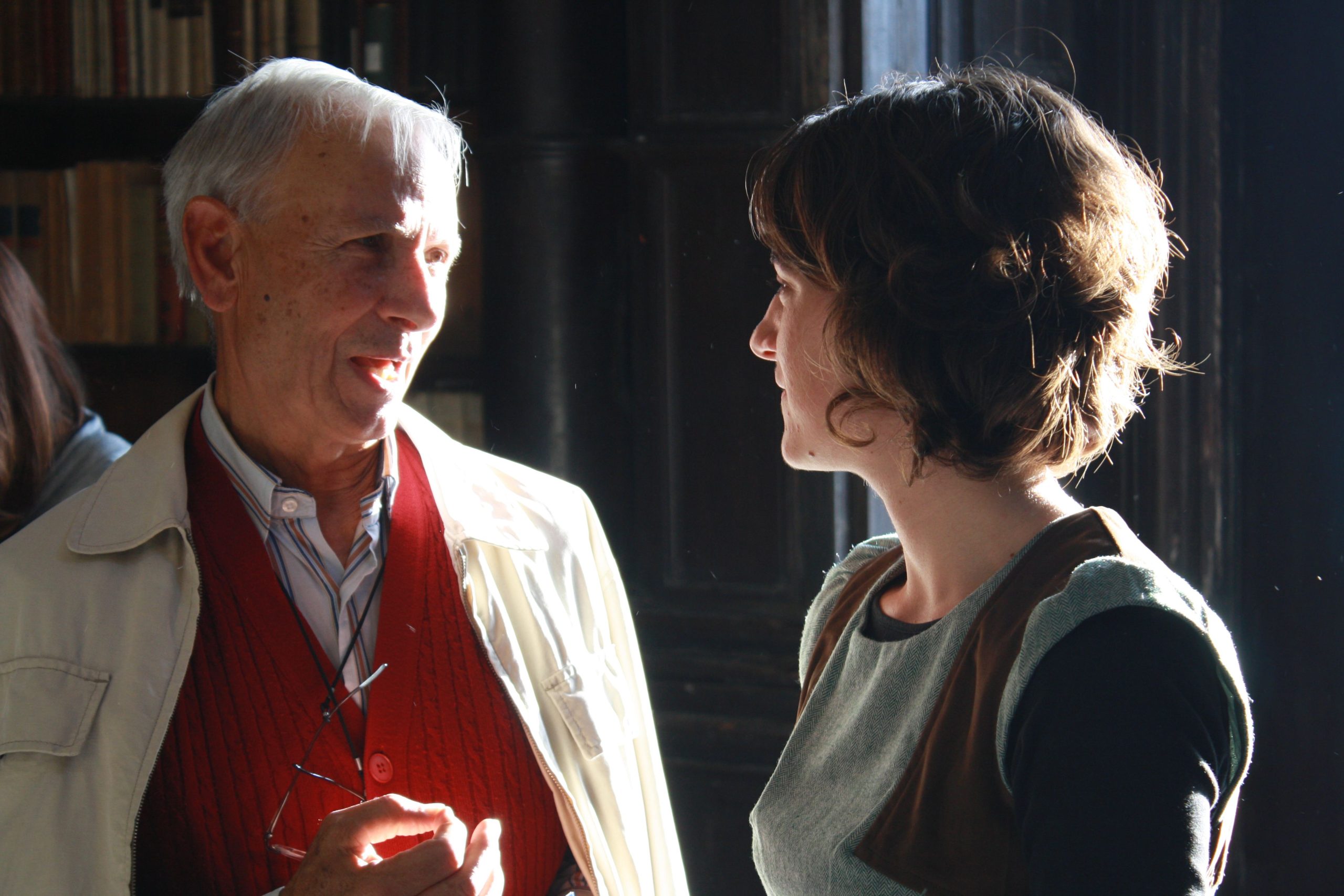
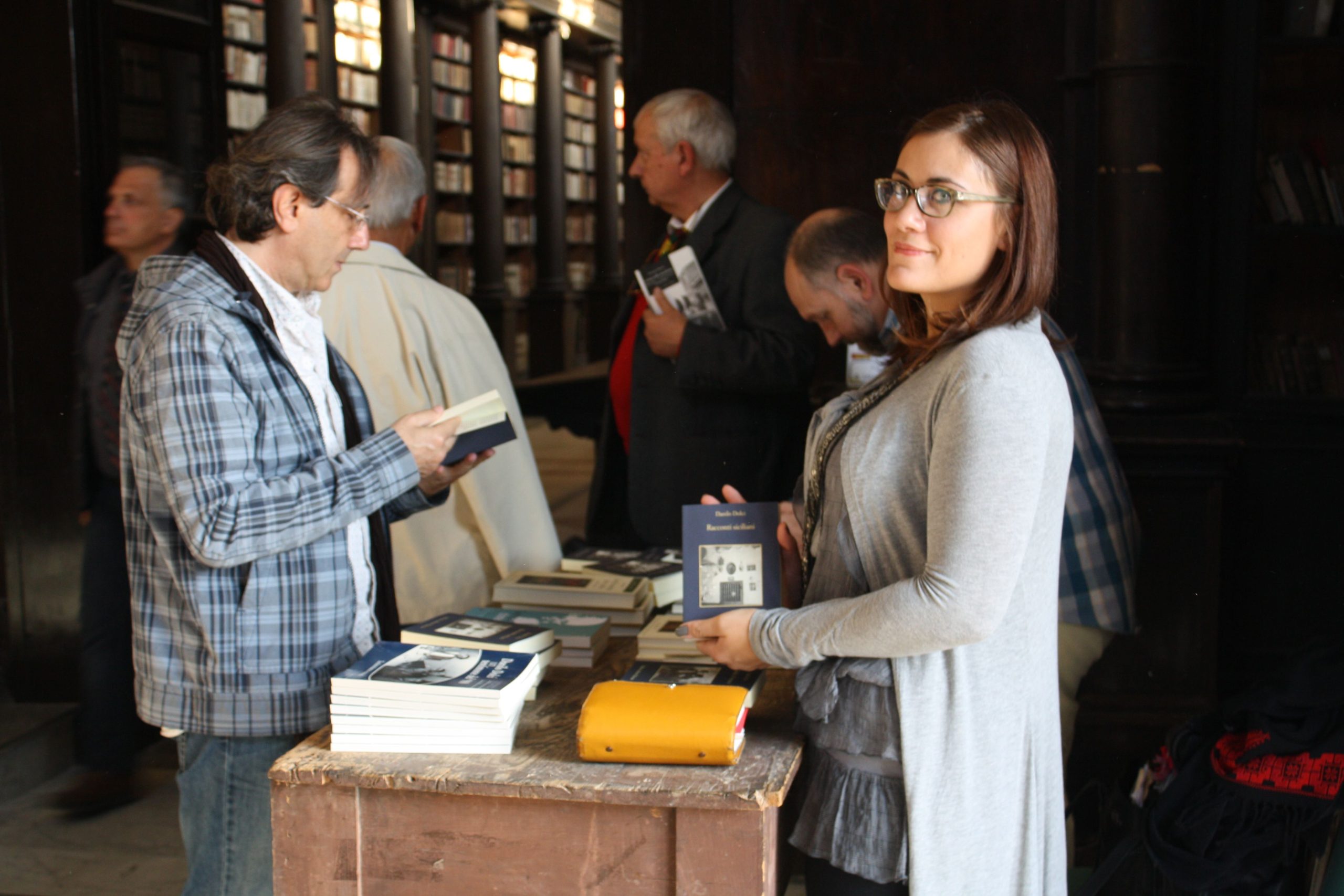
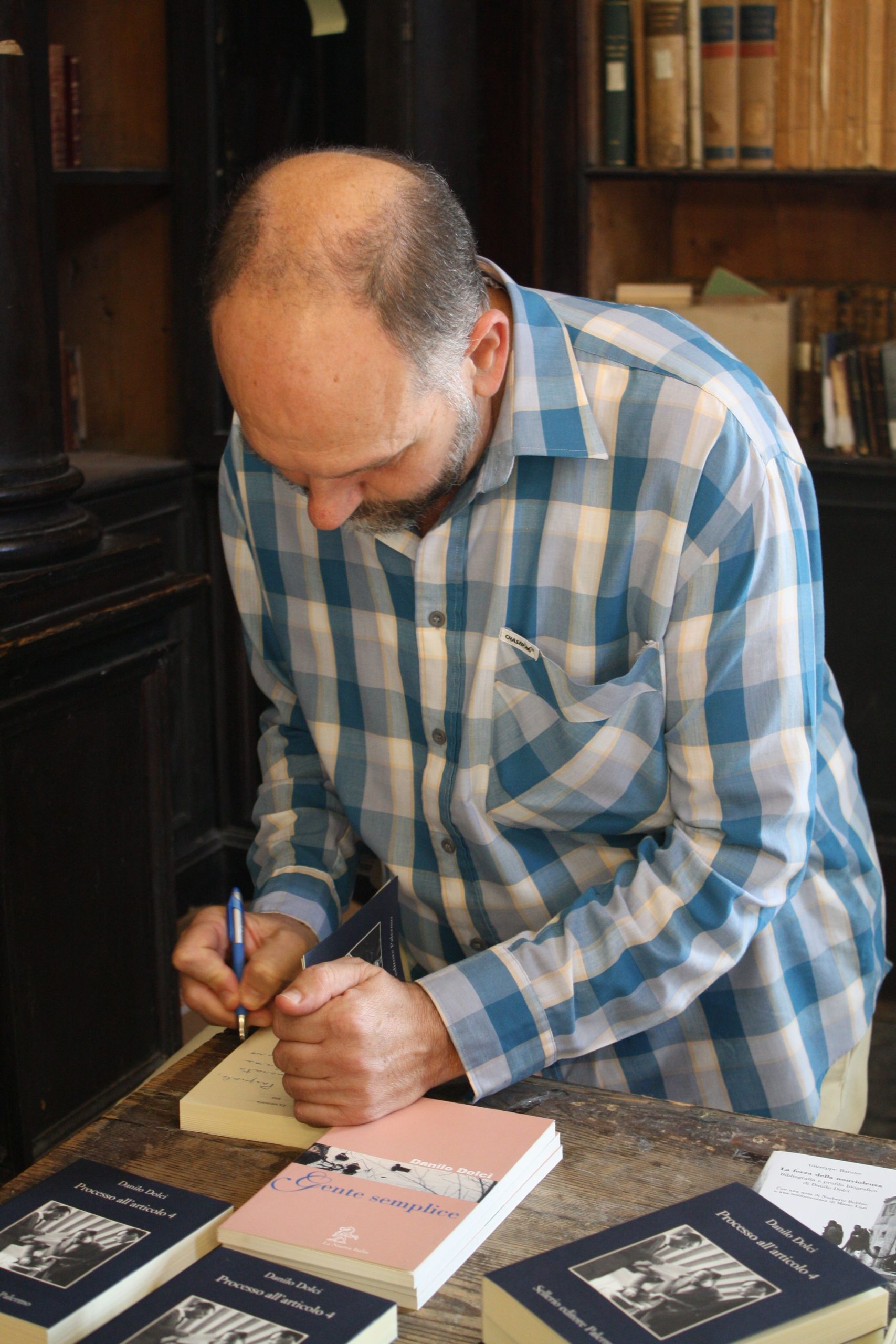
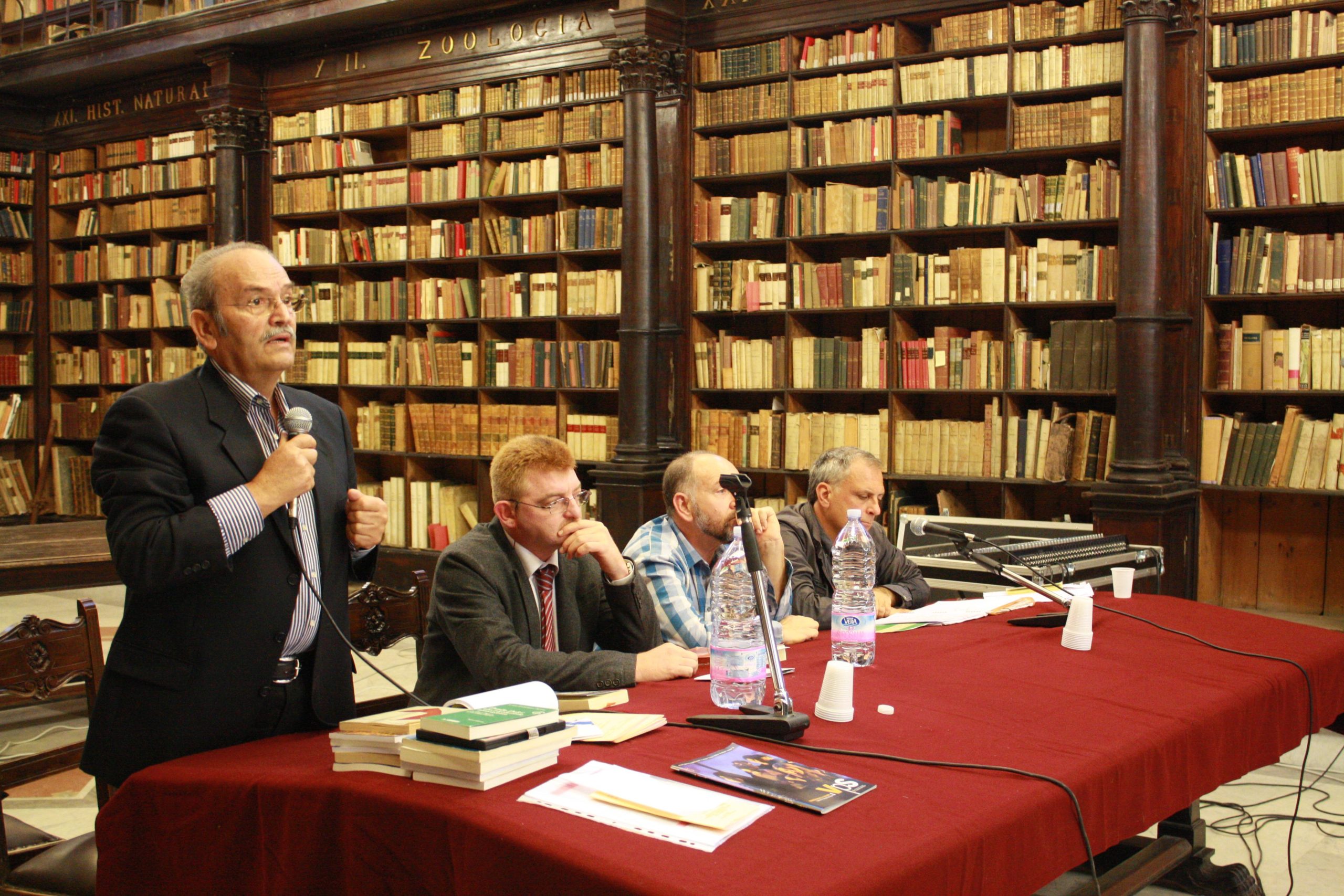
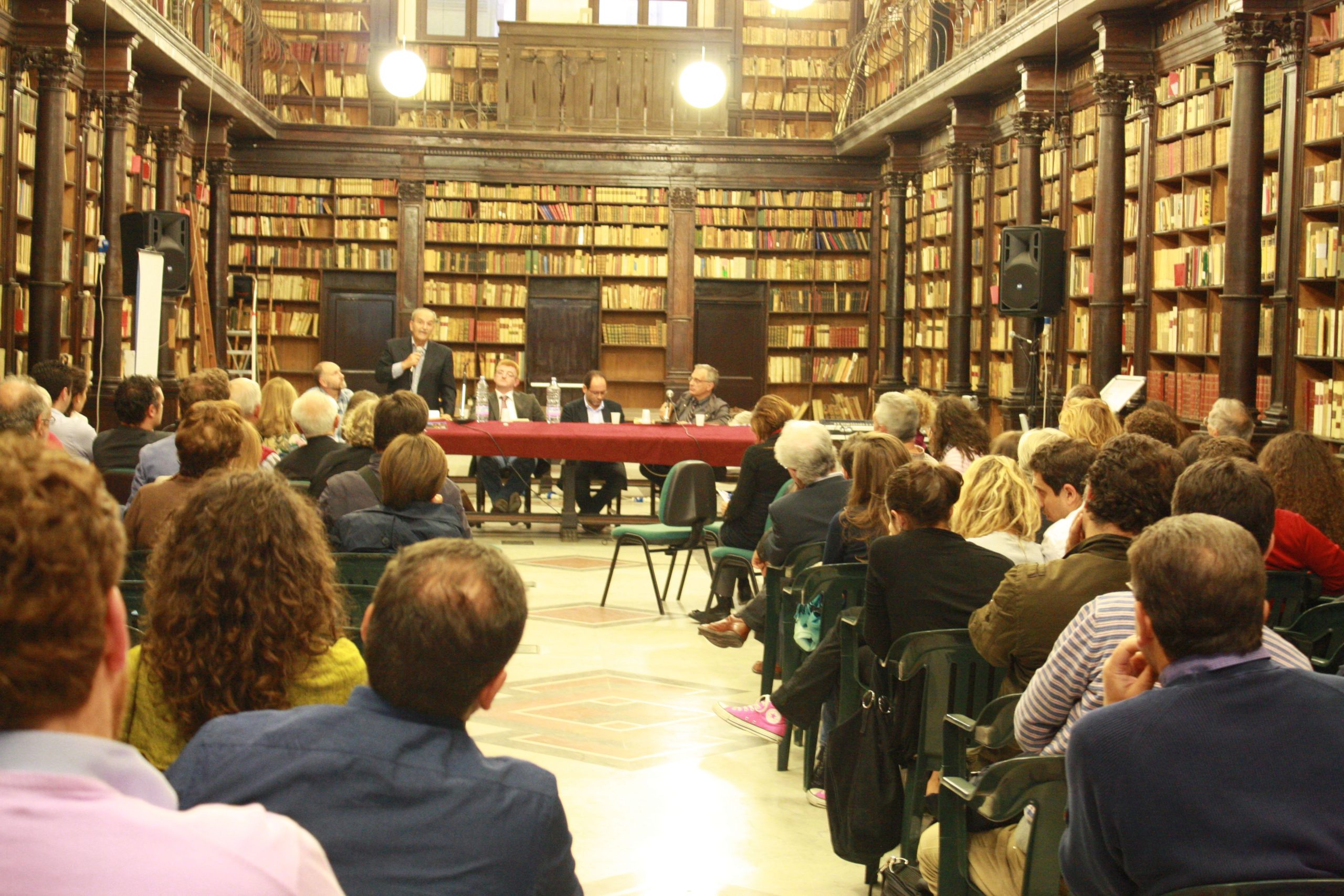
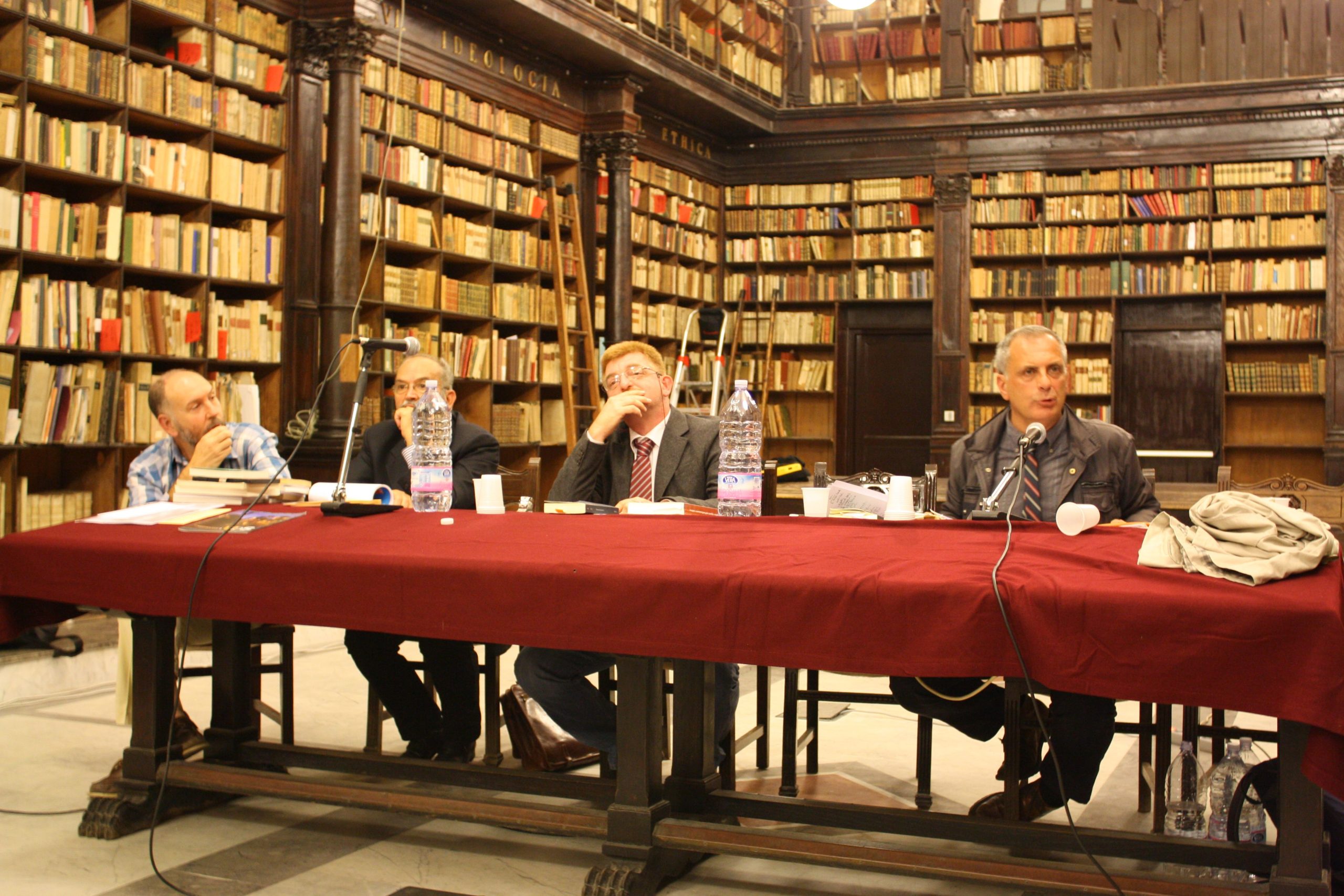
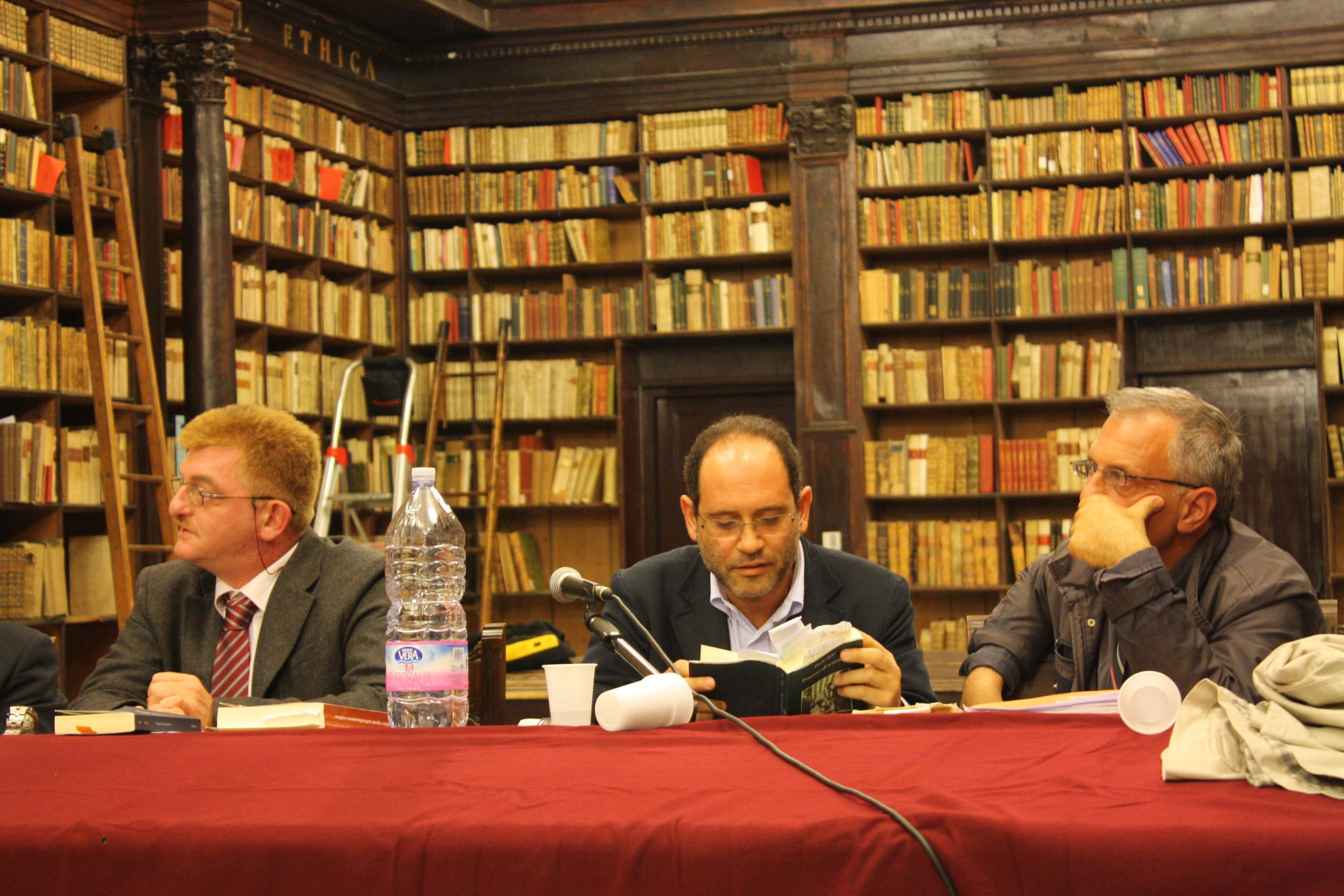
Then, in a historical room of the building, there was the presentation of the book “Processo all’art.4” written by Danilo Dolci and published by Sellerio.
Back in 2 February 1956, as a form of protest, Danilo Dolci decided to repair a street called “Trazzera vecchia”, near Partinico, that was completely ruined. It was a reversed strike, later called by the press “Dolci’s non-violent revolution”.
Dolci wanted people to be active in order to change the status quo; according to him, if “The Republic recognizes the right of all citizens to work and promotes conditions to fulfill this right” (art. 4 of Italian Constitution), the only way for unemployed people to strike is to work for free. That day – 2 February 1956 – Dolci was doing this together with the unemployed, when police came and arrested them. They were charged with occupation of public space and resisting arrest; temporary release was refused to Dolci and his followers.
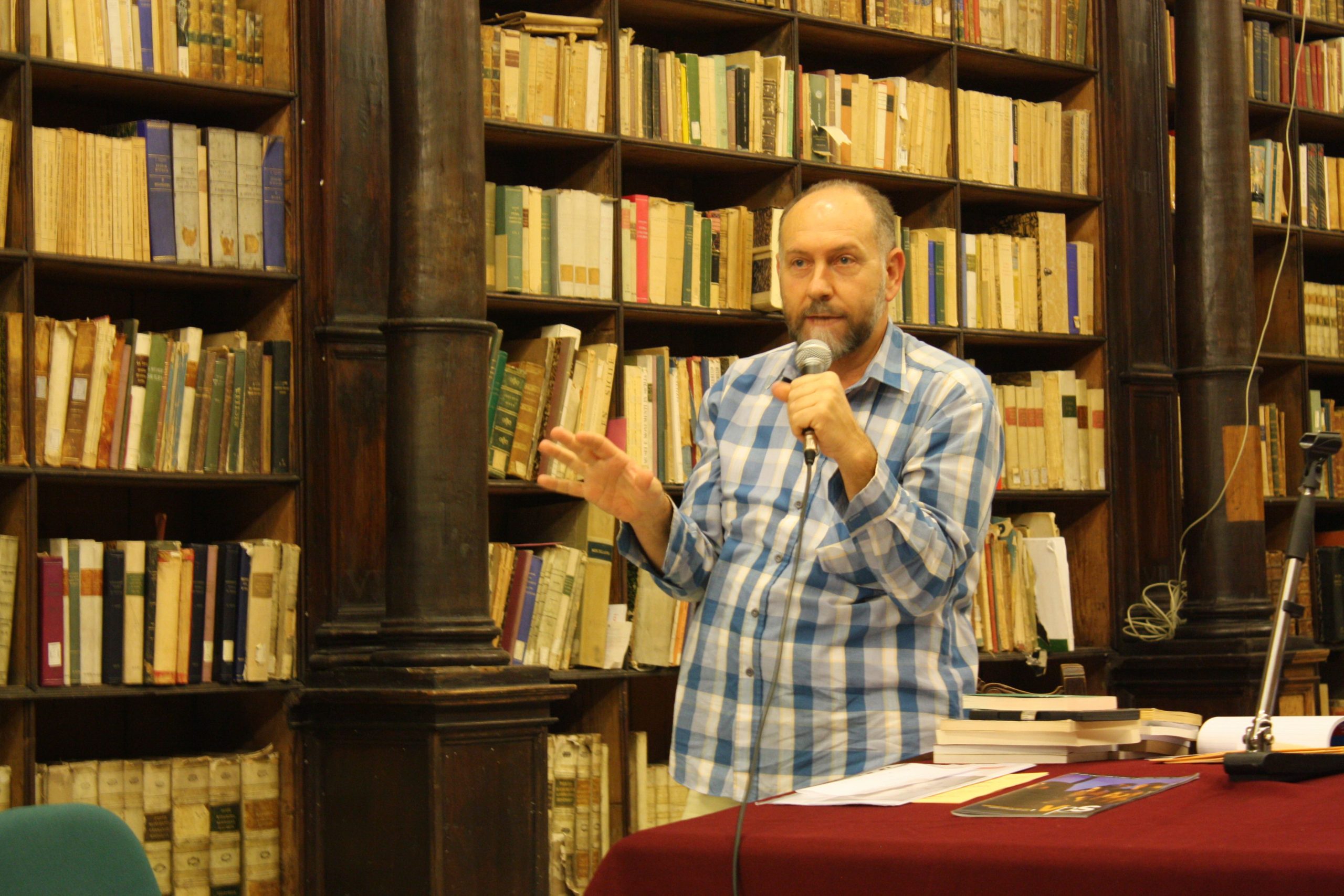
This scene was thoroughly described by the speakers: Giuseppe Casarrubea (historian), Pasquale Beneduce (university professor of Medieval and Modern Law, who wrote the afterword of the book), Francesco Sciotto (director of the diaconal centre Valdese), Amico Dolci (president of the Centre for Creative Development “Danilo Dolci”). The end of the conference saw the intervention of Antonio Ingroia, deputy prosecutor of the DDA of Palermo.
Speakers focused their speeches on the riots that spread throughout Italy soon after Danilo Dolci’s arrest – with a strong stance taken by intellectuals – and on several points of order done on what happened. On that occasion, Piero Calamandrei – one of Italy’s leading authorities on the law of civil procedure – wanted to defend Dolci, and Norberto Bobbio, Carlo Levi and Elio Vittorini witnessed at the trial.
The audience listened carefully to the account of the event made, among others, by people who personally lived it, with anecdotes and accurate historical accounts.
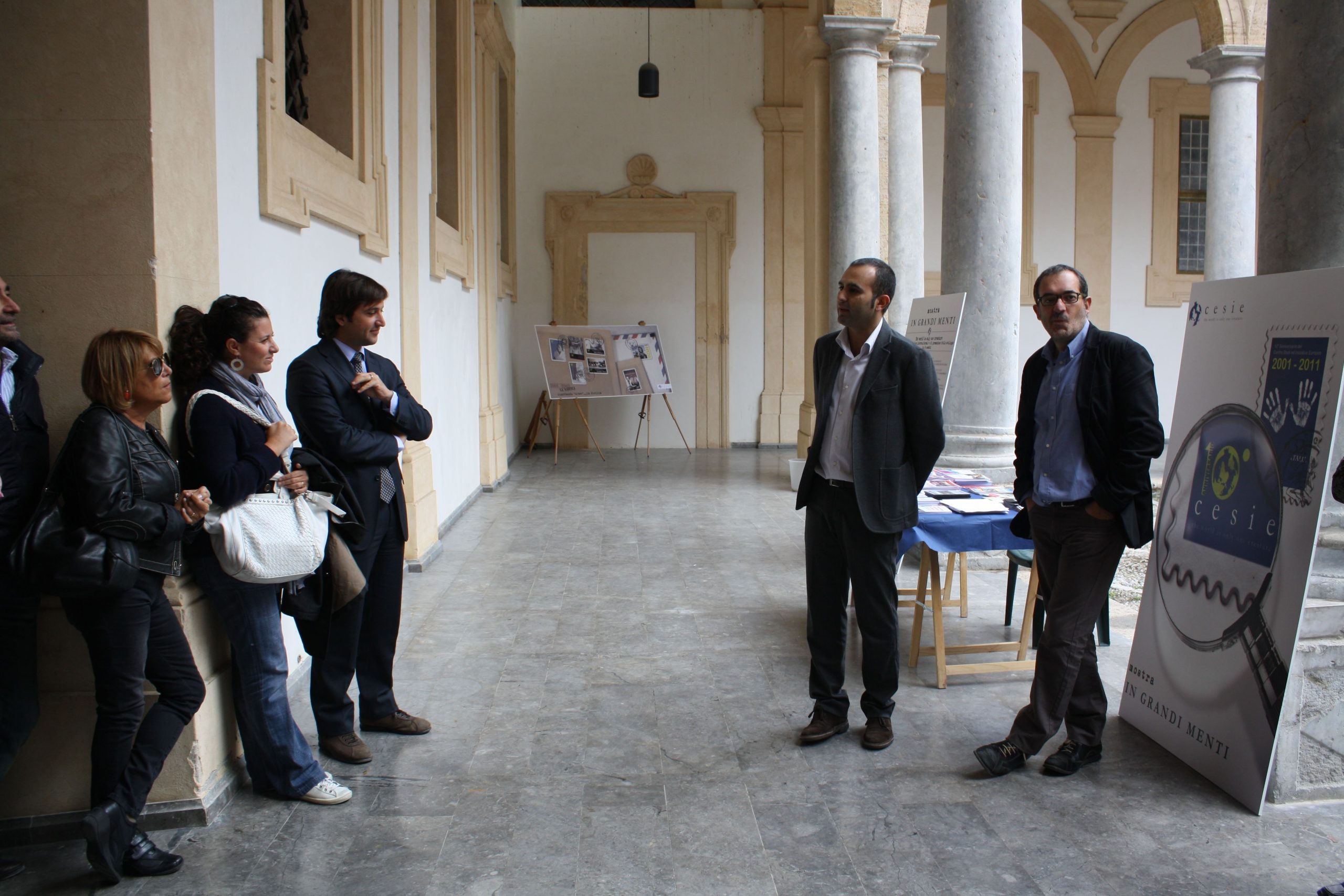
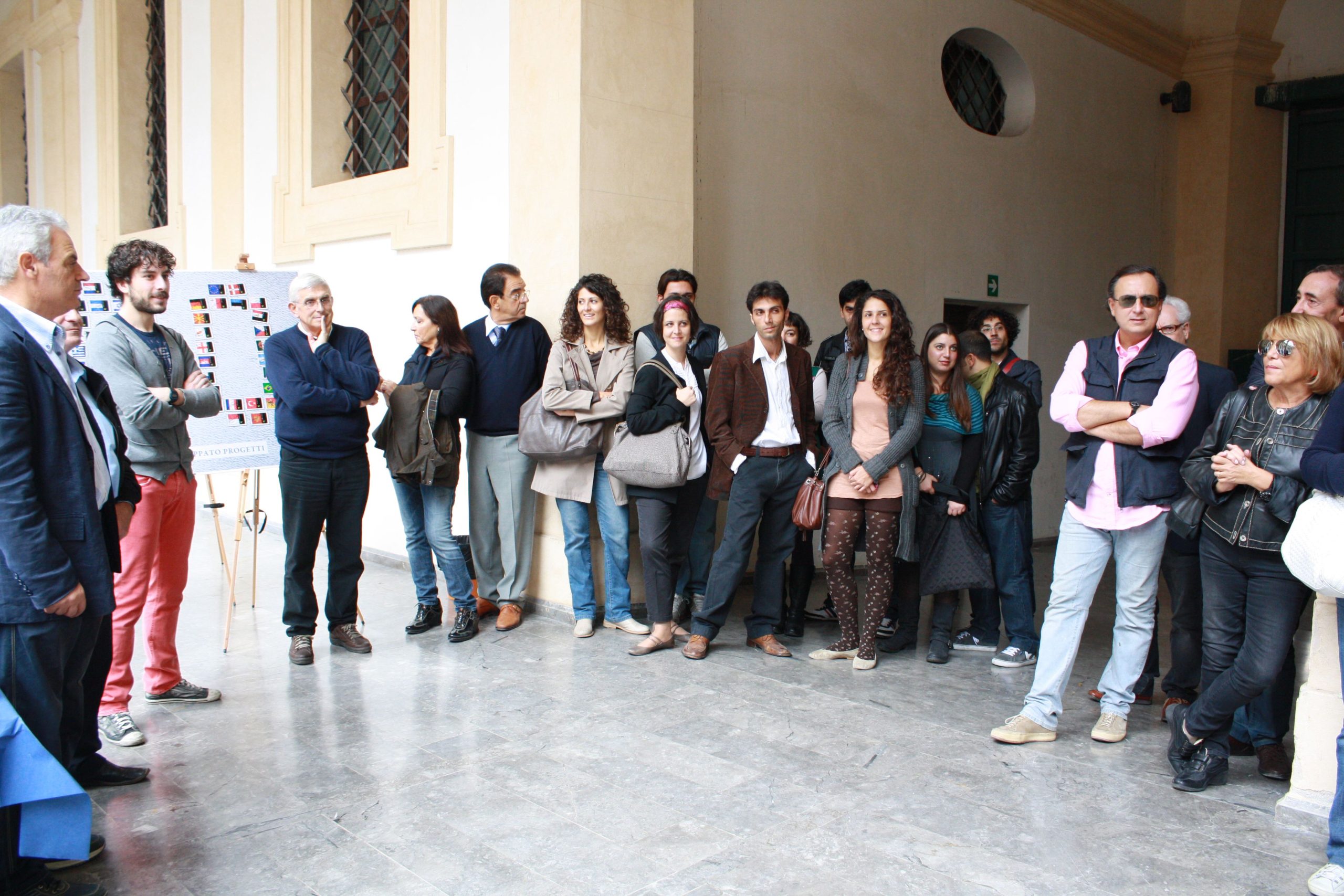
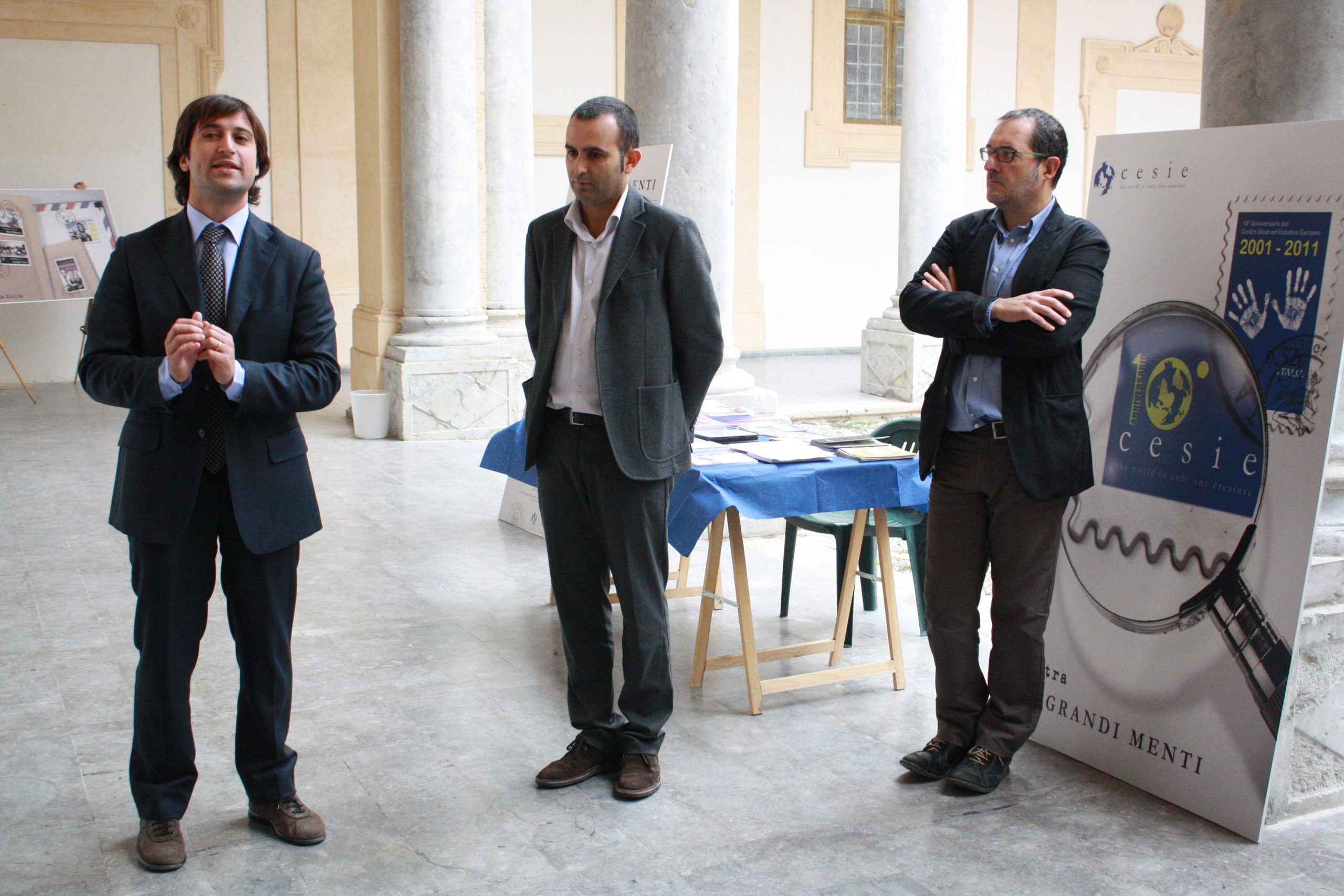
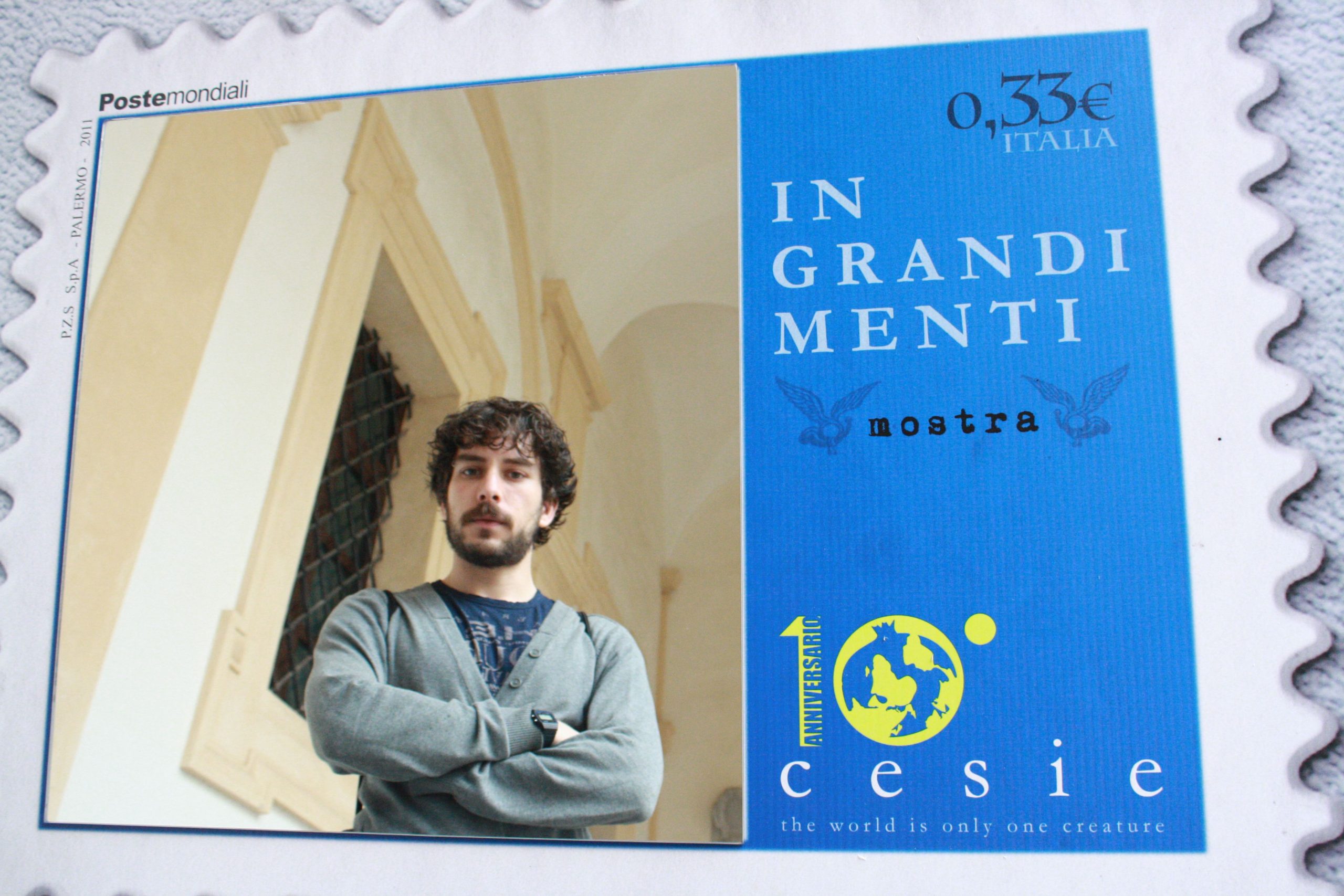
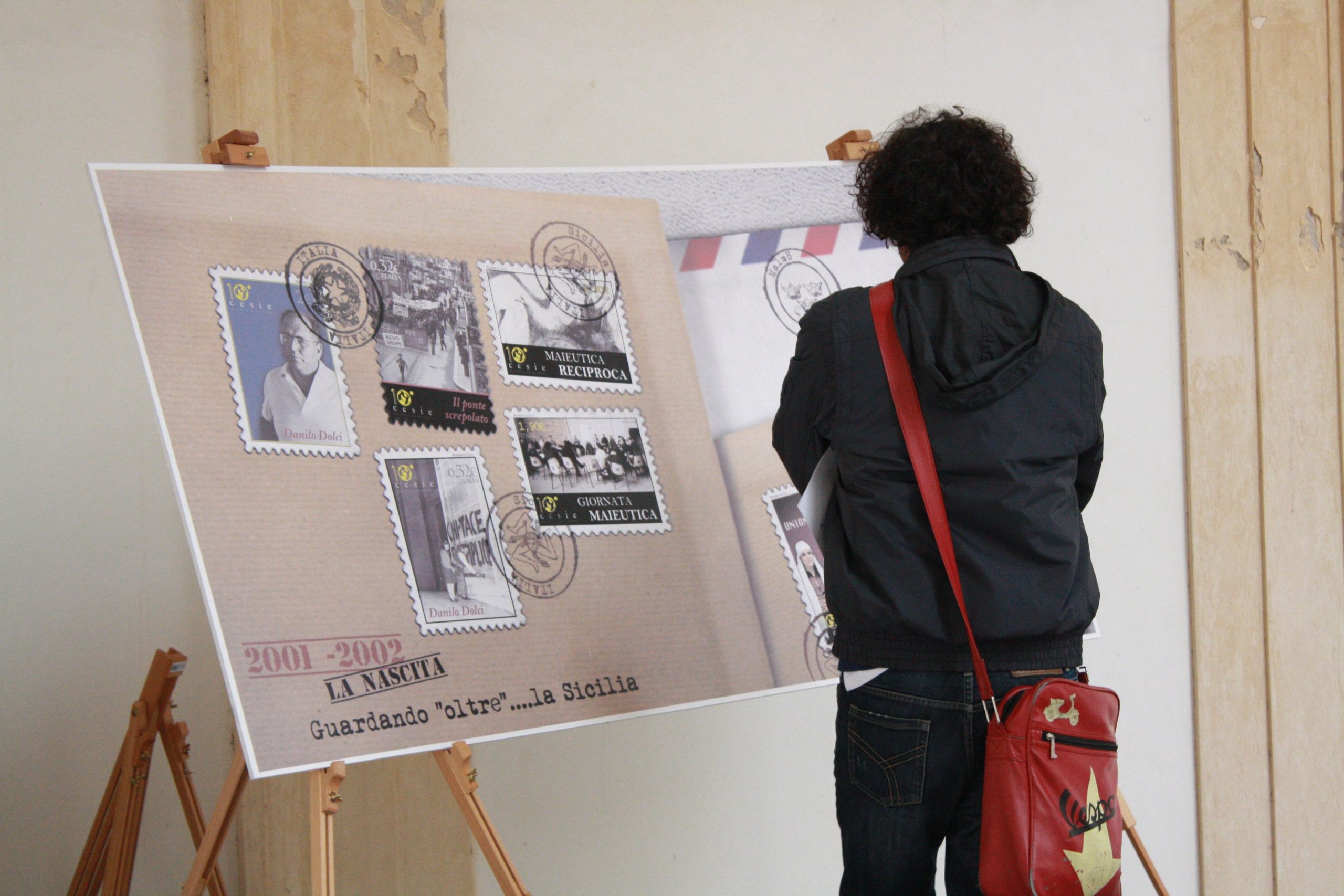
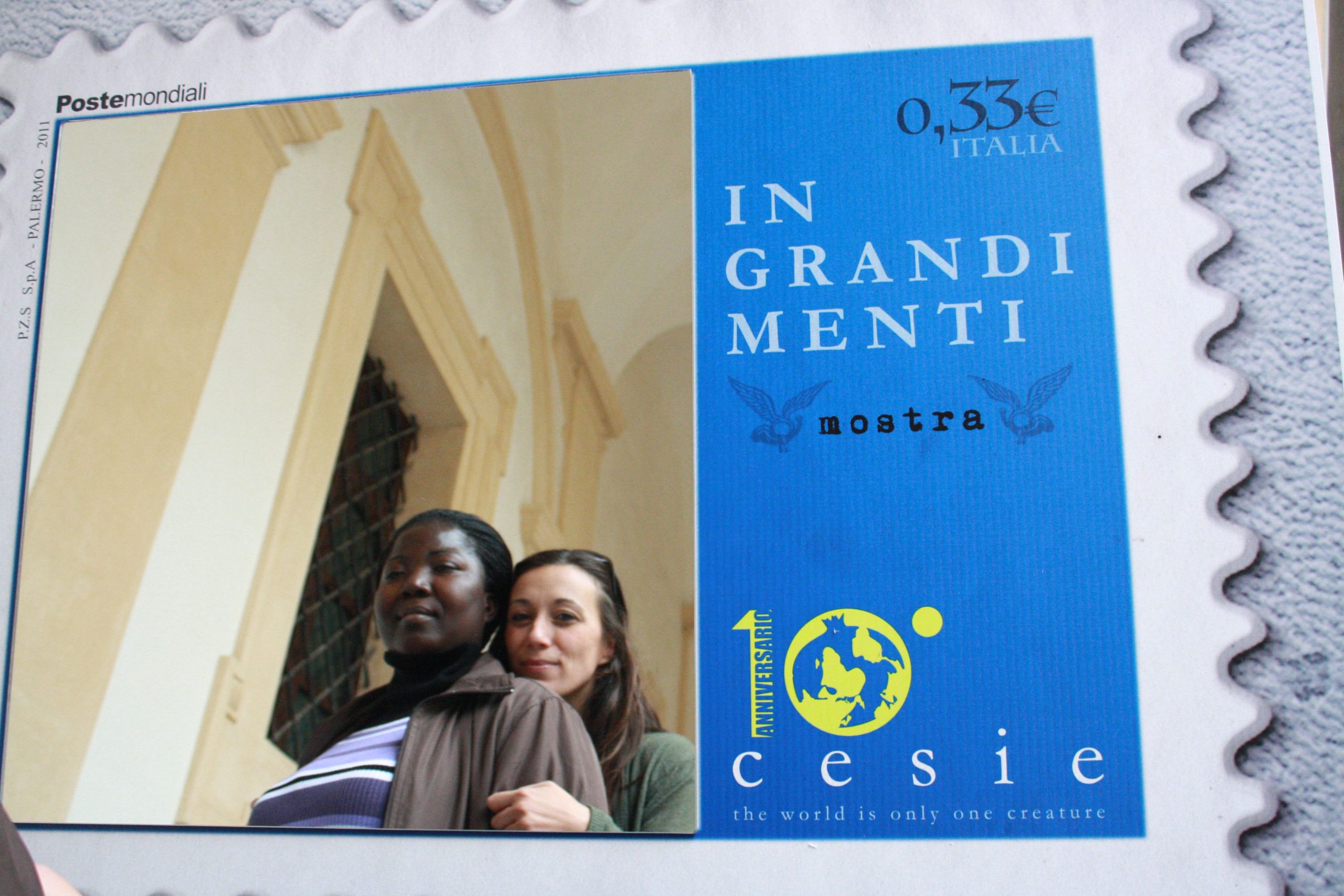
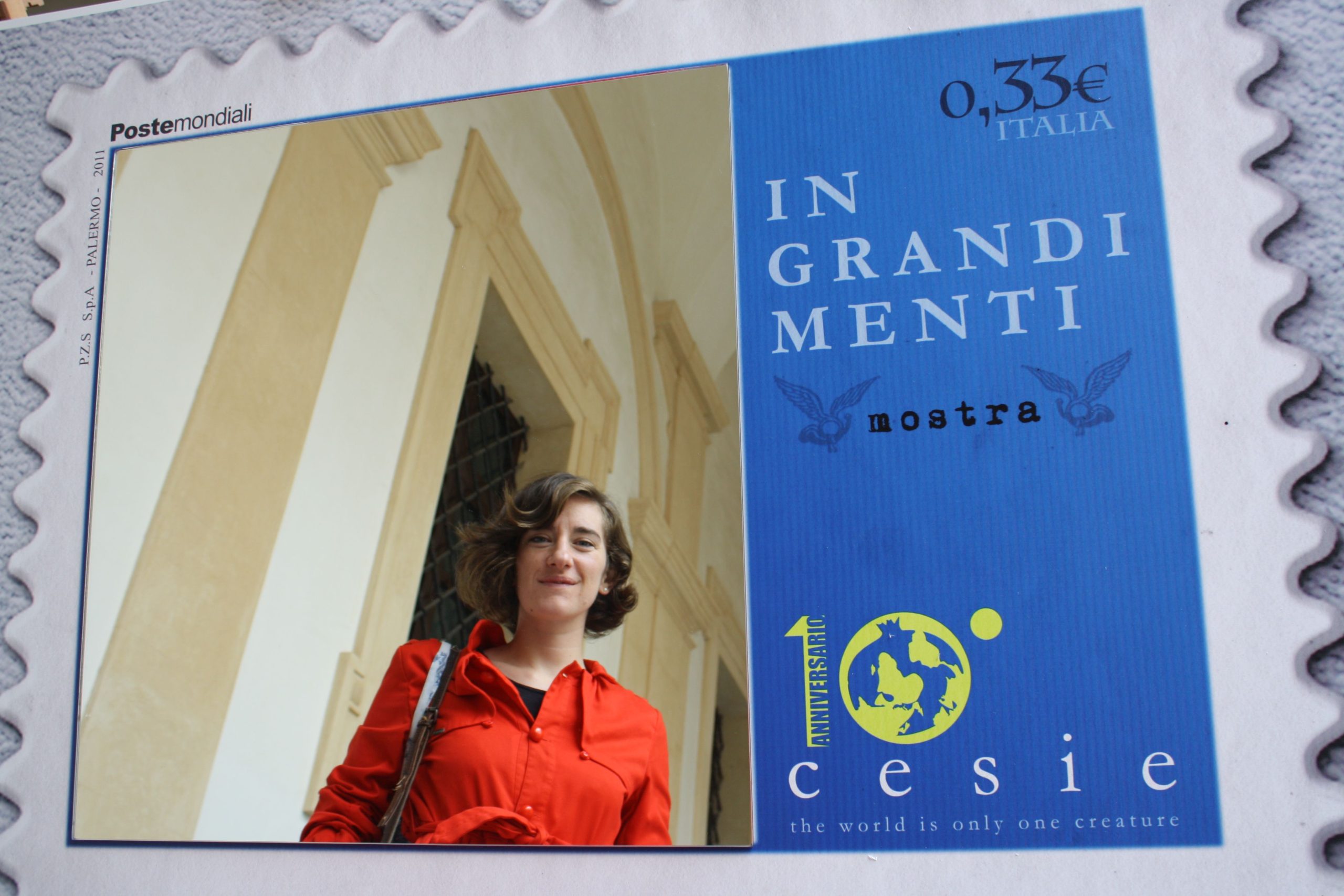
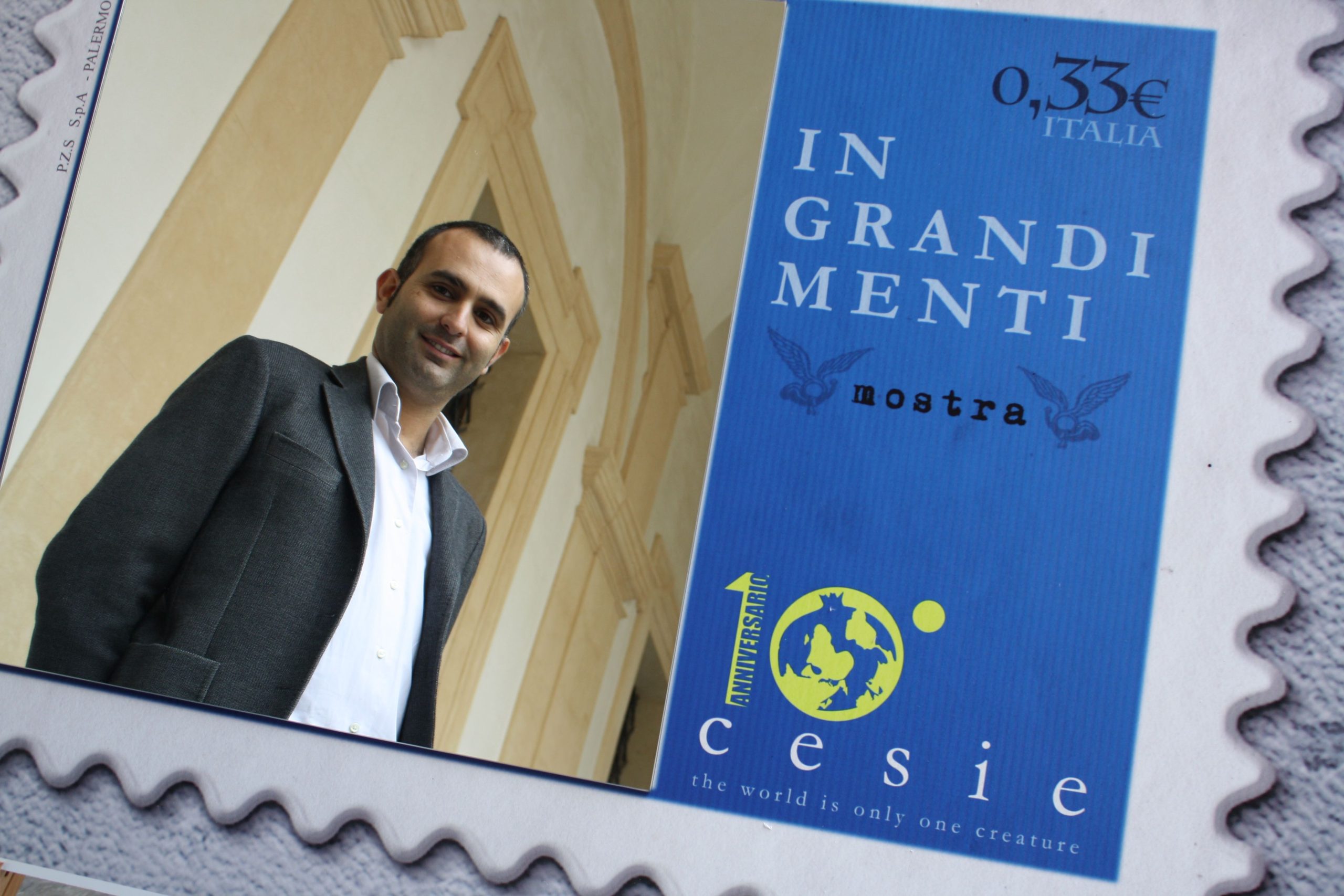
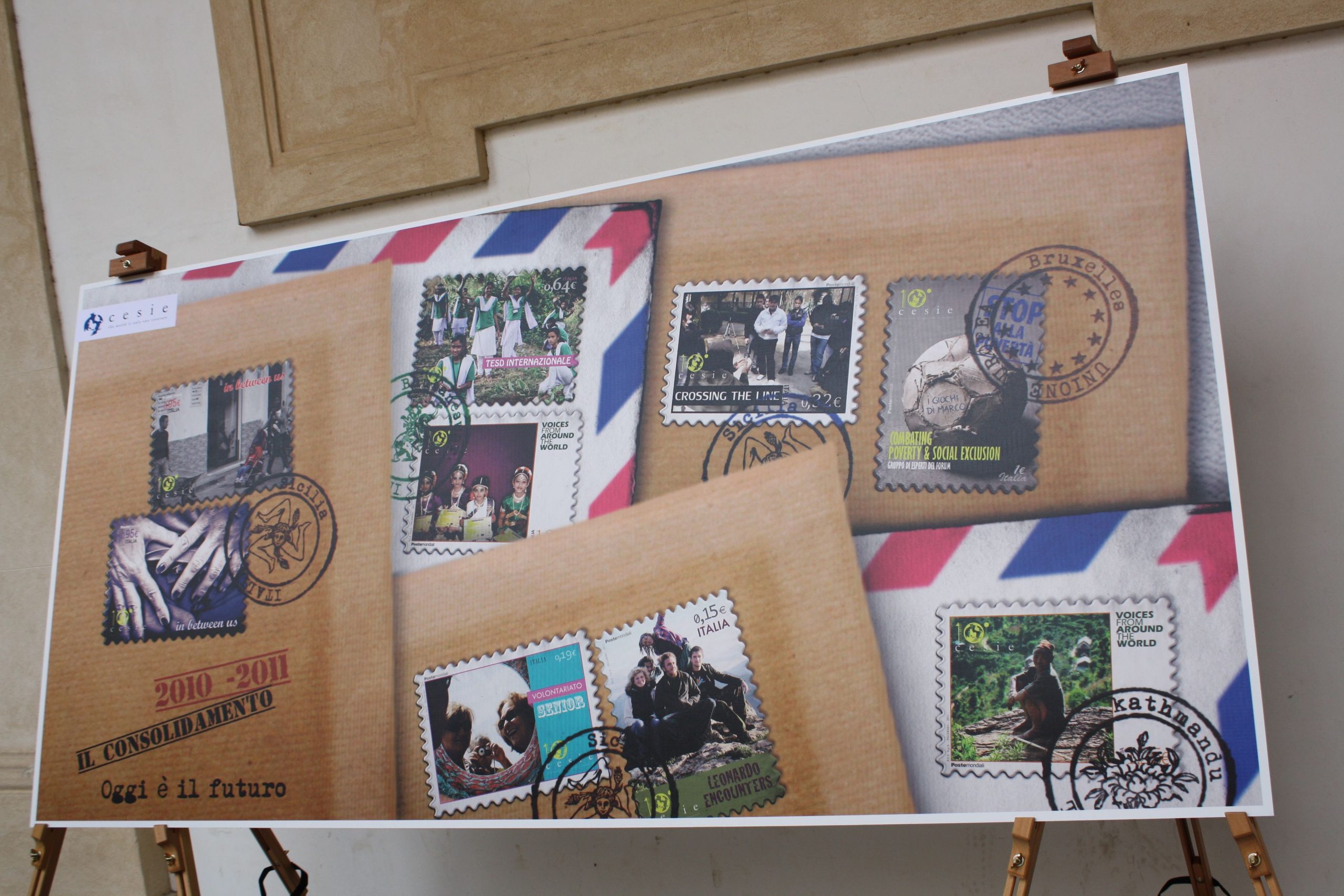
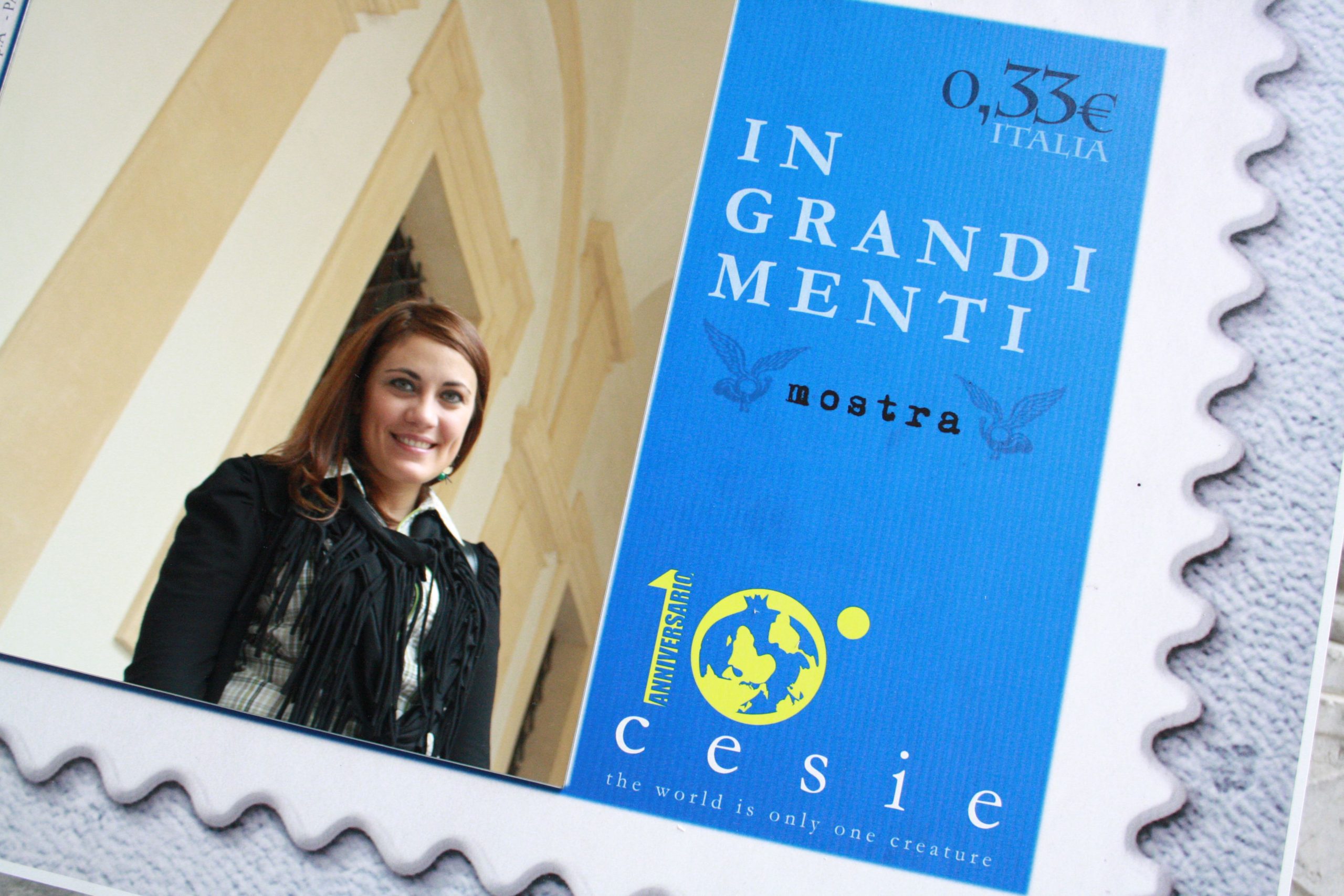
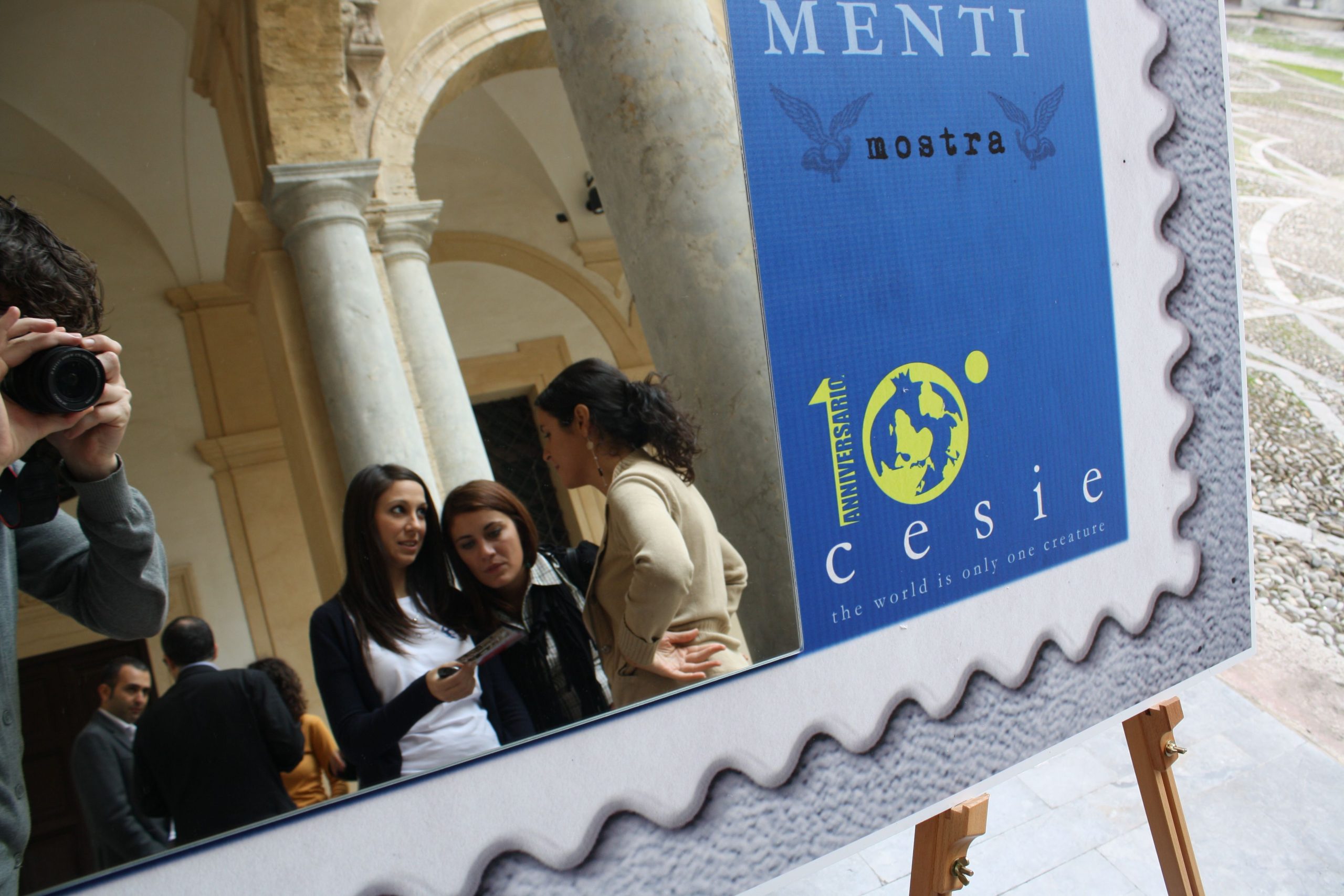
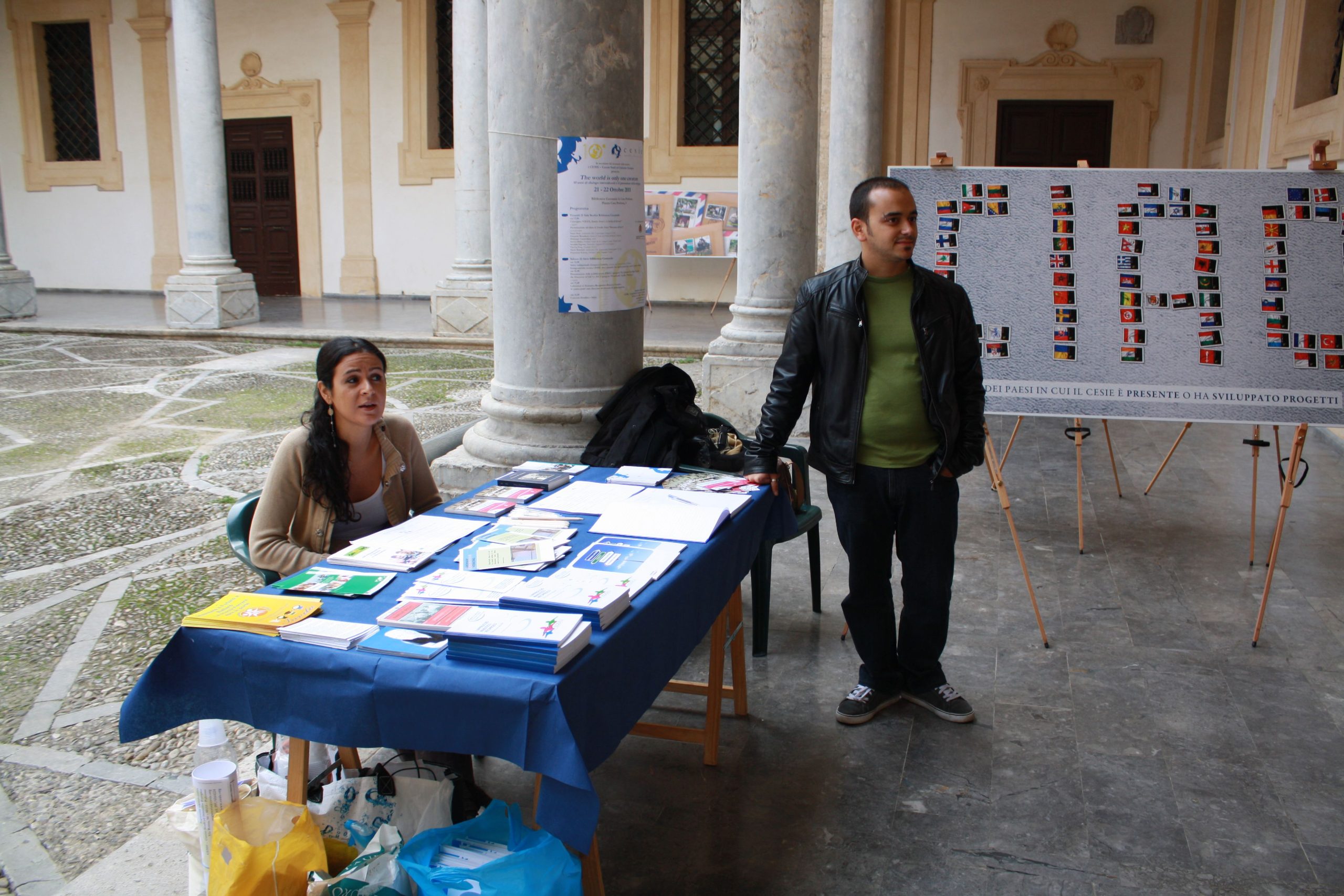
On Saturday morning, at 12.00, there was the opening of “In grandi menti”, the photographic exhibition which traces the history of CESIE, taking place at the Public Library of Casa Professa. Visits to the exhibition are opened until 28 October, from Monday to Friday starting at 08.45 to 13.45, and on Tuesday, Wednesday and Thursday also from 14.45 to 17.45.
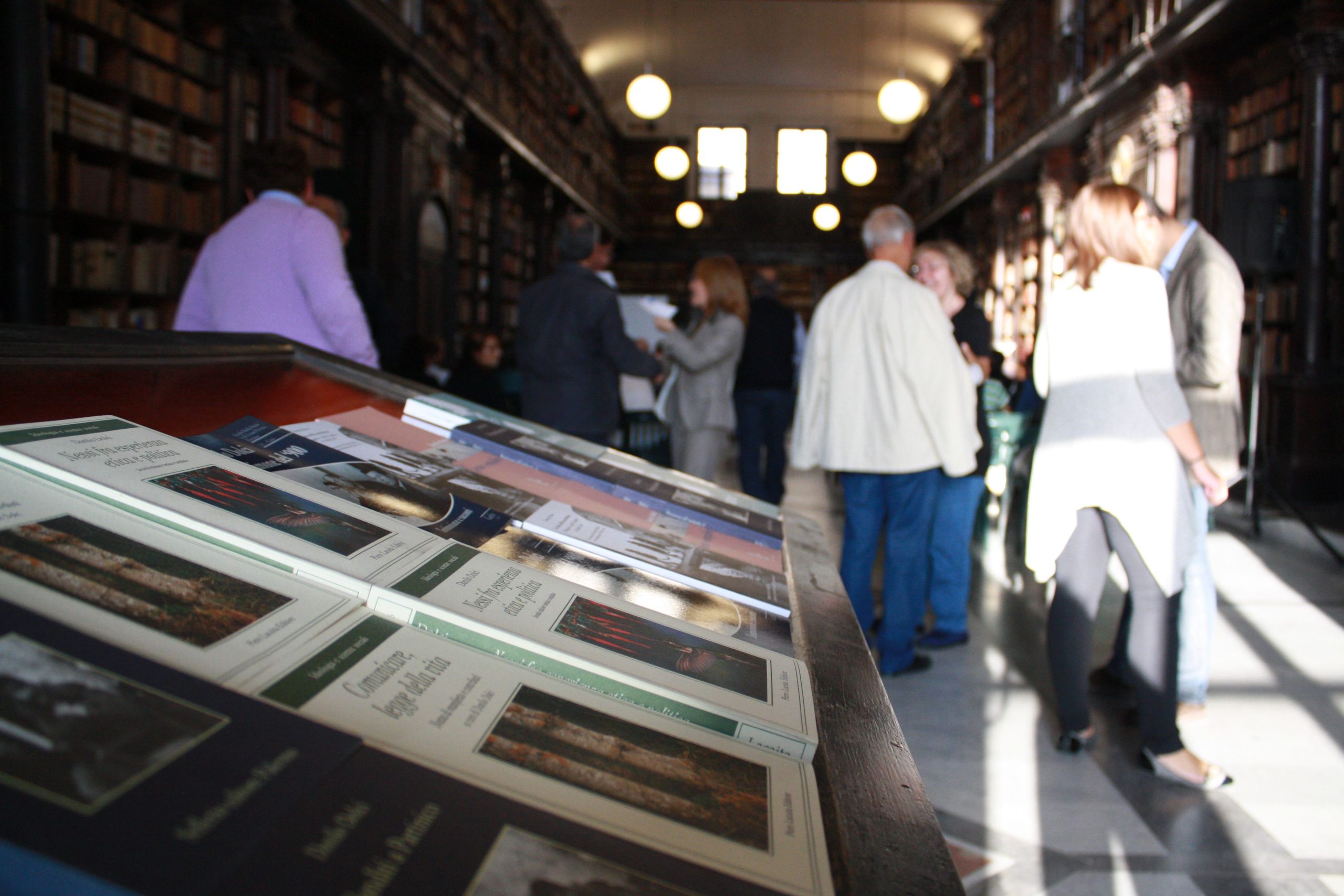
On Saturday afternoon at 16.00 there was the presentation of Eddili and HCT publications, and later a workshop on maieutics conducted by Amico Dolci and another one on creative thinking conducted by Angela Martinez. They both had a great attendance, and anyone was interested in learning the rudiments of such innovative methods.
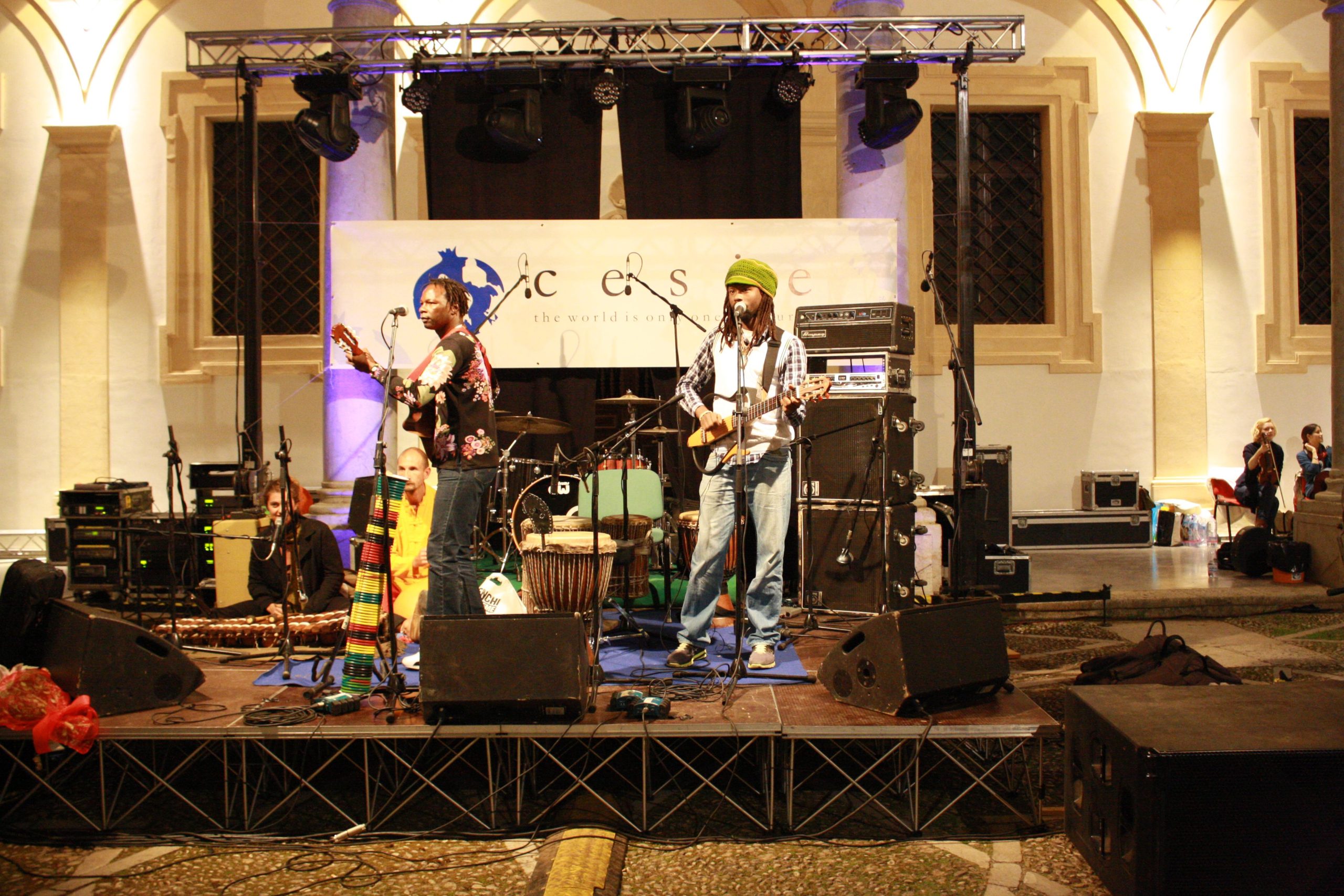
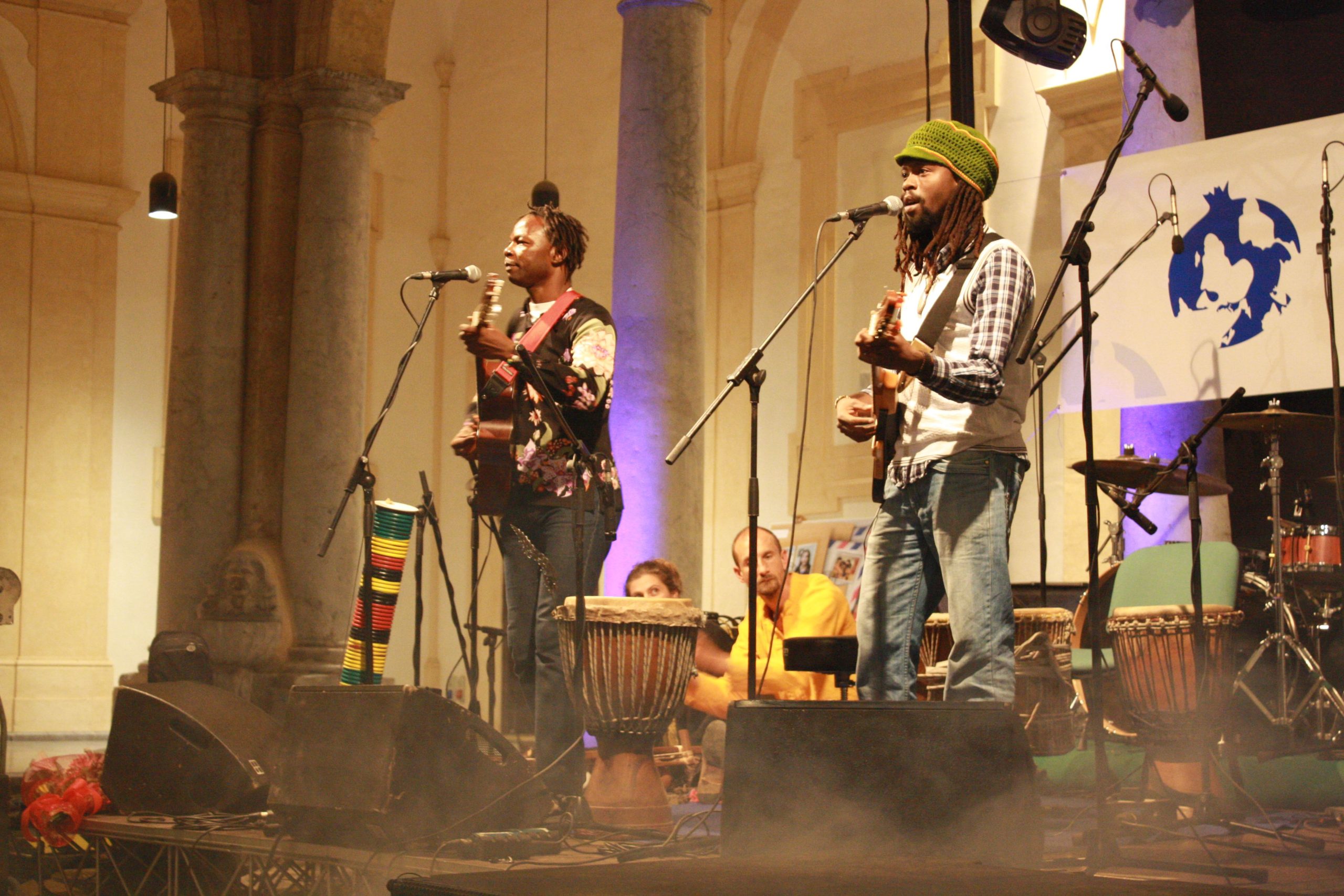
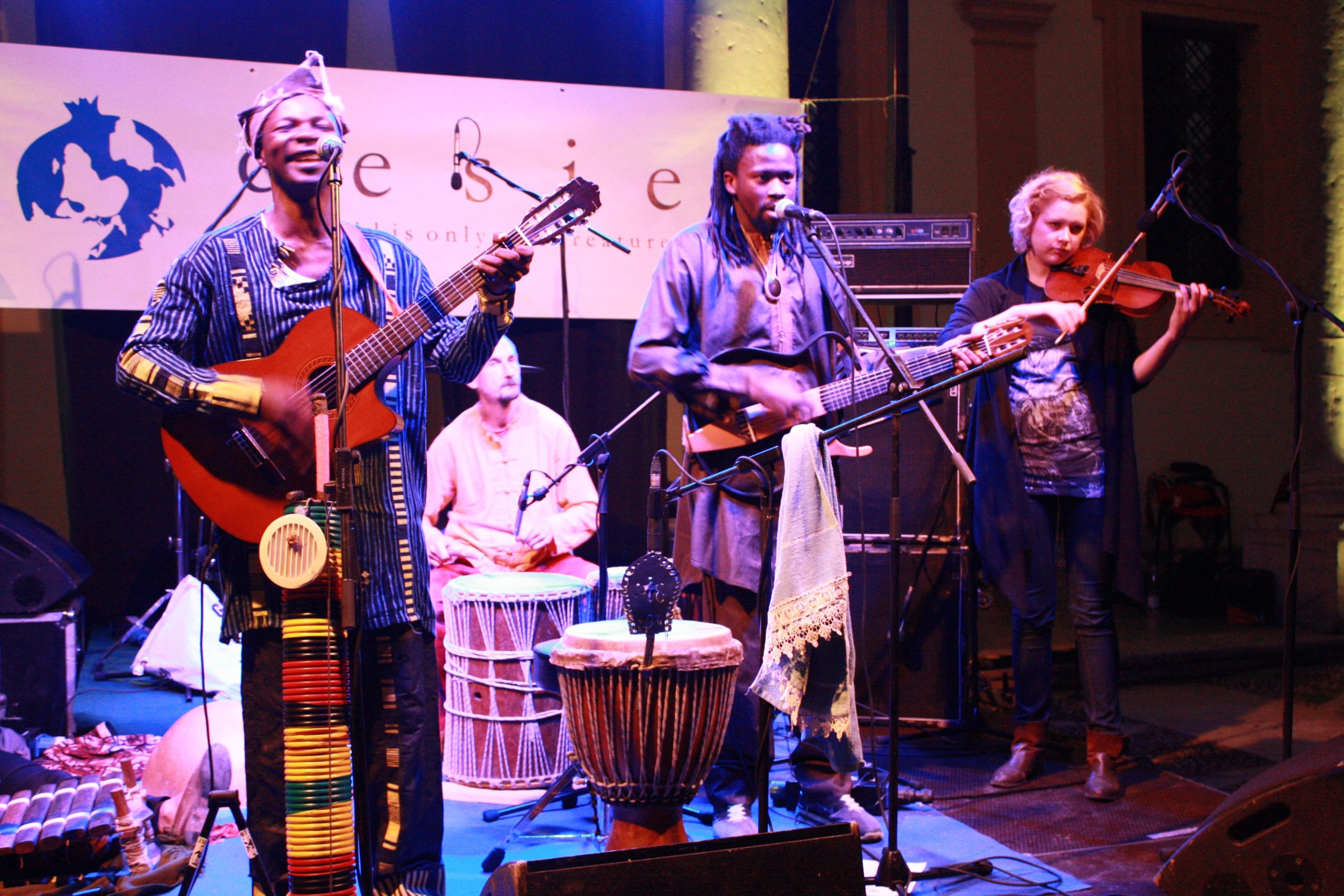
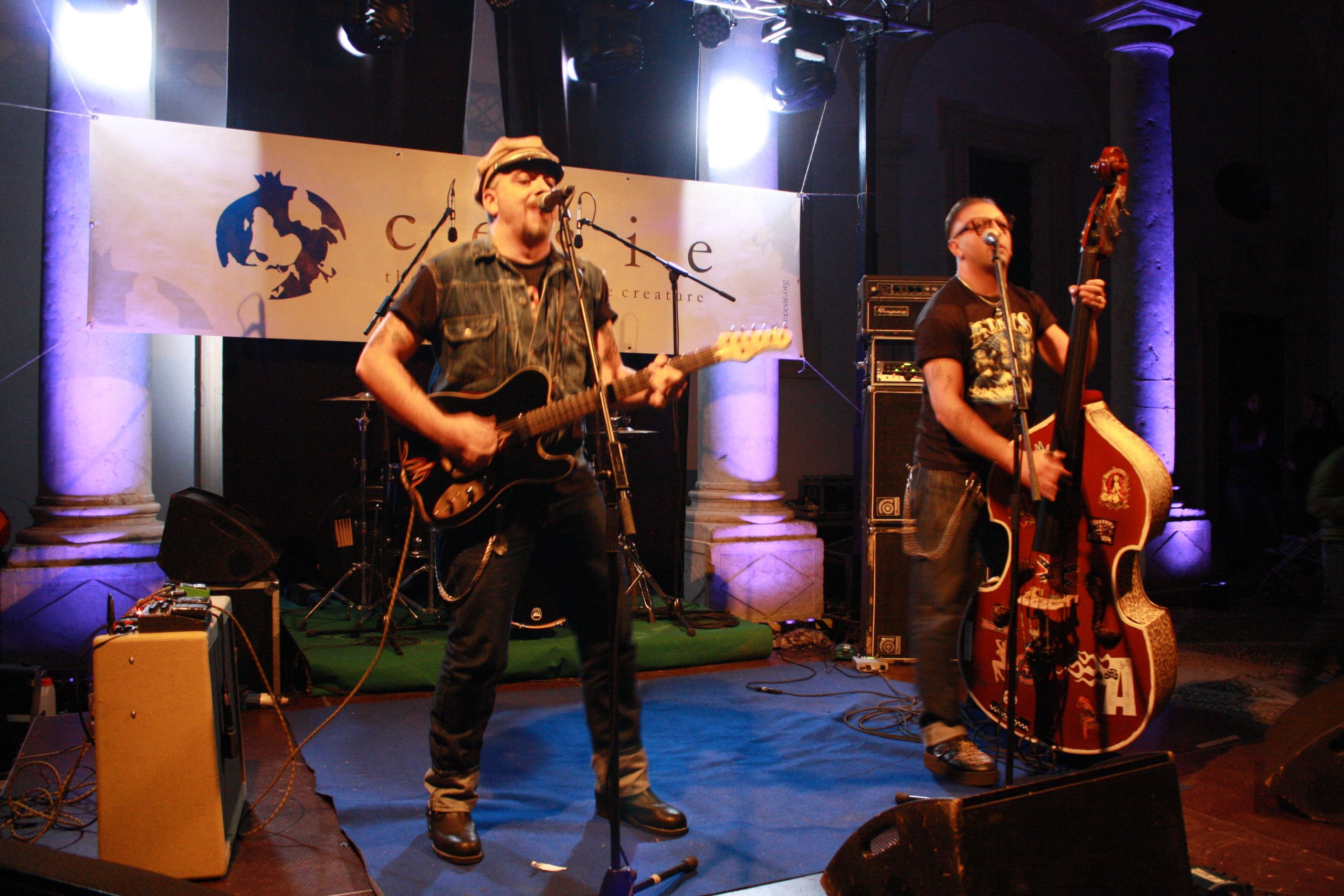
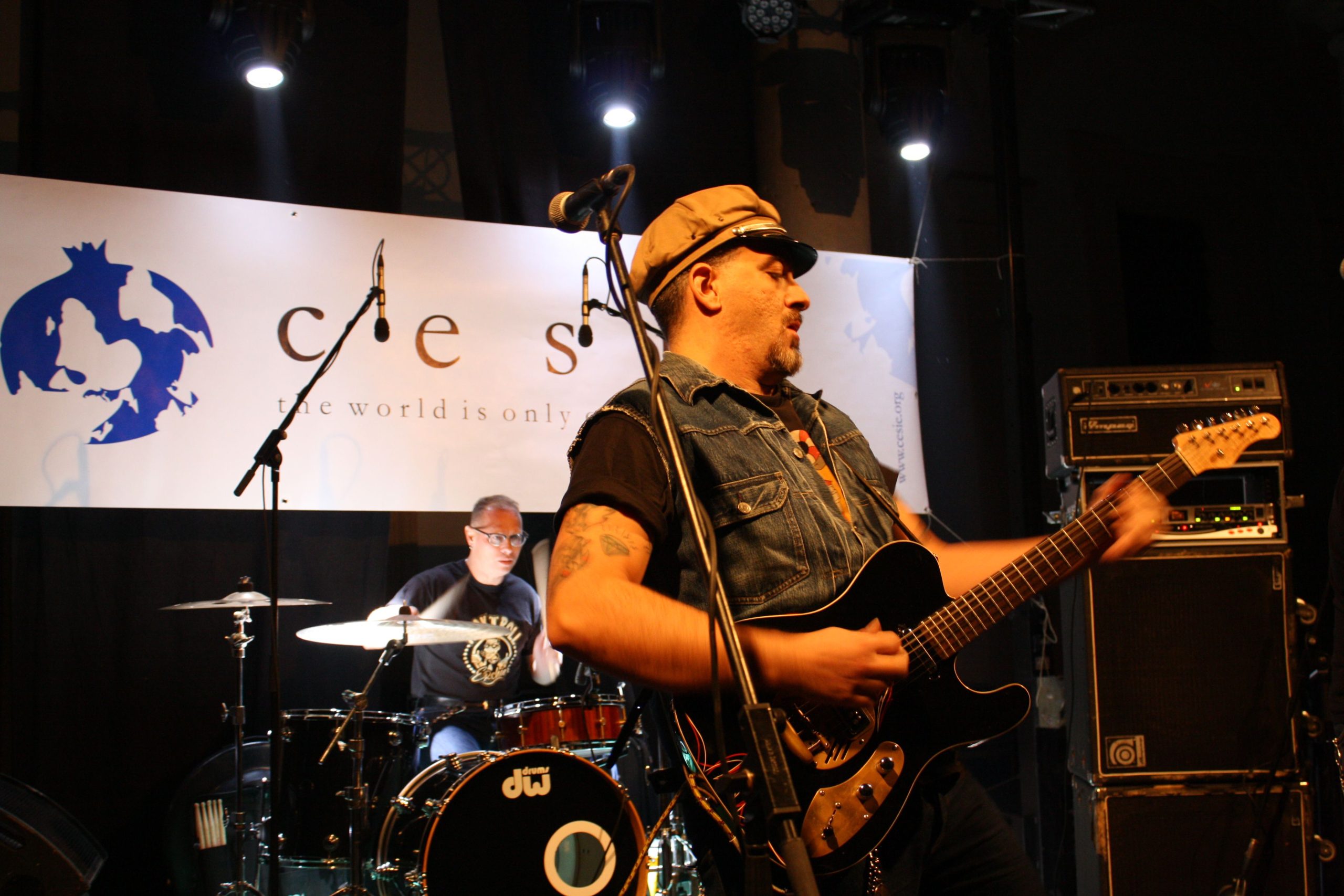
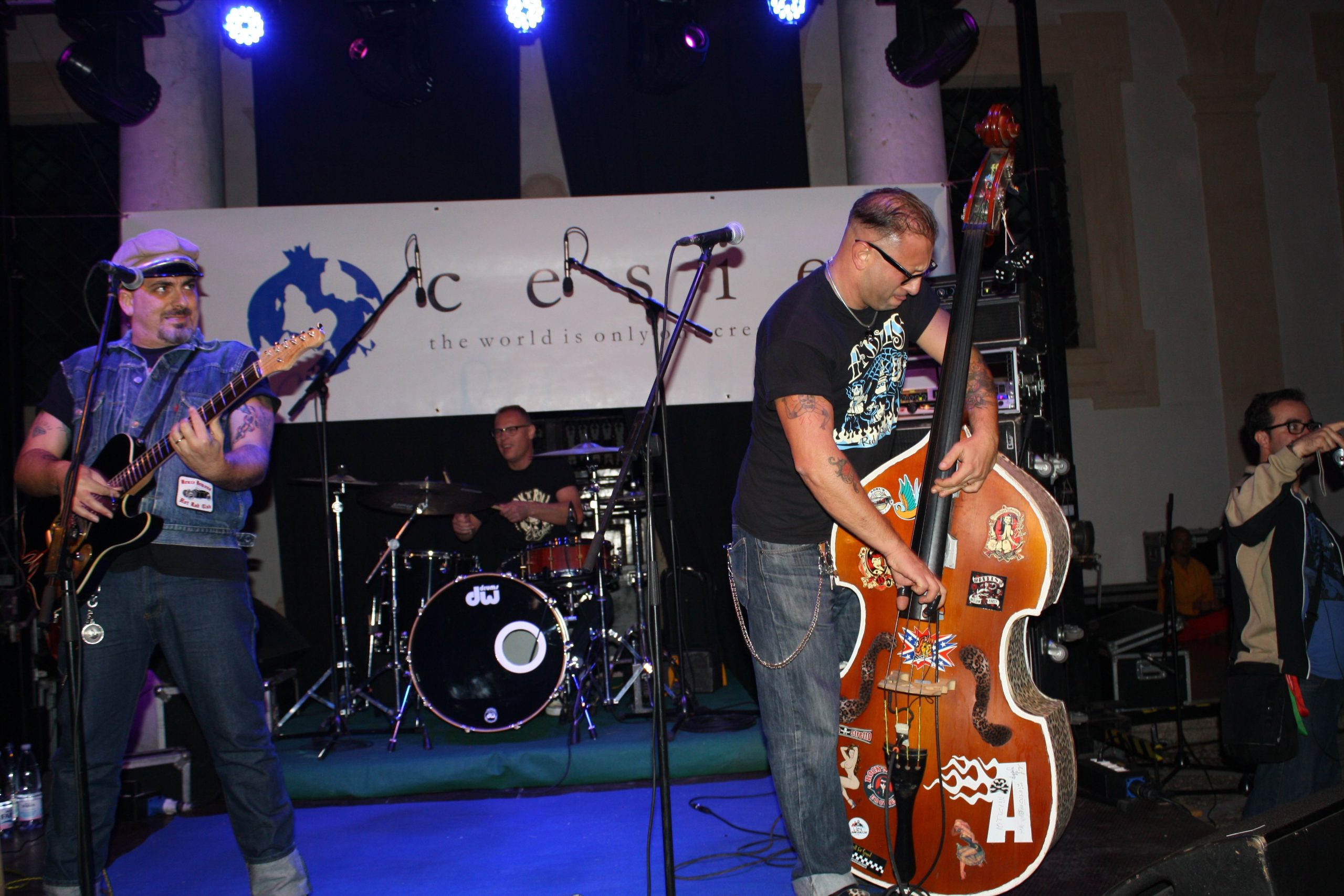
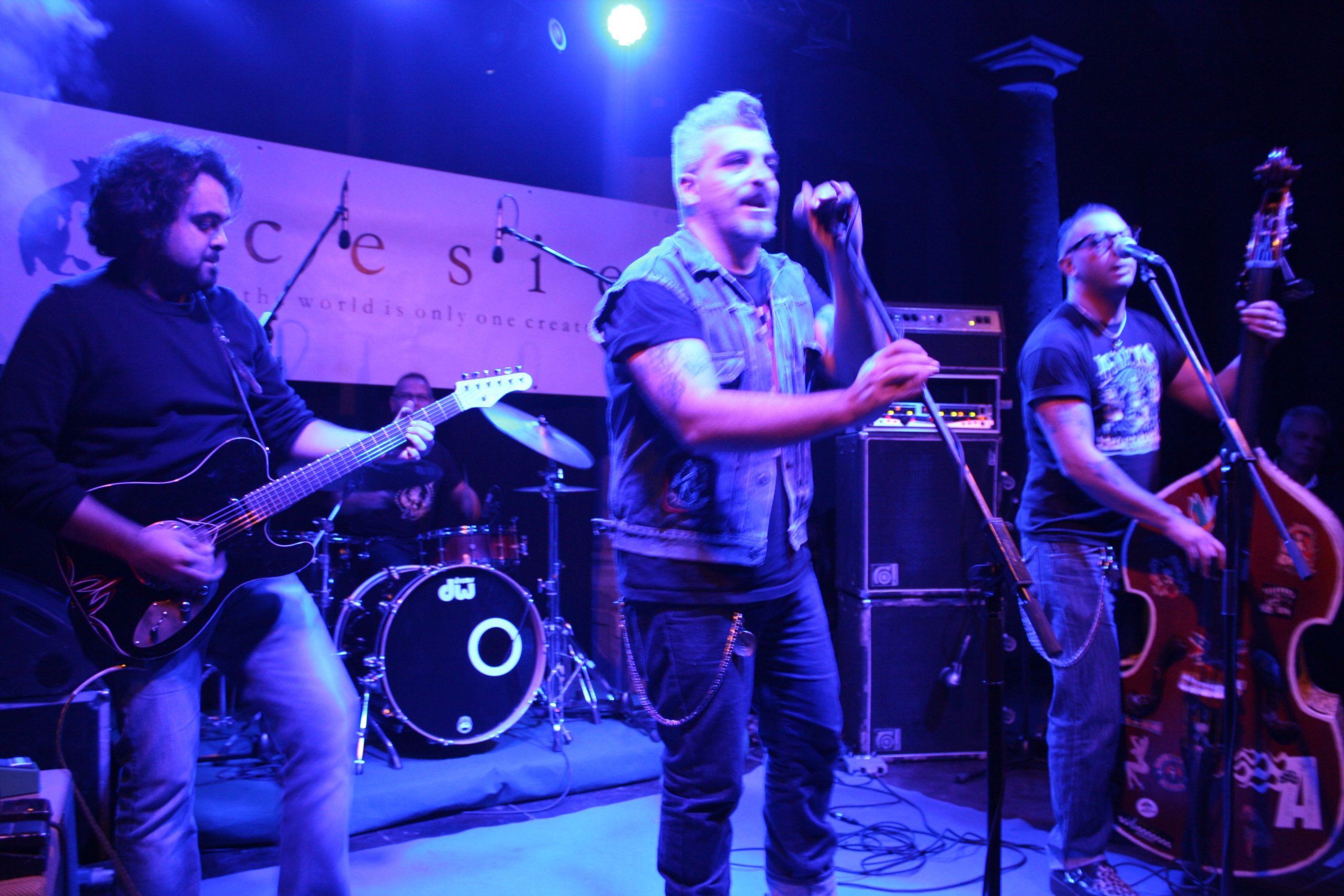
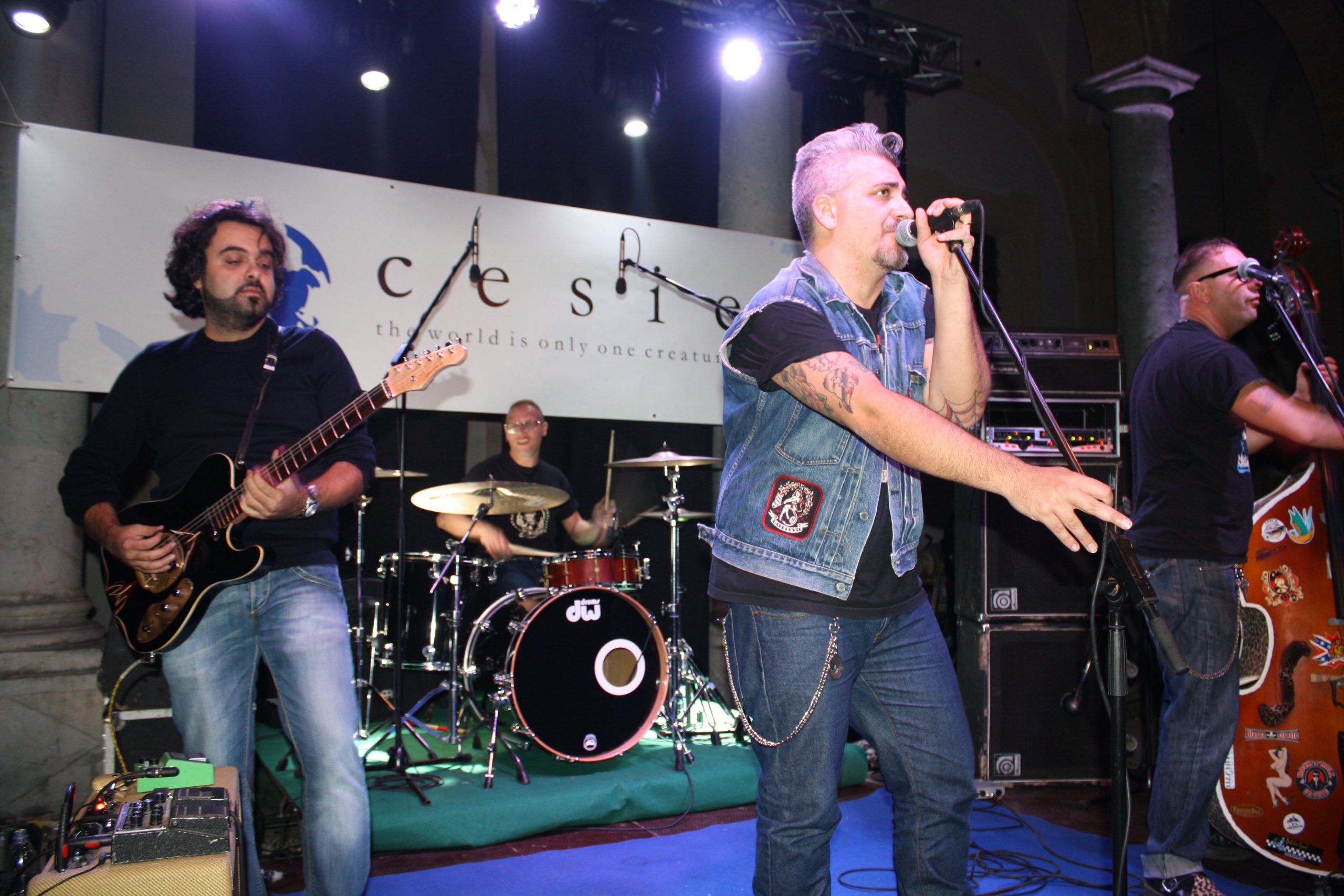
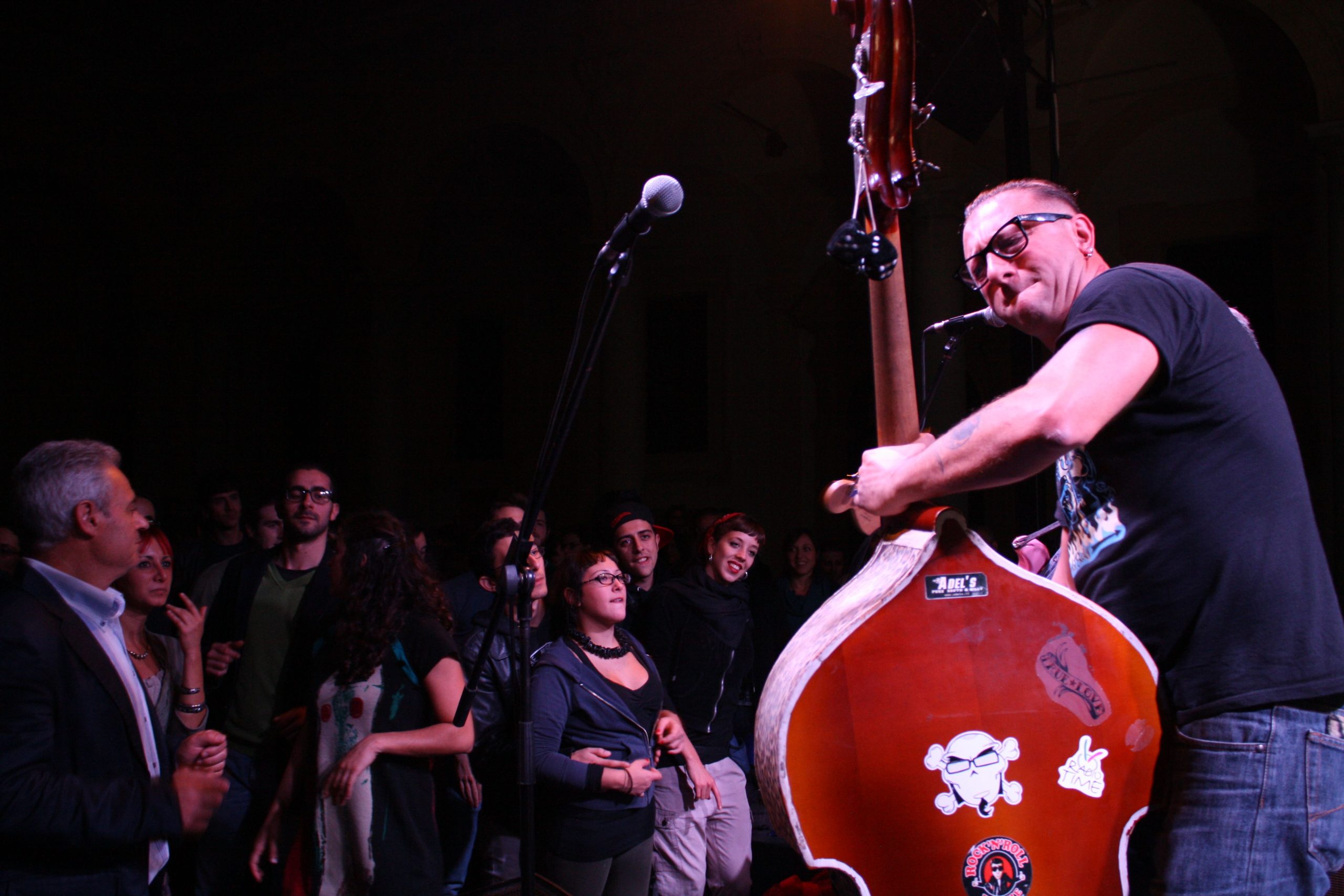
At the end of the day, there was Doudou’s and Adels’ concert, whose public was made of CESIE’s past, present and future friends!