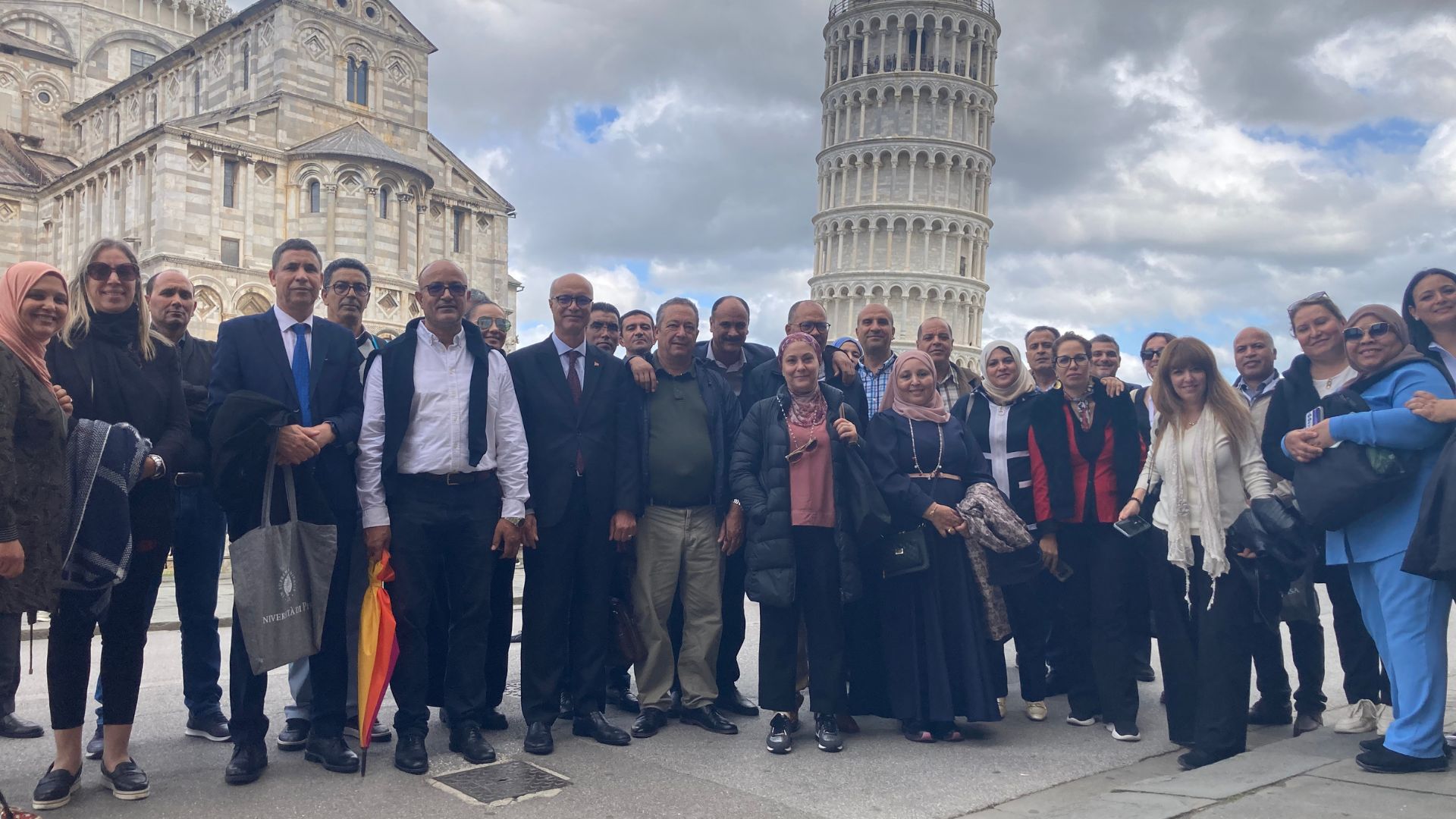
DIRASA offers an opportunity to strengthen the competencies of Tunisian universities, promote effective research management and build bridges of cooperation with the European academic world.


Contributes to the development of society, innovation and knowledge.

Help develop measures to counter violence and discrimination.

Supports adults in enhancing skills to promote their professional growth and participation in social and civic life.

Promotes quality and efficiency in education.

Supports and promotes educational activities, training courses and mobility projects aimed at young people.

CESIE ETS is a European center for studies and initiatives based in Palermo, Sicily.
DIRASA offers an opportunity to strengthen the competencies of Tunisian universities, promote effective research management and build bridges of cooperation with the European academic world.
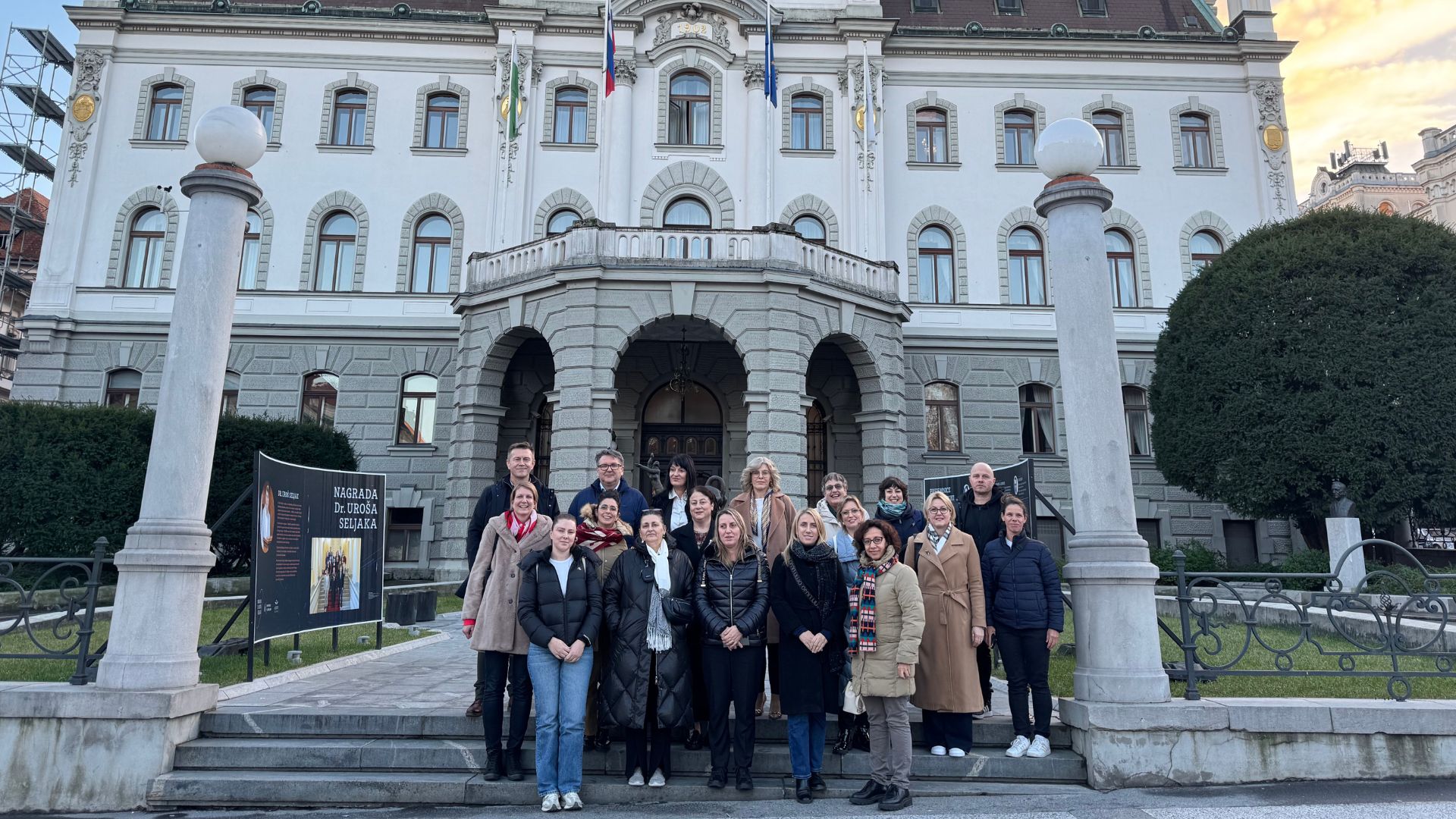
SuProM aims to provide universities with the tools and resources necessary to enhance their project management capabilities through collaboration and knowledge exchange with EU universities and partners.
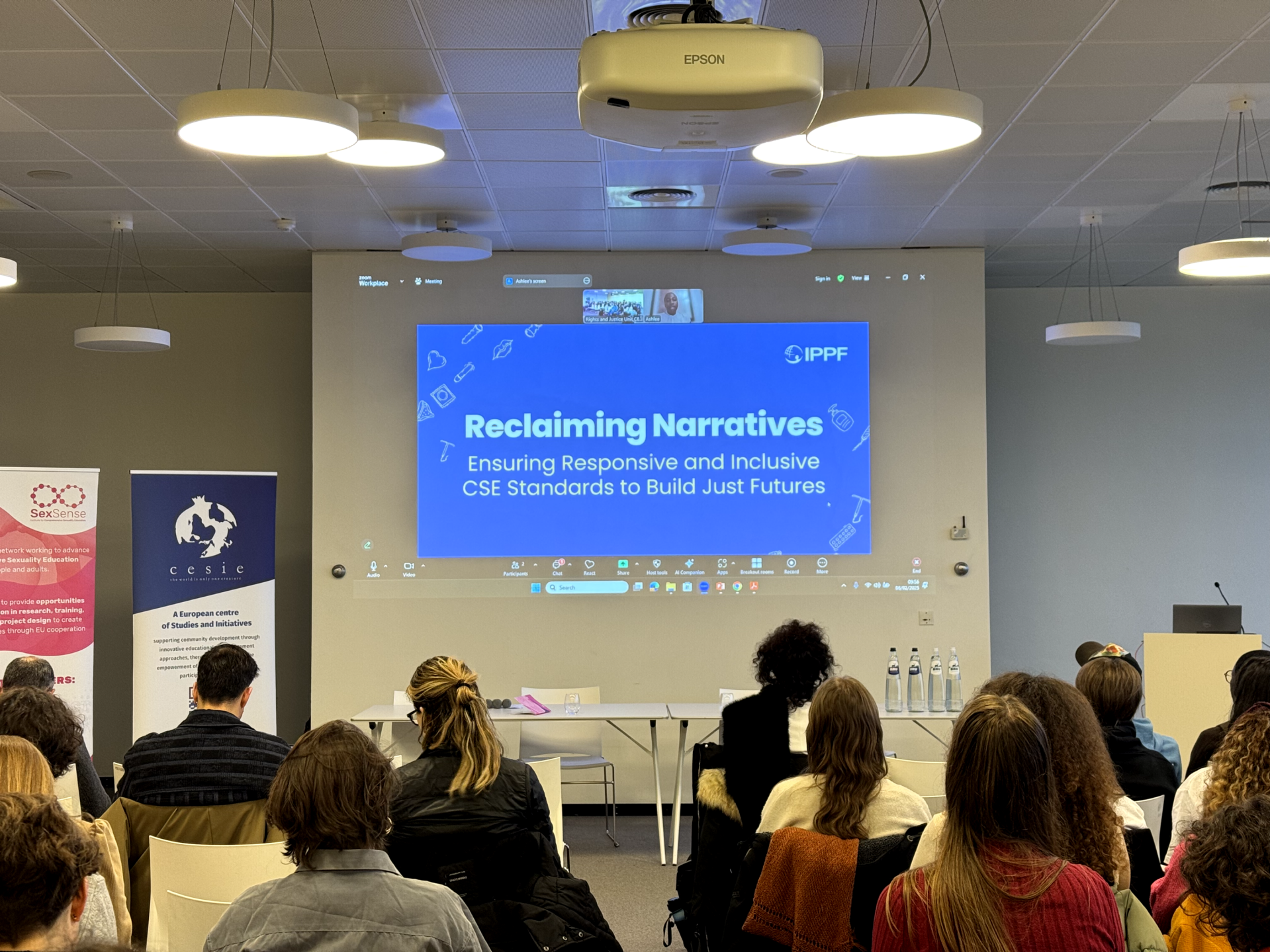
The Gender Talk Symposium: CSE advocacy, combating online GBV. Inclusive education, media literacy, and a European manifesto to advance sexual health.

On January 20, 2025, the European Commission and the European Digital Services Council updated the Code of Conduct+ to counter illegal online hate, now part of the Digital Services Act (DSA). Signatory platforms, including Facebook, YouTube, and TikTok, pledge to quickly remove reported content, increase transparency on algorithms, and collaborate with experts to prevent the spread of hate, ensuring compliance with EU laws.

The Year of Victims’ Rights is a year-long campaign advocating for a more just and inclusive society for victims of crime. As a proud member of VSE, CESIE ETS is committed to fostering awareness on the importance of victim support.

The Critical Incident Technique (CIT) is a research method designed to analyze human behavior by collecting and categorizing direct observations of incidents that hold significant meaning within a particular context. SUSIEE integrates this powerful methodology into its workshops, emphasizing experiential sustainability and interculturality.
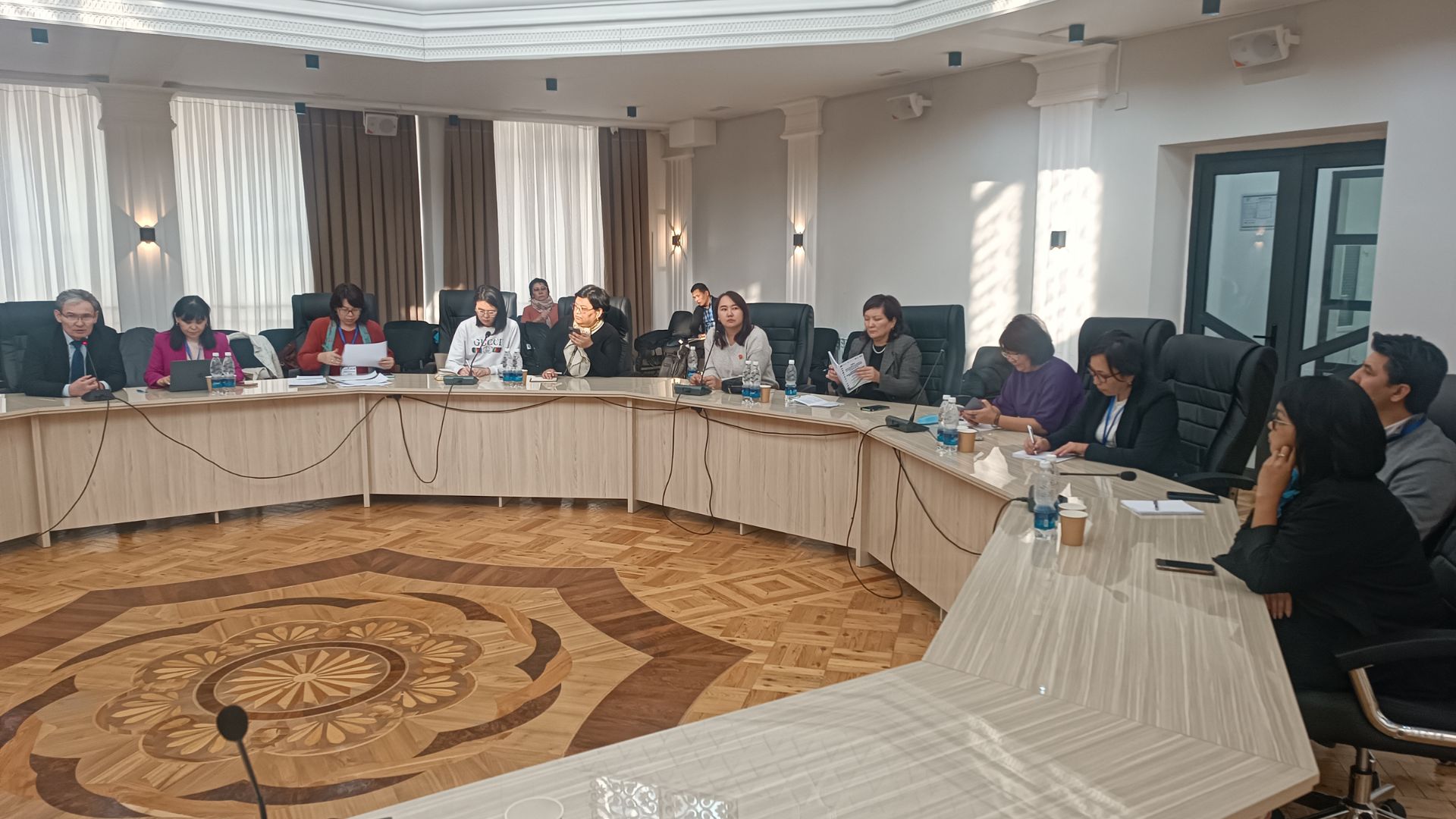
Through DEFA, universities and the Ministry of Education and Science of the Kyrgyz Republic have developed a 2024-2030 Strategy and a financial autonomy Model, essential tools for supporting the financial independence of higher education institutions in the country.
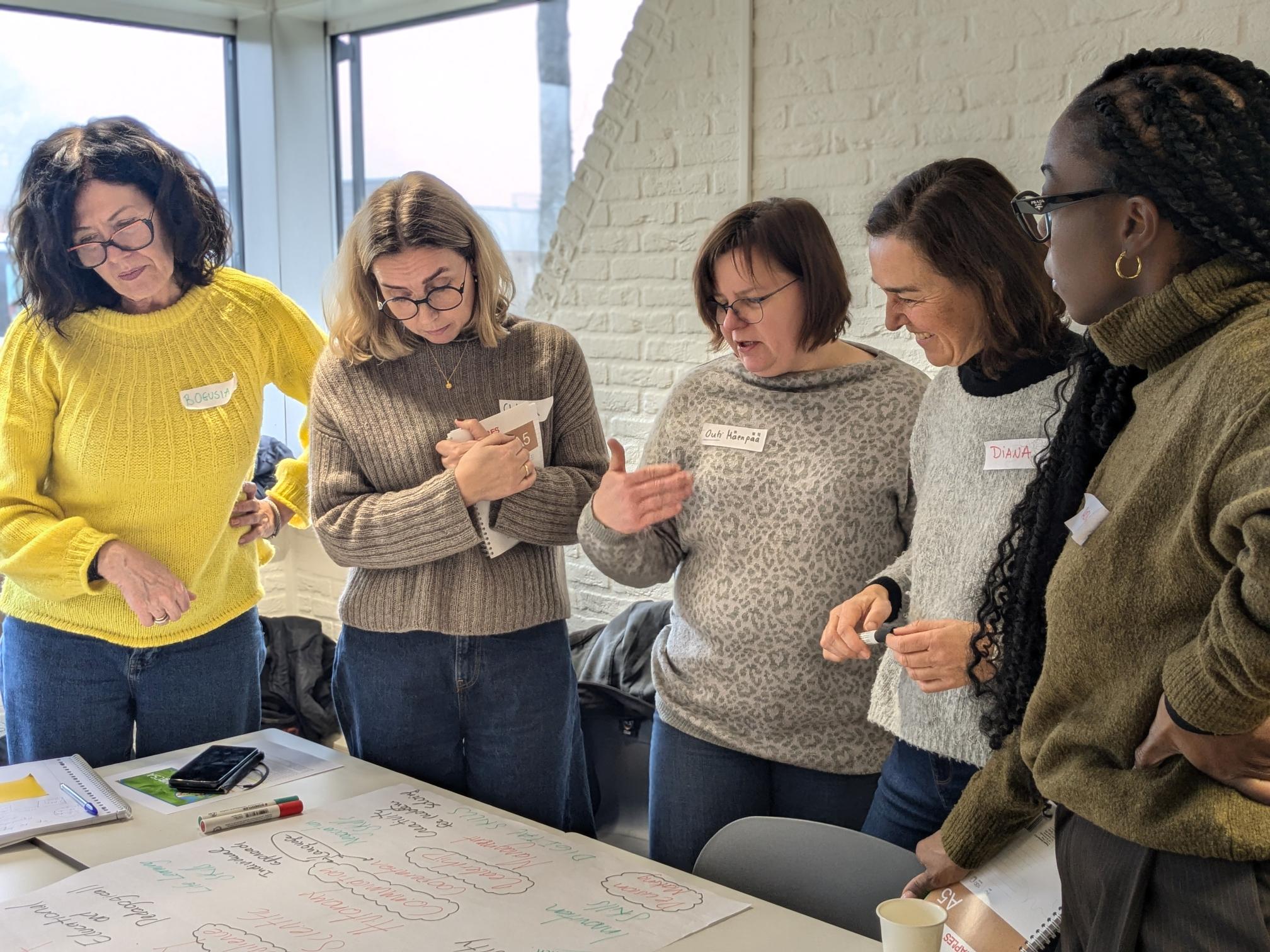
EVECSA partners gathered in the Netherlands to discuss climate-smart agriculture strategies, highlighting regional differences and common challenges. The Danish Agrifoodcluster was presented as a model for collaboration between business, education and research. The meeting defined key themes for future educational offerings, such as agroecology, renewable energy and precision agriculture.