Promoting a more inclusive and engaging approach to teaching computer science is now a key challenge for the education sector.
In response to this need, TINKER was launched – a training programme involving 40 teachers from primary and lower secondary schools in Palermo.
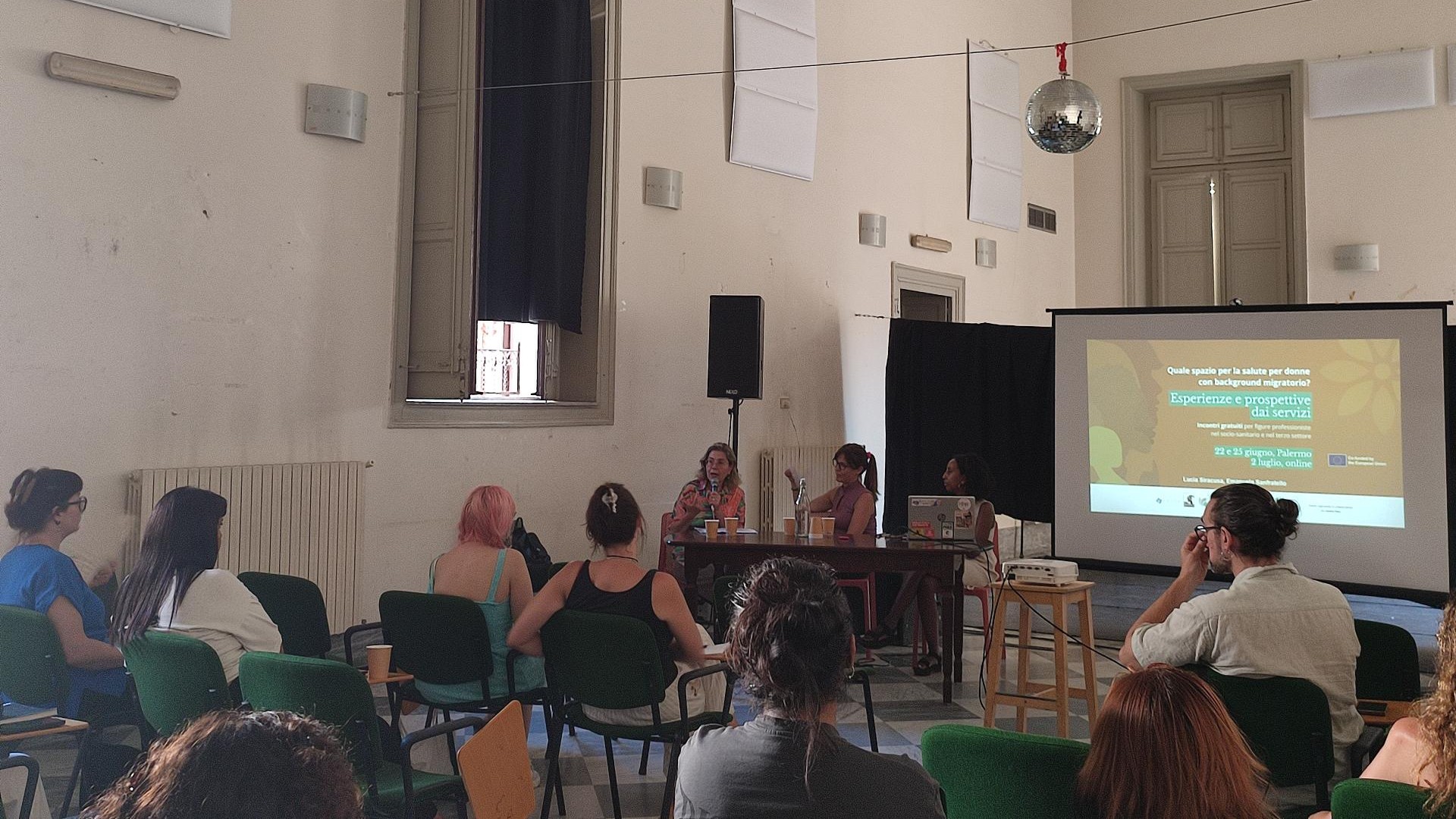
Between November and February, the activities took the form of both face-to-face meetings and online sessions. Through the use of the TINKER handbook, the simulation of learning scenarios and opportunities for discussion, the teaching staff had the chance to discuss and reflect on key issues such as gender inclusion and authentic learning methodologies – based on hands-on activities and the use of real-world tasks – in the teaching of computer science.
The training programme was designed to address the growing need to create gender-inclusive learning environments. At the same time, the training initiative promoted the adoption of innovative teaching practices, aimed at strengthening teaching staff’s digital skills and improving the overall quality of teaching.
TINKER involved the Palermo schools Borgese Partanna Mondello and Colozza Bonfiglio, thanks to collaboration with the Office for Compulsory Education and the Fight against Early School Leaving of the Municipality of Palermo, an associate partner of the initiative. The Maria Immacolata school in Rome also joined the activities.
TINKER thus confirms itself as a programme that paves the way for new, increasingly inclusive and participatory methods of teaching computer science, in line with the needs of the younger generation.
About TINKER
TINKER – an authentic learning and gender-inclusive framework for teaching computer science in schools across Europe – is a project funded under the Erasmus+ programme, Key Action 3, Forward Looking.
Partner
- CARDET (coordinatore, Cipro);
- University of Nicosia (Cipro);
- European Schoolnet (Belgio);
- RDPSEA (Grecia);
- University College of Dublin (Irlanda);
- RIJKSUNIVERSITEIT GRONINGEN (Paesi bassi);
- University of Zagreb (Croazia);
- CESIE ETS (Italia);
- KMOP (Grecia);
- Cyprus Pedagogical Institute (Cipro);
For further information
Contact Suzanne Ott : suzanne.ott@cesie.org or Visit the project website.