Victims of domestic violence may sometimes be at risk of having their children removed and taken into care, as they are judged unable to take care of their own children. Domestic abuse is more often than not associated with other factors, such as drug and alcohol addiction, which play a role in the parenting abilities of the group targeted by “Action for Change: Achieving Resilience, Recovery and Choices for women and children following domestic violence” (the ARRC project).
Action for Change is a two-year project, co-funded by the Daphne III Programme of the European Commission, whose aims are:
- To develop and exchange best practice in establishing specialised services to enable women and children to recover and reduce the need for removal of children
- To empower women victims of domestic violence (DV) in steering and delivering the project to ensure services are responsive to their needs
- To develop the ‘invest to save’ business case for establishing specialised services and develop recommendations for establishing provision at local, regional and national level across partner countries
- To improve awareness and understanding of the needs of target beneficiaries and encourage and assist member states to develop service options that address gaps in provision
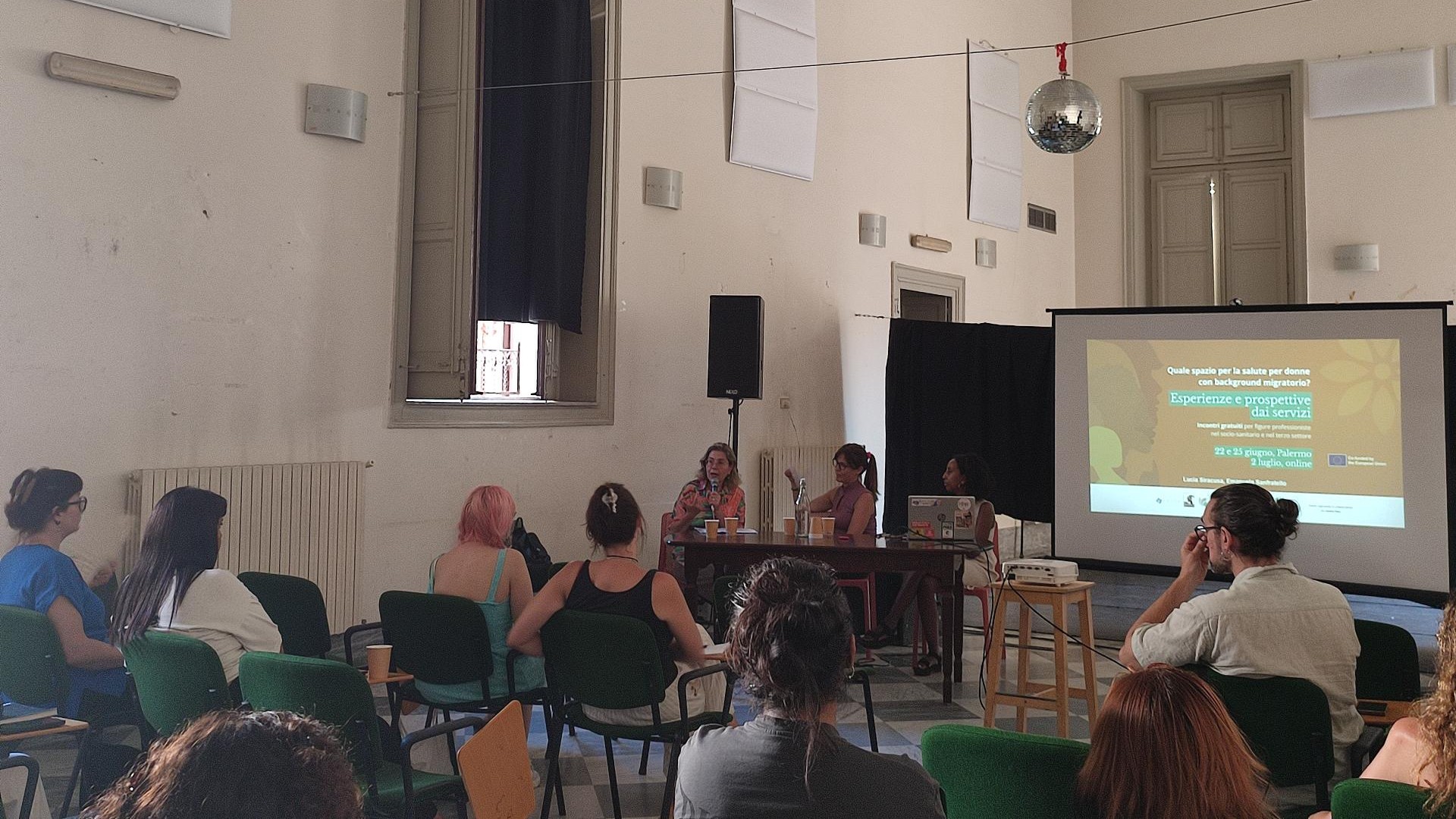
The project team, from 4 EU countries and 7 different public and private institutions, has met for the first time at the premises of the Westminster City Council and of the UK Parliament in London on March 5th and 6th, 2015, in order to plan the activities of the project and run the first Steering Committee meeting and the first Transnational Workshop.
The activities included in the work plan of Action for Change are:
- A desk-based research about the existing services and best practices in delivering support to women who have suffered domestic violence and are at risk of having their children removed;
- The design and implementation of new services for women in the 4 project countries;
- A qualitative evaluation of the pilot services implemented;
- The development of a best practice toolkit for practitioners based on the desk-based research and on the evaluation of the pilot interventions. The rhythm of the activities will be marked by a series of meetings of the Steering Committee and a number of Transnational Workshops held in all partner countries. A Women Shadow Board is being set up, and comprises the representatives from the institutions implementing the pilot projects. The Board will also follow the development of all activities to give guidance to the project team and to provide feedback on their work.
The participating institutions are the project coordinator, the RBKC – Royal Borough of Kensington and Chelsea (UK), Advance (UK), the Centre for Economic & Social Inclusion (UK), the CFCECAS – Center for Lifelong Learning and Evaluation of Skills in Social Work (Romania), G-Led (Hungary), Borgorete (Italy), and CESIE (Italy). Associated partners are the Westminster City Council (UK) and the London Borough of Hammersmith & Fulham (UK).
For further information, please contact justice@cesie.org.

This publication has been produced with the financial support of the Daphne III Programme of the European Commission. The contents of this publication are the sole responsibility of CESIE and can in no way be taken to reflect the views of the European Commission.