On International Women’s Day (in a non-binary perspective, by “women” we refer to all people who identify as such), we remember the struggles that have brought about freedom in political, economic and professional life, and ask ourselves where we truly stand today when it comes to gender equality.
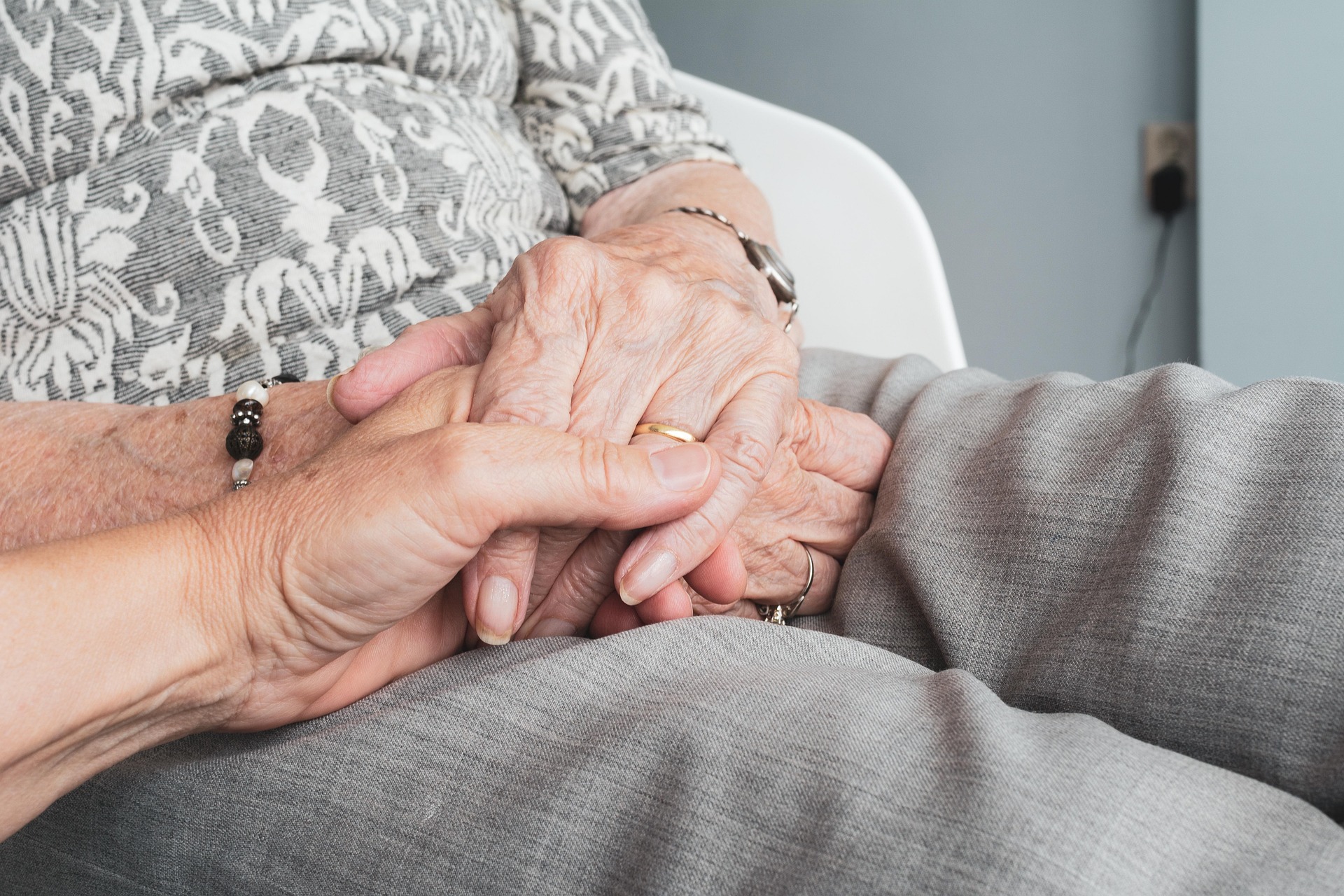
Despite the progress made, data still reveals deep inequalities. Care work, in particular, continues to fall disproportionately on women, affecting their economic autonomy, wellbeing and freedom of choice.
Care work: still overwhelmingly feminised
A recent EQUAL-CARE report found that across Europe, women represent more than two-thirds of the formal care workforce, with an even stronger imbalance in unpaid family care, where women provide the majority of support to children, older relatives and people with disabilities. This reflects persistent gender norms but also policy choices that continue to assume that families – often meaning women – will absorb much of the care burden.
In Italy, women represent nearly 90% of the care workforce, with a strong presence of migrant workers (around 70%). This unequal burden pushes many women to reduce paid work or leave the labour force; as a result, Italy has one of Europe’s lowest women employment rates and the largest gender employment gap (around 19 percentage points).
At the same time, the care sector itself remains undervalued: despite requiring significant skills, emotional labour and responsibility, care jobs are often low-paid and insufficiently recognised, reinforcing the structural inequality faced by many women working in the sector.
The EQUAL-CARE report highlights the need for a broader cultural and policy shift. Its recommendations include encouraging greater involvement of men in caregiving, improving working conditions in the care sector, and recognising care as a collective social responsibility – not just a private family duty. These are essential steps toward reducing the gender care gap and building more equal societies, but transforming deeply rooted gender norms also requires working directly with communities.
Working with communities to change mentalities
These figures show how gender inequality is not only persistent but systemic. When care responsibilities fall mainly on women, the effects extend beyond individual lives and are passed from one generation to the next.
With V.O.I.C.E. (Vision, Opportunity, Inclusion, Community, Equality), we aim to change that by promoting awareness of women’s rights, gender roles and the gender care gap through training activities, educational tools, awareness campaigns and community initiatives. Working “from the ground up”, we involve schools, families, educators and local communities in building more equitable and inclusive practices.
Gender equality is a process that requires sustained commitment, courageous political decisions and deep cultural change. And 8 March also reminds us that everyone can play a role: by questioning stereotypes, recognising and valuing the work of all people, supporting educational pathways and creating spaces for dialogue within our communities.
How art can inspire cultural change
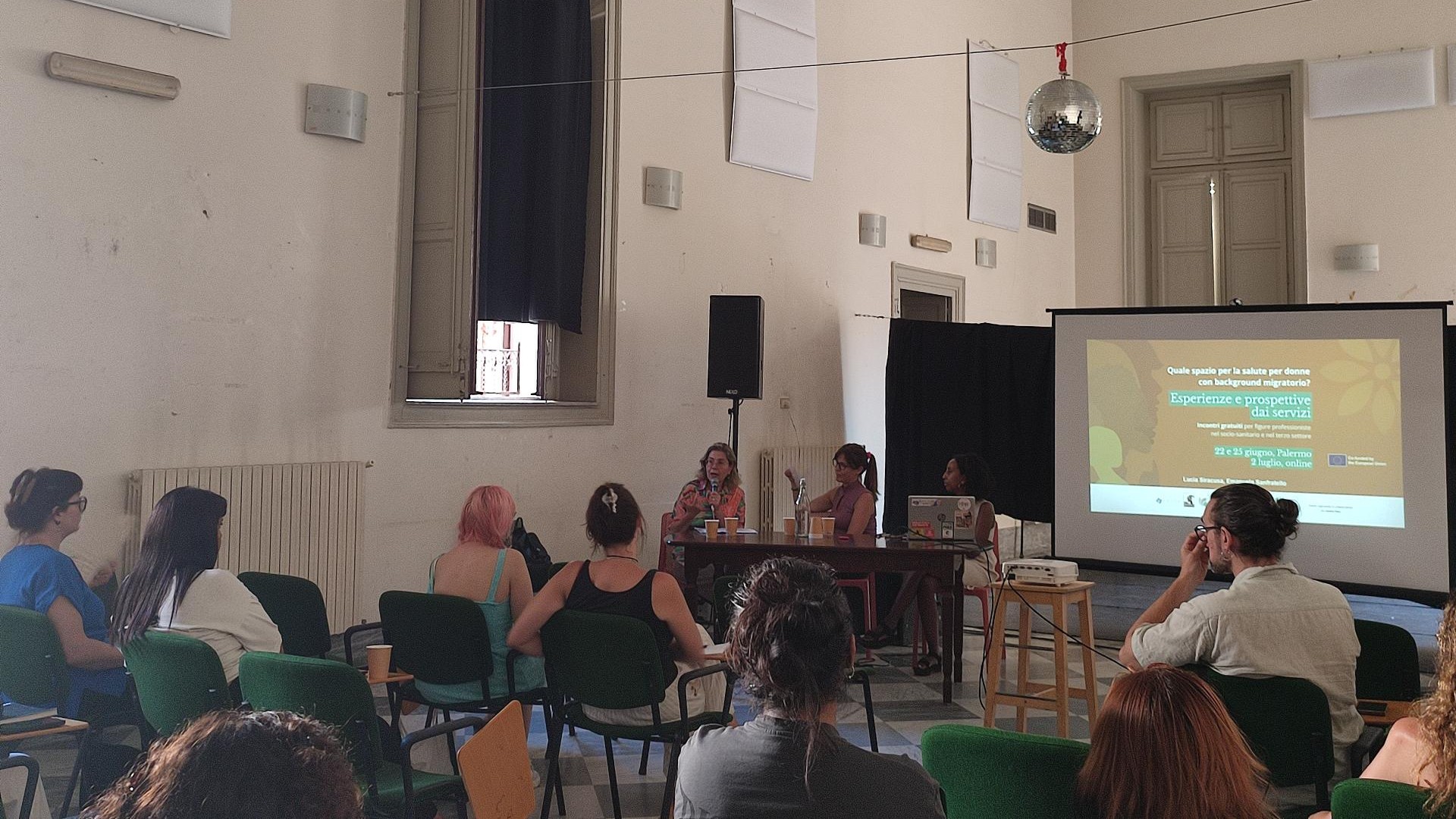
In this spirit, we invite you to a free film screening on Friday 13 March 2026 at 6:30 PM at EPYC – European Palermo Youth Center, followed by an open discussion led by members of the Youth Advisory Board – Consulta Giovanile.
The story we will watch is not a comfortable one. With a quiet, restrained anger, the film dismantles stereotypes, gender roles and the patriarchal violence underlying them, forcing us to confront what society too often normalises.
The evening will be an opportunity to reflect together on gender-based violence, stereotypes, consent and collective responsibility – and to continue giving voice to equality.
Learn more and reserve your place.
About the projects
V.O.I.C.E. – Vision, Opportunity, Inclusion, Community, Equality is funded by CERV-2024-DAPHNE programme.
EQUAL-CARE is a project funded by the European Union’s Citizens, Equality, Rights and Values (CERV) programme, aimed at addressing the gender gap in care work, both informal long-term care and formal care services, with a particular focus on the care of persons with disabilities.
For further information
Read more on the VOICE project fact sheet. Contact Sefora Giaimo: sefora.giaimo@cesie.org.
Read more about EQUAL-CARE on the fact sheet. For more information contact Nuria Casablanca: nuria.casablanca@cesie.org.
Visit www.thegendertalk.eu, follow us on Facebook and Instagram.