The transition towards green and sustainable development depends not only on technological and economic change, but also on the capacity of education systems to prepare people for it. In this process, universities play a vital role, equipping the younger generation with the knowledge and skills needed to help build more sustainable societies and tackle the challenges of an ever-changing labour market.
This means moving beyond the inclusion of sustainability as an additional topic and working towards green and digital competences, future-oriented programmes and innovative approaches to teaching and learning.
This is the focus of RE-GRAD – Reforming Undergraduate Education for Green and Sustainable Development in Armenia and Moldova, which has worked over the past years to strengthen the capacity of higher education institutions and national stakeholders to support this transformation.
Building capacity for change
One of the key contributions of RE-GRAD has been to strengthen the knowledge and competences of academic staff and other higher education stakeholders.
Through study visits to European universities, training activities and knowledge exchange, partners from Armenia and Moldova worked on approaches to integrate the Green Deal, Sustainable Development Goals, digitalisation and practice-oriented learning into higher education.
The value of this work goes beyond the individual training activities. Strengthening the people responsible for designing and delivering education is an essential condition for making curriculum reform sustainable.
From sustainability to the renewal of the educational provision
Capacity building was combined with practical work on eight undergraduate programmes in Armenia and Moldova.
The programmes were redesigned and tested with a stronger focus on green and digital competences, sustainability and innovative teaching and learning approaches. This means translating the principles of sustainable development into what students actually learn and how they learn it.
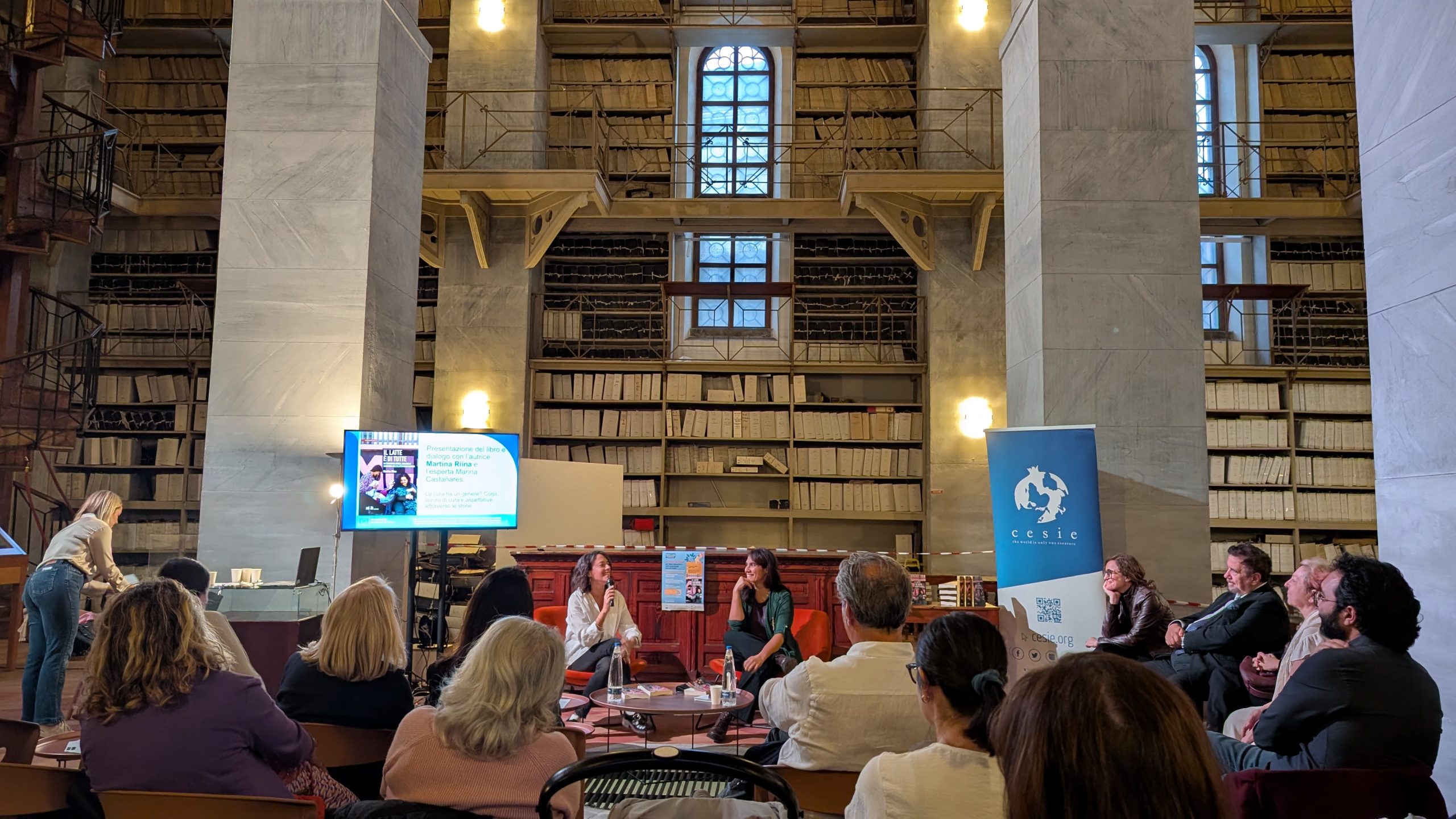
The interim results discussed by partners in Brașov in March 2026 provided an opportunity to assess the implementation of these revised programmes and reflect on their further development.
Creating frameworks that support systemic change
RE-GRAD has also worked beyond individual study programmes, addressing the frameworks and policies that can support longer-term transformation.
In Moldova, the Concept for the Integration of Sustainable Development Goals into Higher Education Programmes was officially approved at national level in January 2026.
In Armenia, four Sectoral Qualifications Frameworks covering Management, Biology, Construction and Geomatics were officially approved in 2026.
These results are particularly relevant because they create references that can support the continued modernisation of higher education beyond individual project activities.
Why this matters for CBHE cooperation
RE-GRAD demonstrates the potential of Erasmus+ Capacity Building in Higher Education (CBHE) to address higher education reform at more than one level.
International cooperation can provide access to expertise and European experiences, while allowing partner countries to strengthen their own capacity to adapt and implement solutions. When training, curriculum development and institutional or national frameworks are connected, project activities can contribute to changes that extend beyond the consortium itself.
For Armenia and Moldova, RE-GRAD has therefore addressed not only what students learn, but also the conditions that allow universities and national stakeholders to continuously improve higher education for a greener and more sustainable future.
The project’s results show that Education for Green and Sustainable Development requires action at different levels – people, programmes and policies – working together to make higher education more responsive to the challenges ahead.
Interested in developing a similar project for your higher education institution and exploring how CBHE cooperation could support the transformation of higher education in your context? Contact CESIE at research@cesie.org to discuss your ideas and potential opportunities for collaboration.
About the project
RE-GRAD – Reforming Undergraduate Education for GReen and Sustainable Development in Armenia and MolDova è un progetto finanziato dal programma ERASMUS-EDU-2023-CBHE-STRAND-3.
Partners
- Technical University of Moldova (Moldova, coordinator)
- The Ministry of Education and Research of the Republic of Moldova (MER) (Moldova)
- Bogdan Petriceicu Hasdeu State University of Cahul (Moldova);
- Ministry of Education, Science, Culture and Sports of the Republic of Armenia (Armenia)
- Yerevan State University (Armenia)
- National University of Architecture and Construction of Armenia (Armenia)
- CCI France Moldavie (Moldova)
- Armenian Center for Education Policy and Management (Armenia)
- University of Sannio (Italy)
- University of Strasbourg (France)
- Transylvania University of Brasov (Romania)
- CESIE ETS (Italy)
For further information
Read more about the projec, visit https://regrad.utm.md/ and follow us on Facebook and Linkedin.
Contact research@cesie.org