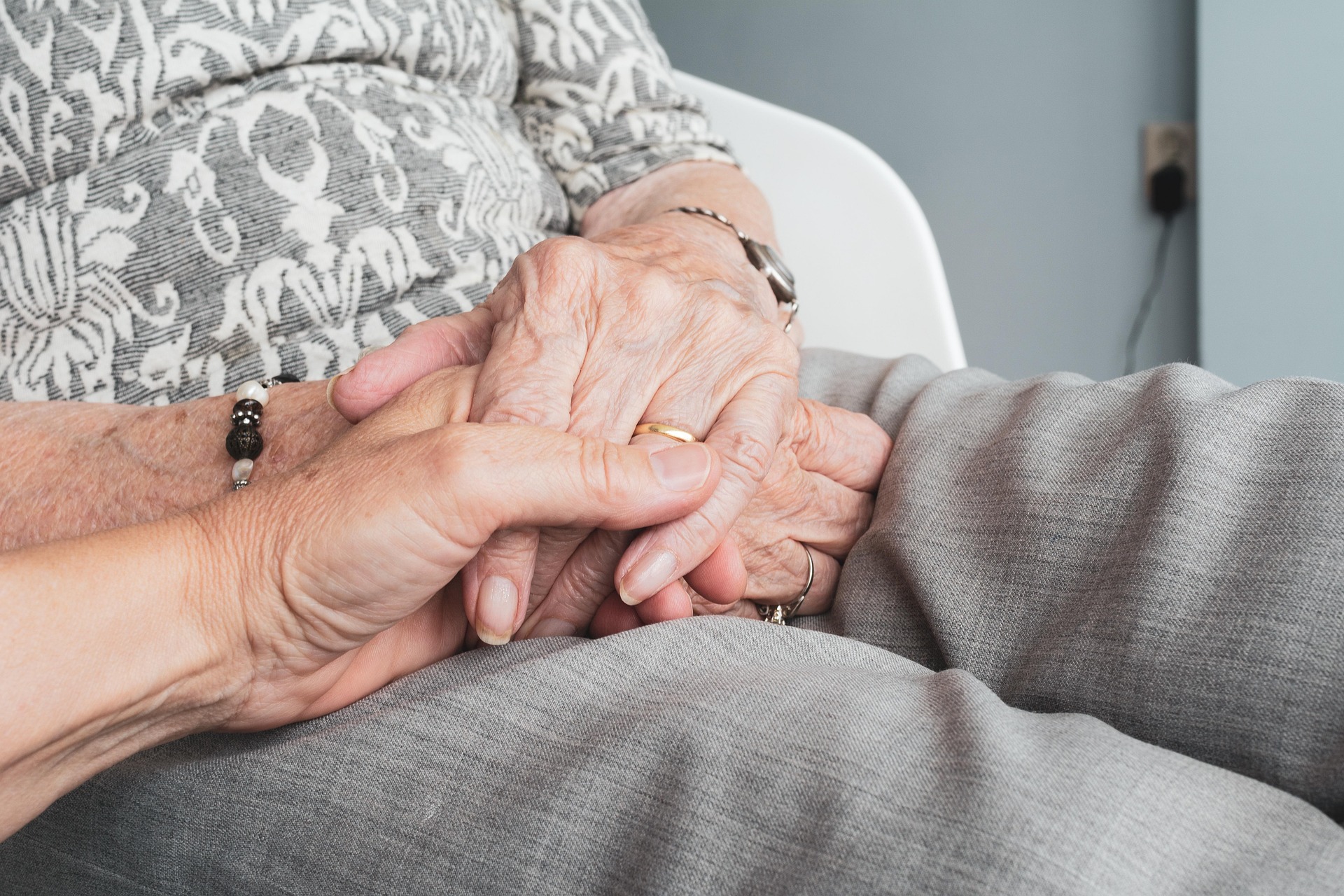
Are care facilities truly safe places for vulnerable children and adolescents? What real guarantees do they have to be heard, protected, and placed in a position to report abuse?
Violence in care settings often remains invisible, while feelings of fear, lack of trust, and the absence of adequate tools continue to hinder the possibility of reporting what has been experienced.
Violence against children is a widespread and systemic phenomenon: globally, 1 in 2 children experiences at least one form of violence each year. The risk increases significantly for children and adolescents living in care facilities, who are often exposed to multiple vulnerabilities and have limited resources to recognize and report abuse.
In Italy, the child protection system includes dedicated and specialized care facilities for minors. Within this framework, child protection is based on structured cooperation among national, regional, and local authorities, social services, and civil society organizations.
Since 2021, an inter-institutional working group promoted by the Ministry of Labour and Social Policies has been active, with responsibilities for monitoring and updating the national guidelines. This coordination represents a key strength of the system, but it requires continuity, adequate resources, and specific expertise in order to produce concrete and lasting results.
Despite Italy’s comprehensive legal framework, its effectiveness ultimately depends on the ability of the adults working in and with care facilities to recognize, prevent, and address violence. At the same time, it is essential to strengthen children’s awareness of the different forms of violence and, above all, of their rights, so that they can feel empowered and supported in seeking help.
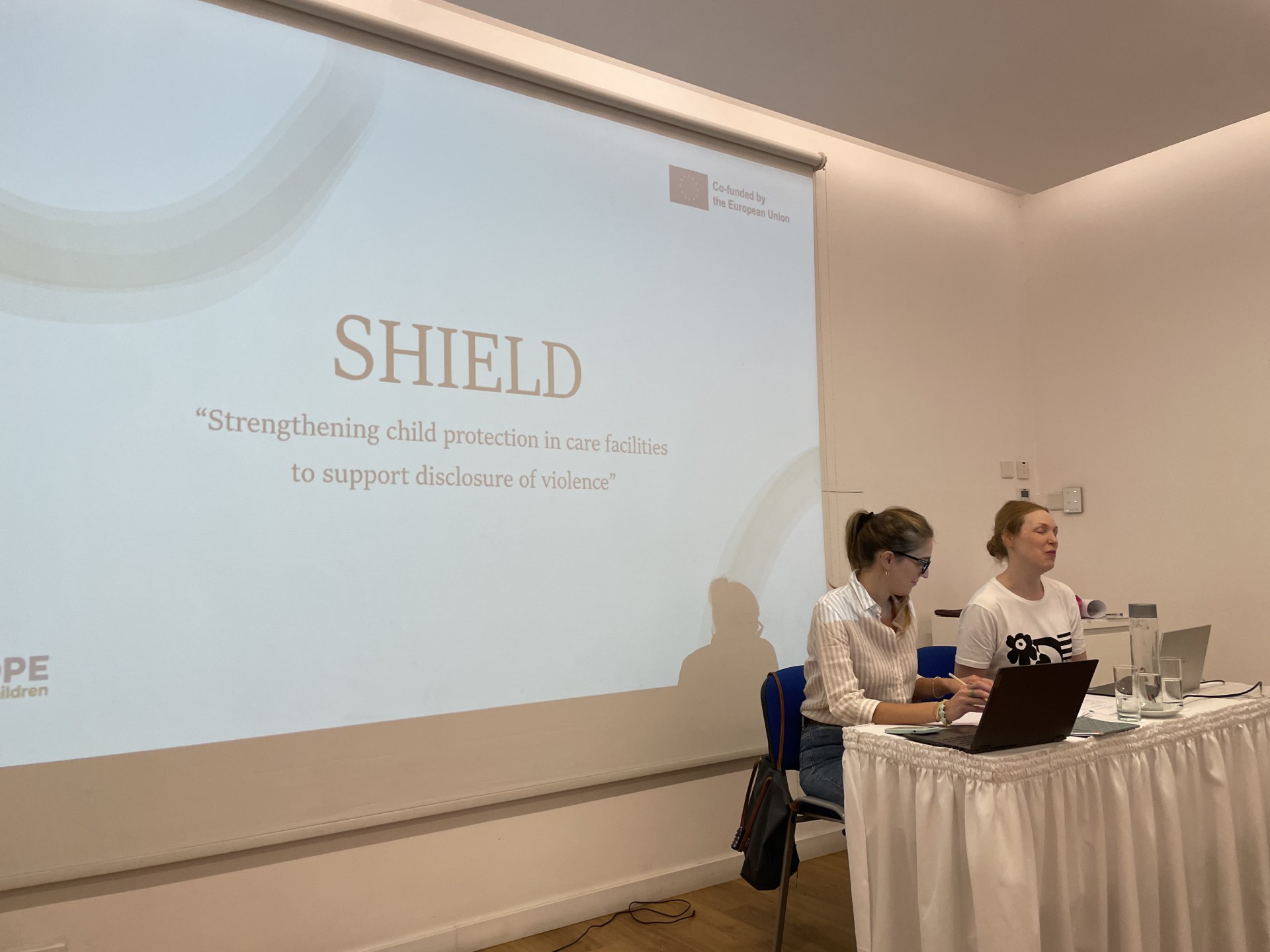
Building on this awareness, and on the need to strengthen more integrated and coherent child protection systems at European level, the SHIELD project was launched. SHIELD promotes a rights-based approach grounded in the active participation of children and shared responsibility between institutions and civil society.
At the core of the project is the development of a comprehensive multi-agency model to strengthen child protection in residential care settings, supporting children, adolescents and professionals in recognising violence and activating safe pathways for reporting and disclosure.
Through research, training, multi-agency cooperation, awareness raising and advocacy actions, SHIELD aims to create safer care environments that are better equipped to respond effectively to children’s needs.
Strengthening child protection in care facilities means going beyond the legal framework alone and investing in skills, relationships and shared responsibilities. SHIELD contributes to this process by helping to translate protection systems into concrete practices capable of listening to, protecting and accompanying children towards safer, more inclusive living environments that fully respect their rights.
Would you like to contribute to raising awareness on violence against children and learn more about SHIELD’s next steps? Read more about the project or contact Cinzia Broccolo: cinzia.broccolo@cesie.org.
About the project
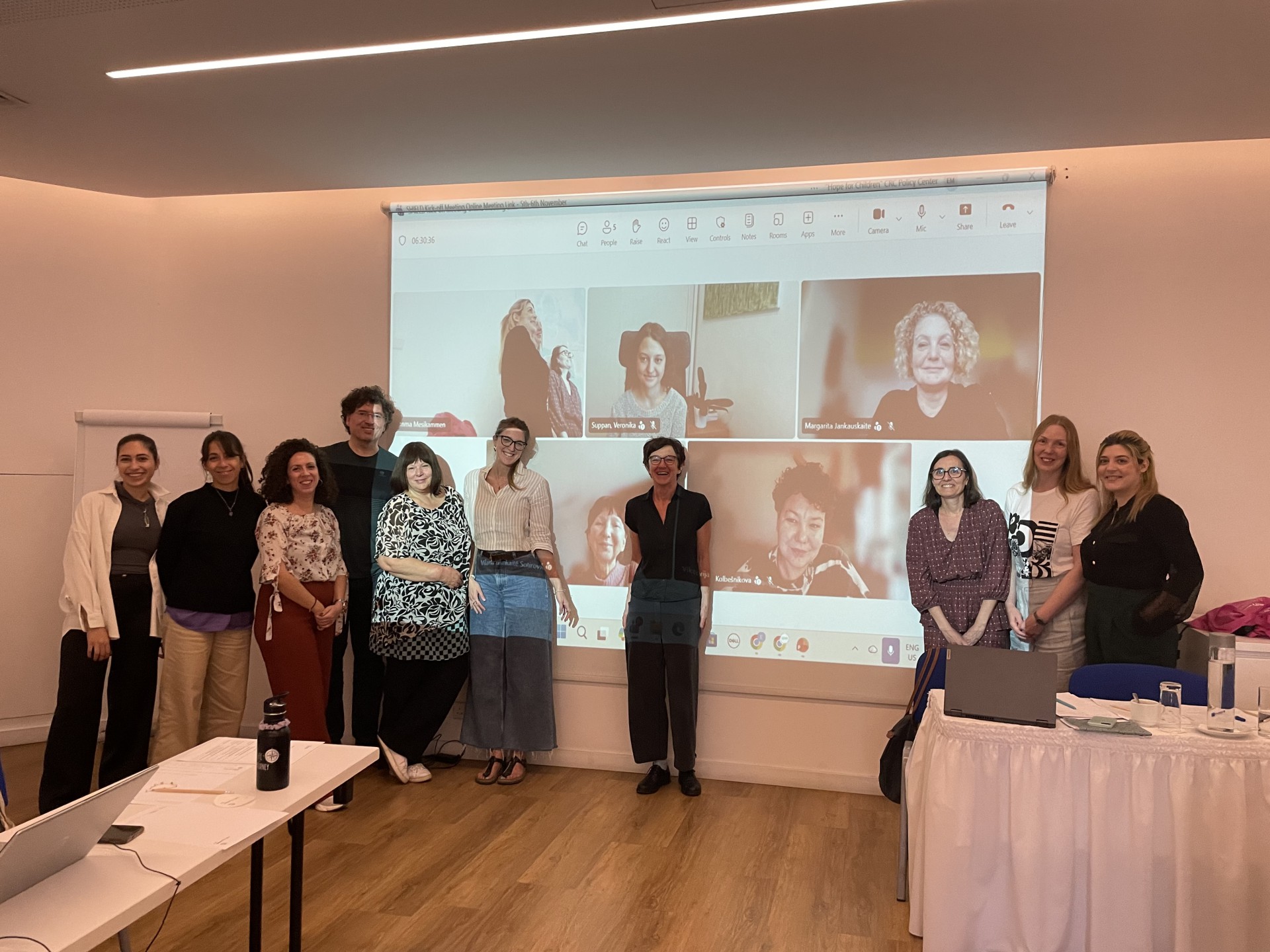
SHIELD – Strengthening child protection in care facilities to support disclosure of violence is a two-years project funded by the CERV programme of the European Commission (CERV-2024-DAPHNE – CERV-LS).
Partners
- HFC – Hope For Children (Cyprus, coordinator)
- VMG – Verein für Männer und Geschlechterthemen Steiermark (Austria)
- TSoC – The smile of the child (Greece)
- CESIE ETS (Italy)
- CEA – Centre for Equality Advancement (Lithuania)
- FDIP – Fundacion Diagrama Intervencion Psicosocial (Spain)
For further information
Read more about SHIELD.
Contact Cinzia Broccolo: cinzia.broccolo@cesie.org.