What do you know about molecules, atoms and crystals? Do you know what is the World made of and how to bring archeology to the classroom? Innovation in methods to teach science has been started with the launch of SciLit project and the training event in science education.
SciLit – Scientific literacy at the school: improving strategies and building new practices of science teaching in early years education – aims to go one step ahead on the way science is taught in the early stages and to develop necessary tools to facilitate the teaching of science.
SciLit team involves partners from Spain (The Spanish National Research Council CSIC, teachers center CPR Gijon, kindergarten and primary school San Francisco), Poland (Kindergarten P34, teacher education center KPCEN), Estonia (Asunduse kindergarten), Lithuania (Nursery School “Zilvitis”) and Italy (CESIE).
During the 2 years of the SciLit project (that is co-funded by the Erasmus+ Programme, Key Action 2 – Strategic Partnerships for school education) we will develop tools and materials for teachers and educators for teaching science.
- Firstly, we will develop the Guide for policy makers, scientists, education professionals and national, regional and local authorities involved in education. This guide will propose an educational itinerary to facilitate the understanding of scientific concepts and will also provide explanations of how to introduce science in the classroom from early years of education.
- Secondly, we will produce classroom materials for teaching natural sciences. This guide will bring us from the macroscopic world to the microscope: investigating on what our eyes can’t see. Main chapters will deal with matters such as atoms, molecules and crystals; matter organization; water molecules; electricity laws and its relation with forces.
- Finally, we will elaborate the classroom materials for teaching social and human sciences bringing archaeology closer to the students. Main chapters will deal with matters such as how to measure time, context, stratigraphy, the importance of cultural heritage and cultural landscape, as both are the product of human and environment interaction.
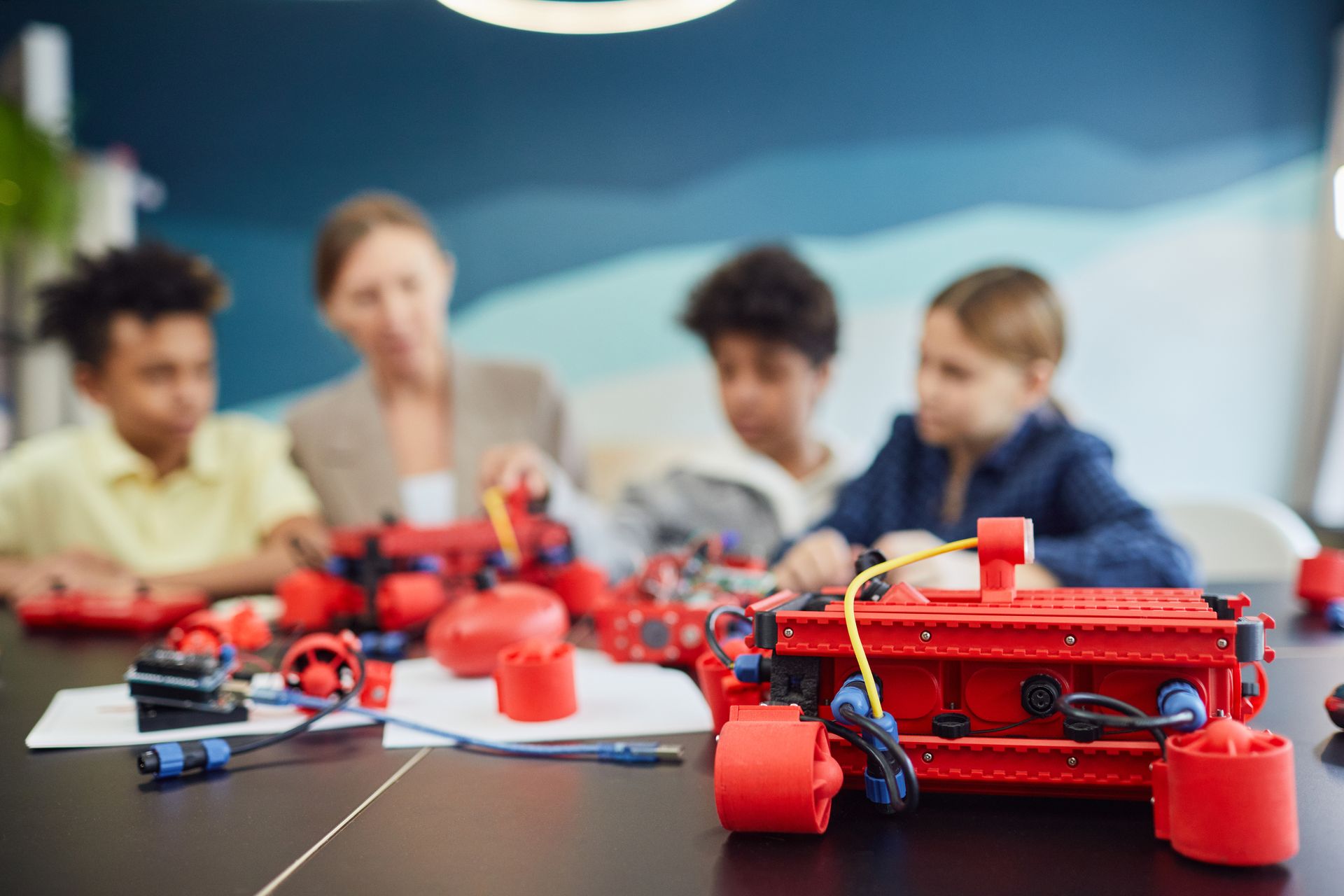
During the Kick-off meeting and the training event that were held in Madrid from the 24th to the 28th of October 2016 and hosted by the project coordinator CSIC, the partners, teachers and educators explored the alternative methods to teach science. Through experiments, inquiry based learning methods, questioning, trying, observing and testing we have improved our knowledge in science literacy that is fundamental for developing the materials and transferring the knowledge to the local level.
SciLit team believes that science is a culture with its special way of seeing the world, its values, its procedures, and its languages and science teaching can be a tool for the overall development of the child.
For further information about the project and science education, please contact Ruta Grigaliunaite: ruta.grigaliunaite@cesie.org.