In Palermo, childhood is not the same for everyone: move from one neighbourhood to another and the schools, the playgrounds and the services available change with it. Children’s and young people’s rights can only be safeguarded when schools, services, ombudspersons and civil society organisations work in concert.
From the local to the European levels: a network of ombudspersons and young advisors
The figures confirm it: Il Sole 24 Ore’s latest index of children’s quality of life ranks Palermo 104th out of 107 Italian provinces. Child protection involves different levels of responsibility. The City of Palermo created the office of children’s ombudsperson in 2013, and the Sicilian Region had done so a year earlier. At the national level, the Independent Authority for Children and Adolescents chairs the National Conference, which brings the regional ombudspersons together to promote a common approach. Each of these levels is bound by the United Nations Convention on the Rights of the Child (UNCRC), adopted on 20 November 1989 and ratified by Italy in 1991.
In Europe, the ENOC, the European Network of Ombudspersons for Children was founded in 1997 by 10 institutions; it now brings together 44 independent authorities across 34 Council of Europe member states. Its mandate is to promote and protect the rights enshrined in the UN Convention. Each year, its members draw up joint position statements involving young people through ENYA, the European Network of Young Advisors.
In Sicily, protection is rooted in the community
The ombudspersons closest to local communities are already working in partnership. In recent years, the Palermo office of children’s ombudsperson has championed a collective approach to supporting children and young people in difficulty, starting by listening to schools, district councils, families and associations. Regionally, the ombudsperson’s office is working with the communities to revise its founding legislation and bring it into line with European guidelines.
We at CESIE play our part in this shared effort.
Together with a network of third-sector organisations, we are working with the Ombudsperson for Children and Adolescents of the Sicilian Region on a memorandum of understanding that will strengthen the system of voluntary guardianship for unaccompanied migrant children by capitalising on the efforts and expertise of each organisation. The Ombudsperson’s office is responsible for monitoring and research activities, drawing on quantitative and qualitative analysis to identify the issues on which joint efforts should concentrate.
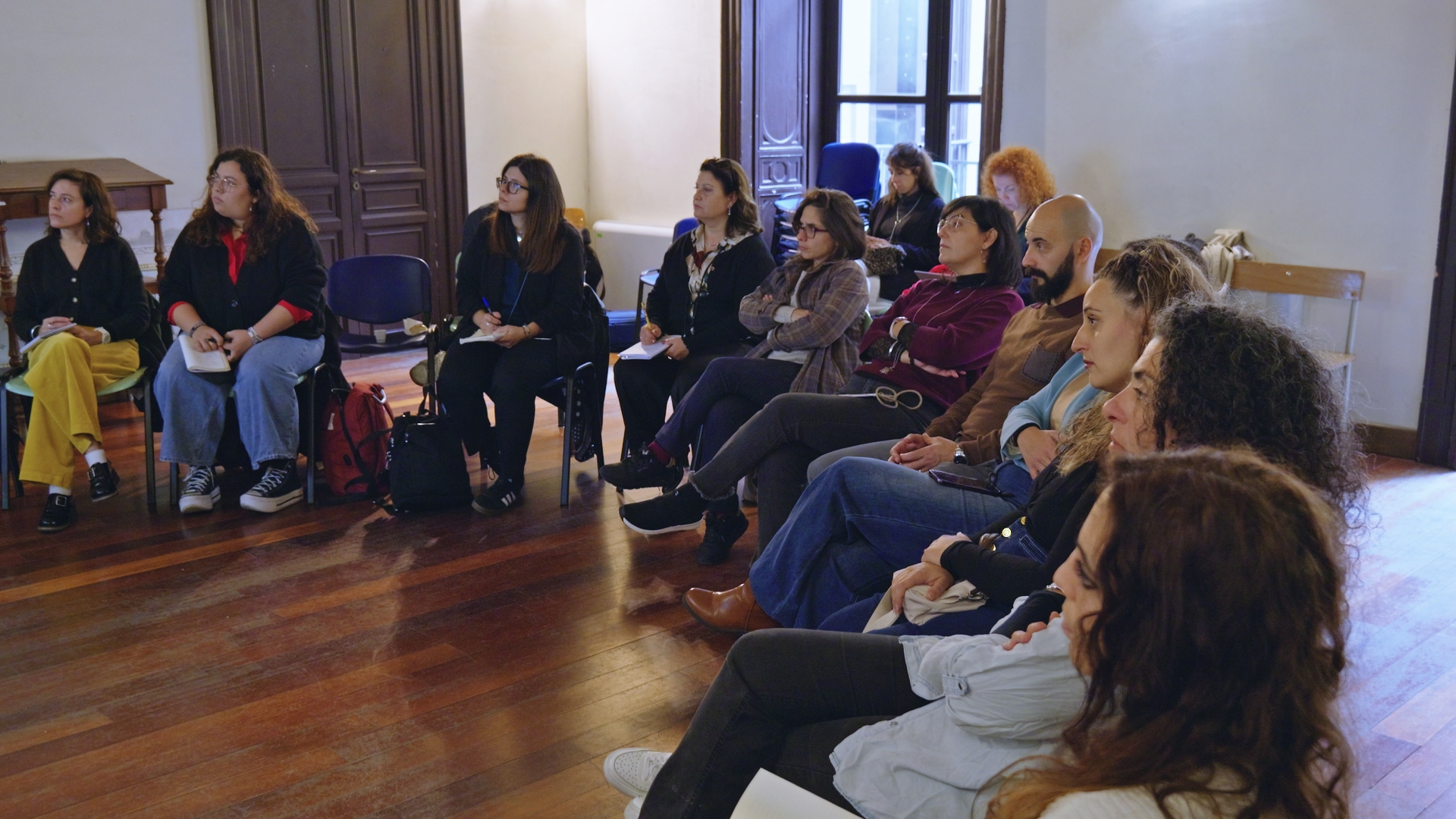
We are also behind the City Council on Sexual and Emotional Education, a network of associations, professionals, institutions and schools that develops inclusive educational pathways and fosters a culture of respect. On 23 June and 4 November 2026, we came together with institutions, schools, services and civil society organisations at the City of Palermo’s Department of Social and Health Policy to draw up joint recommendations on comprehensive sexuality education. The process will run until February 2027 and lead to a shared local commitment.
A step back at national level
While local communities look to Europe, the national level is drifting away. On 8 October, Italy’s Independent Authority for Children and Adolescents announced its withdrawal from ENOC. Six days earlier, the network had adopted a statement on the rights of LGBTQIA+ children and young people, which the Authority voted against. According to ENOC’s account, that vote was recorded in the minutes, while the General Assembly unanimously rejected a request to append an explicit note of dissent to the text. The Authority cites this refusal as the reason for its departure, arguing that, as an association rather than a public body, ENOC has no bearing on its relations with the European institutions. Ten regional ombudspersons have since called for the withdrawal to be suspended and for the National Conference to be convened.
Dissent is legitimate and indeed valuable; its rightful place, however, is within networks, where differences are aired and decisions made in consensus. A children’s ombudsperson’s office speaks for every child in the country, LGBTQIA+ children included. As the European Commission points out in its LGBTIQ+ Equality Strategy 2026–2030, two in three LGBTQIA+ people in Europe report having been bullied, insulted or threatened at school, while in Italy more than half of LGBTQIA+ students hide who they are at school. When the national level withdraws from the European chain of responsibility, local voices carry less weight in the forums where standards are shaped.
This is why we continue to build alliances. In residential care settings, we work to strengthen safeguarding and to make it easier for children to seek help when they experience violence. Through the ChildrenSafe platform, we offer practical resources on rights, prevention and participation. In schools, we deliver programmes on sexual and emotional education and on preventing violence. Each is a link in the same chain, and we are determined to keep it intact.