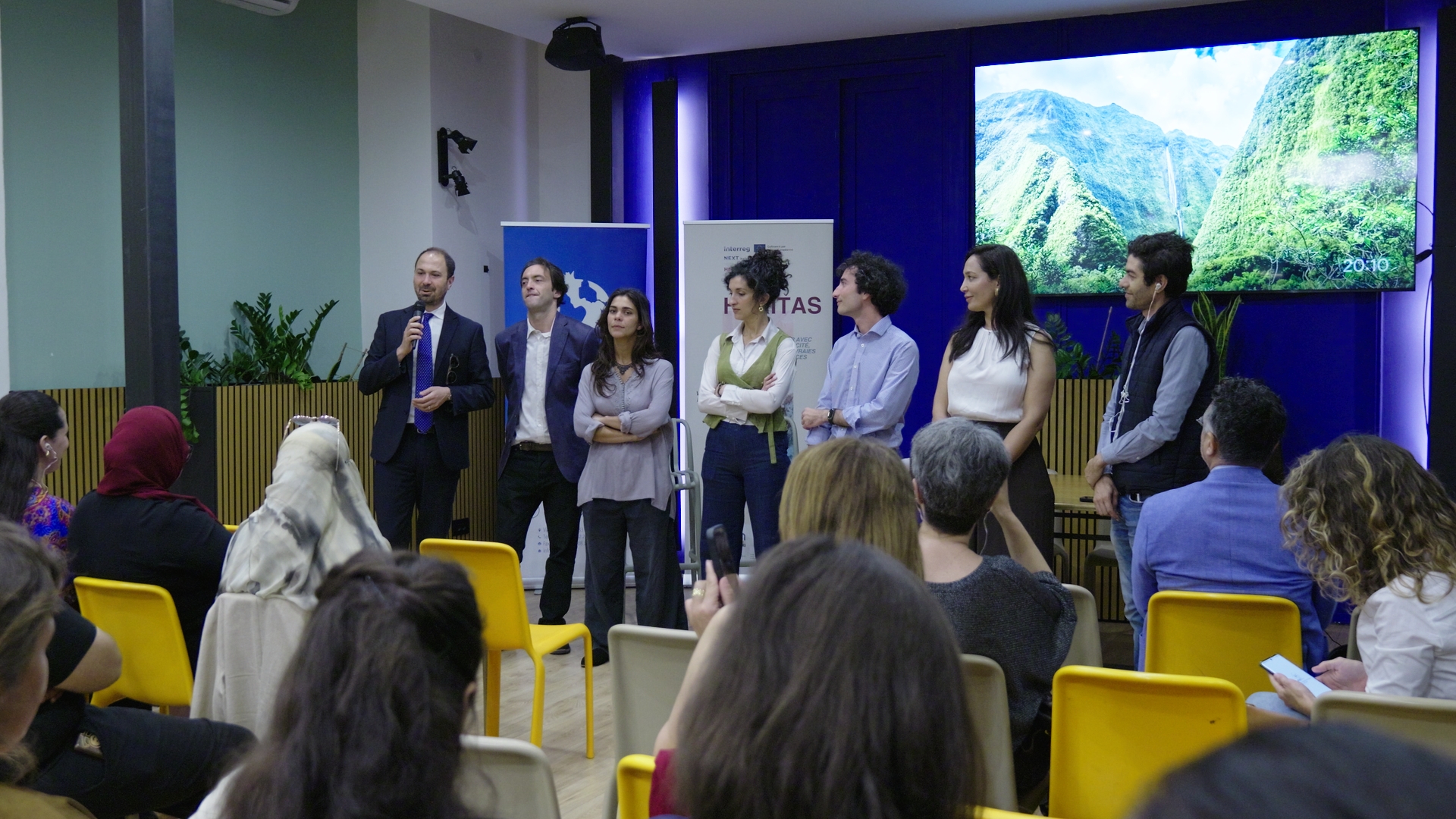
Tourism is a key economic sector for many countries, but beyond that, it is a way of bringing people together, valuing local communities, and building connections between territories, cultures, and individuals. From this vision emerged the HERITAS International Atelier: a week of training and exchange that brought together tourism professionals and community tourism practitioners from Tunisia and Sicily in Palermo and in the areas of Trappeto, Terrasini, Partinico, and Balestrate.
In a Mediterranean context shaped by intertwined histories, shared heritage, and common challenges, creating spaces for dialogue between professionals working in sustainable, experiential, and community-based tourism also means rethinking how territories are told and experienced. HERITAS starts from this idea: community-based and sustainable tourism as a driver of local development, inclusion, and cooperation between the two shores of the Mediterranean.
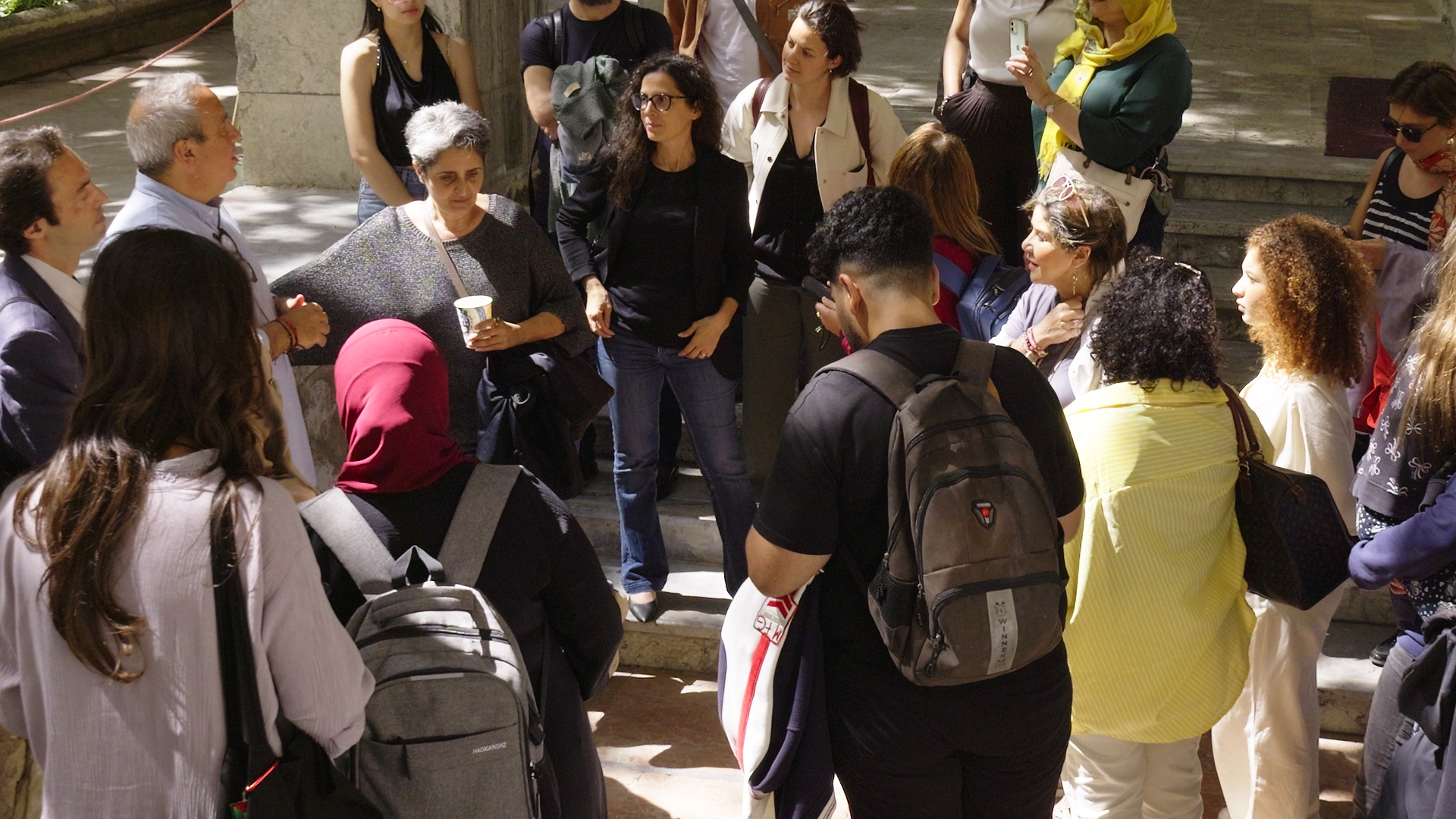
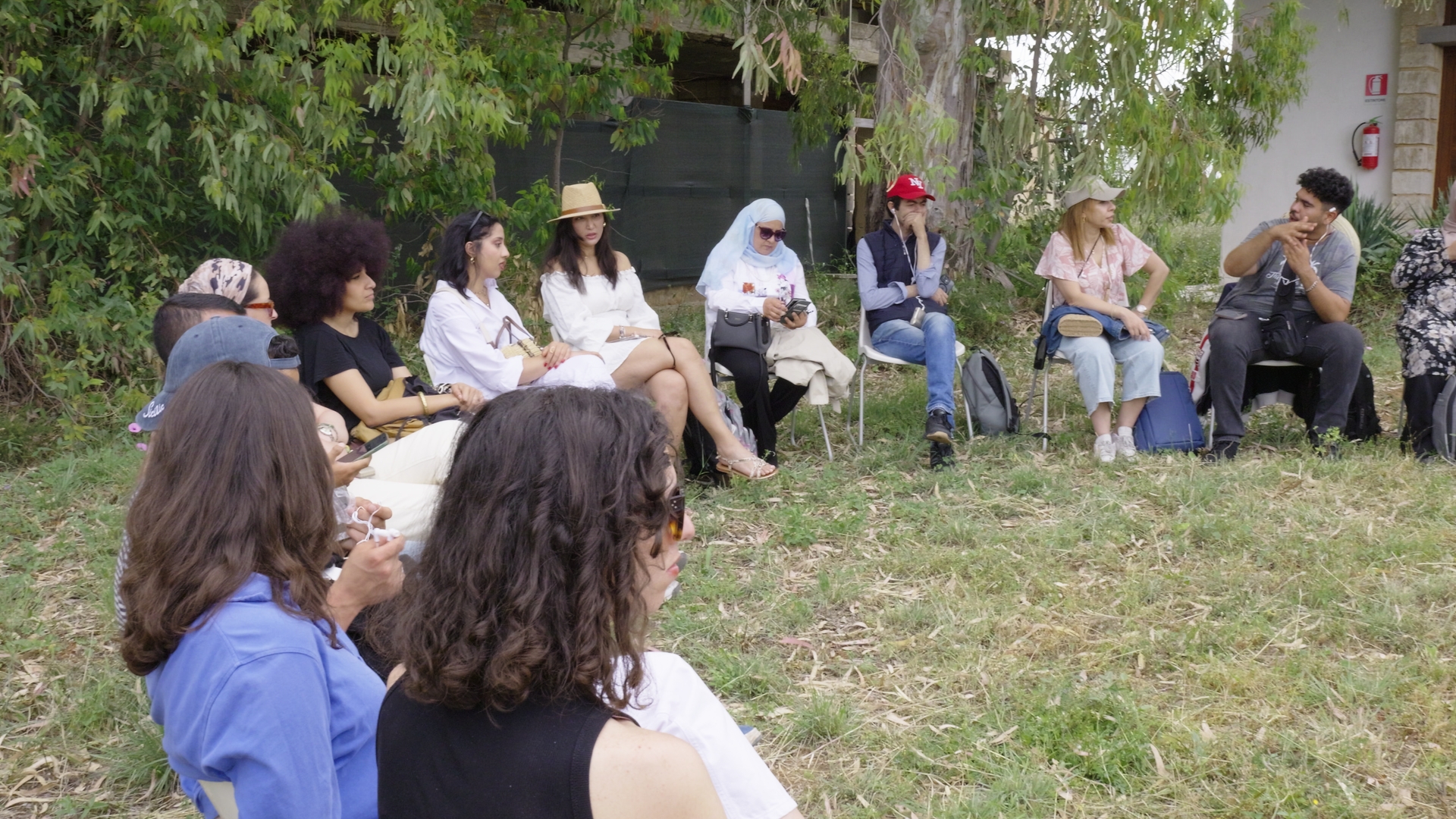
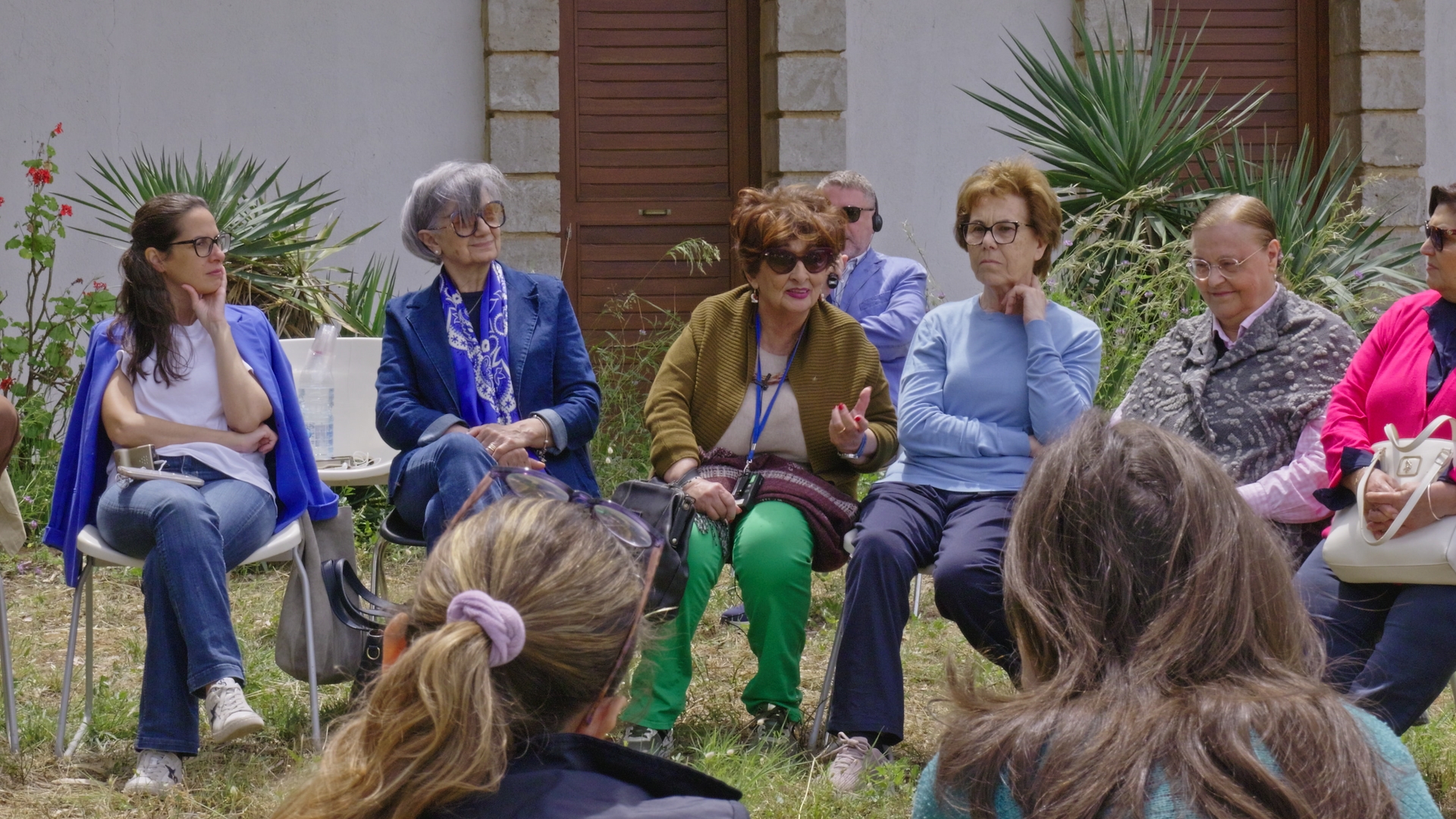
Throughout the training week, participants worked on their own business ideas, exchanging with experts, local organisations, and cultural initiatives that show how living heritage can become a concrete resource for territories and the communities that inhabit them.
A new approach to heritage
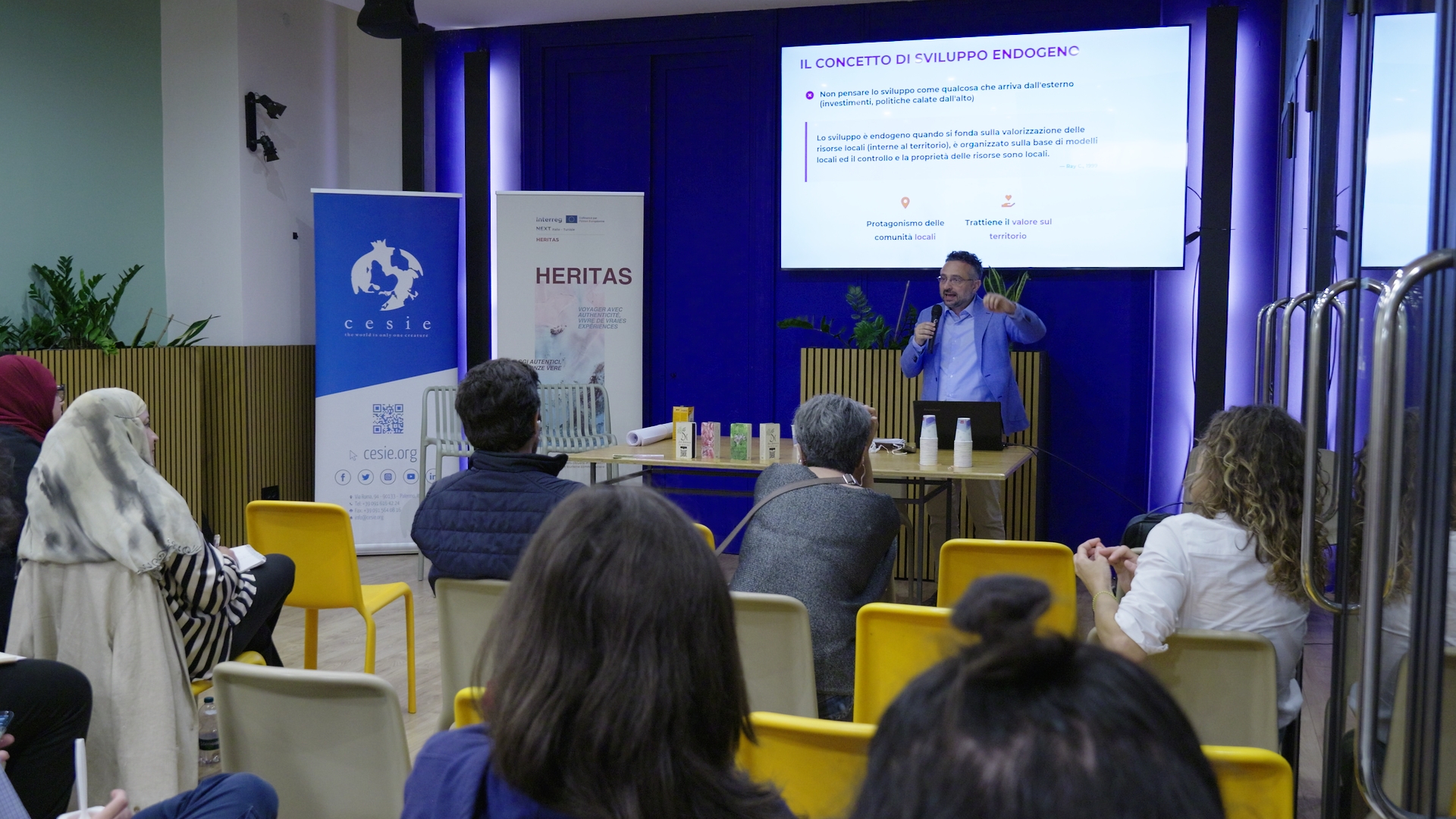
One of the key themes of the Atelier was the relationship between heritage, local identity, and territorial development. Through a session with Fabrizio Ferreri, sociologist of the territories at the University of Catania, the group reflected on how culture and collective memory can contribute to the regeneration of rural and marginalised areas, creating new social and economic opportunities while staying rooted in local specificities.
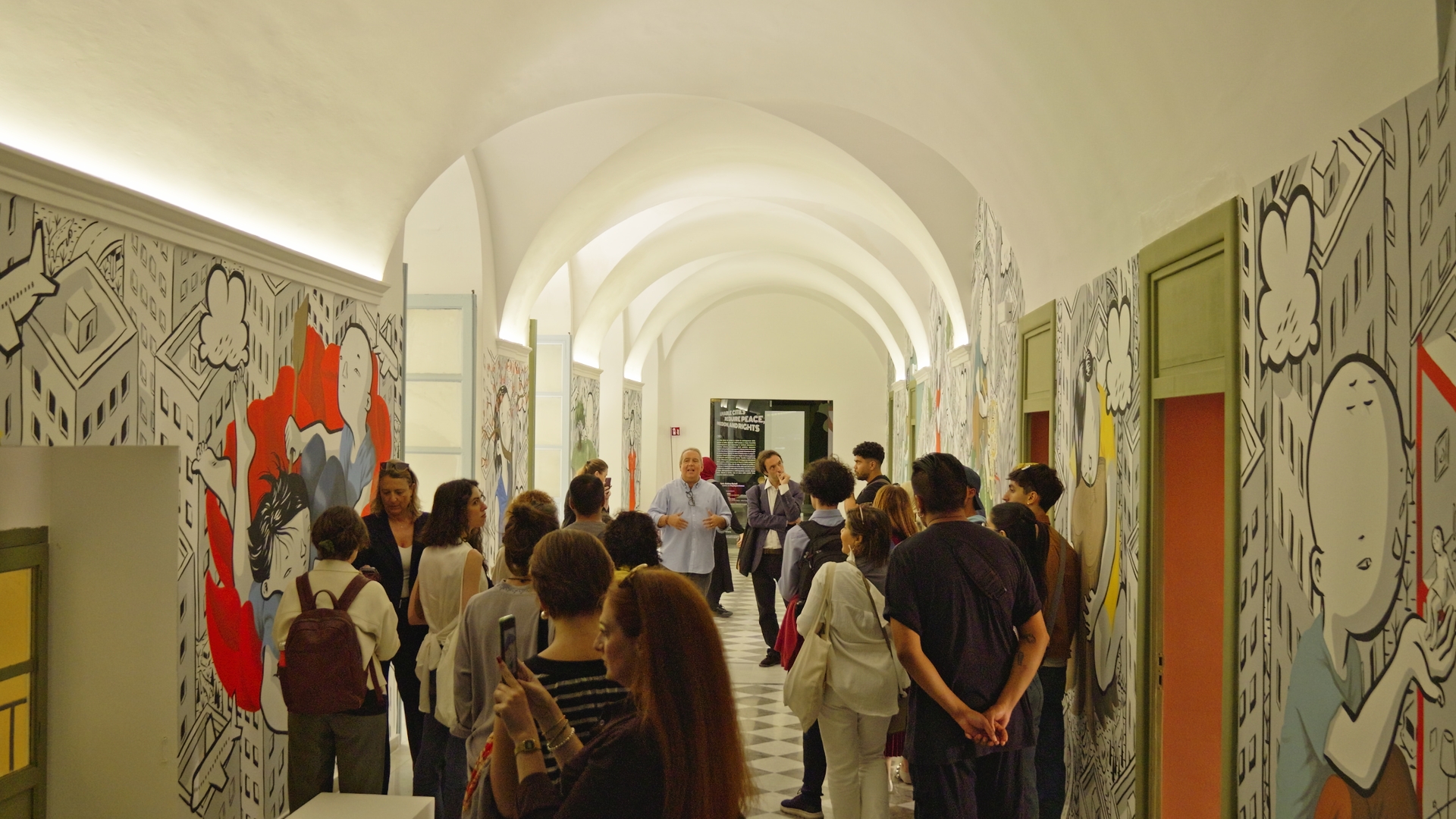
This reflection was brought to life during a visit to the Museum of the Cities of the World at Farm Cultural Park, guided by Andrea Bartoli, a powerful example of how culture can become a driver of urban and social transformation, generating new spaces for participation and new perspectives for the territory.
An exchange with local innovation expert Maurizio Giambalvo further explored the principles of community-based, responsible, and experiential tourism, reflecting on models that can foster more inclusive and sustainable development. At the centre of the discussion was the role of local communities in shaping authentic experiences and new forms of hospitality, moving away from the logic of mass tourism.
Storytelling and territories
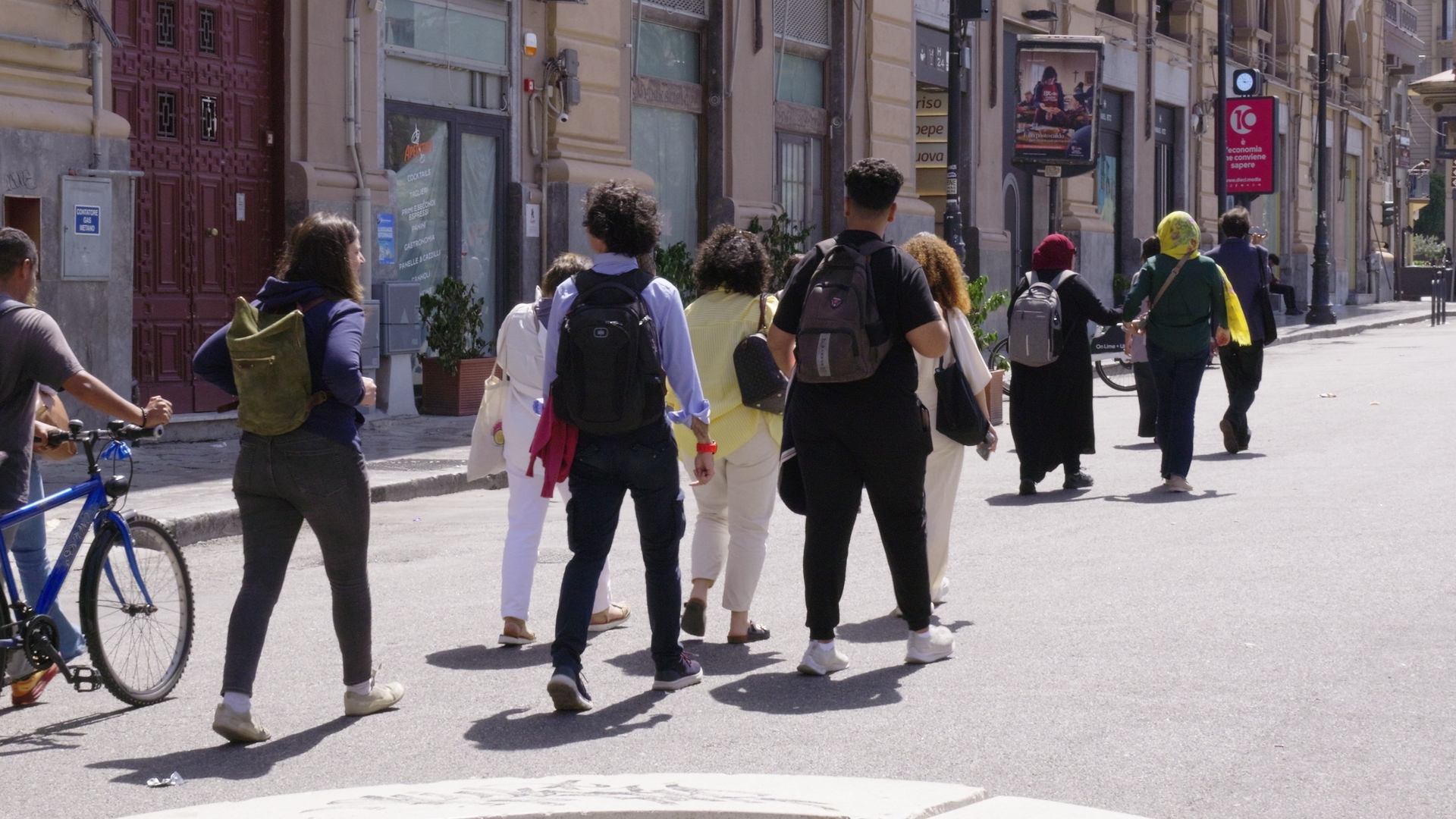
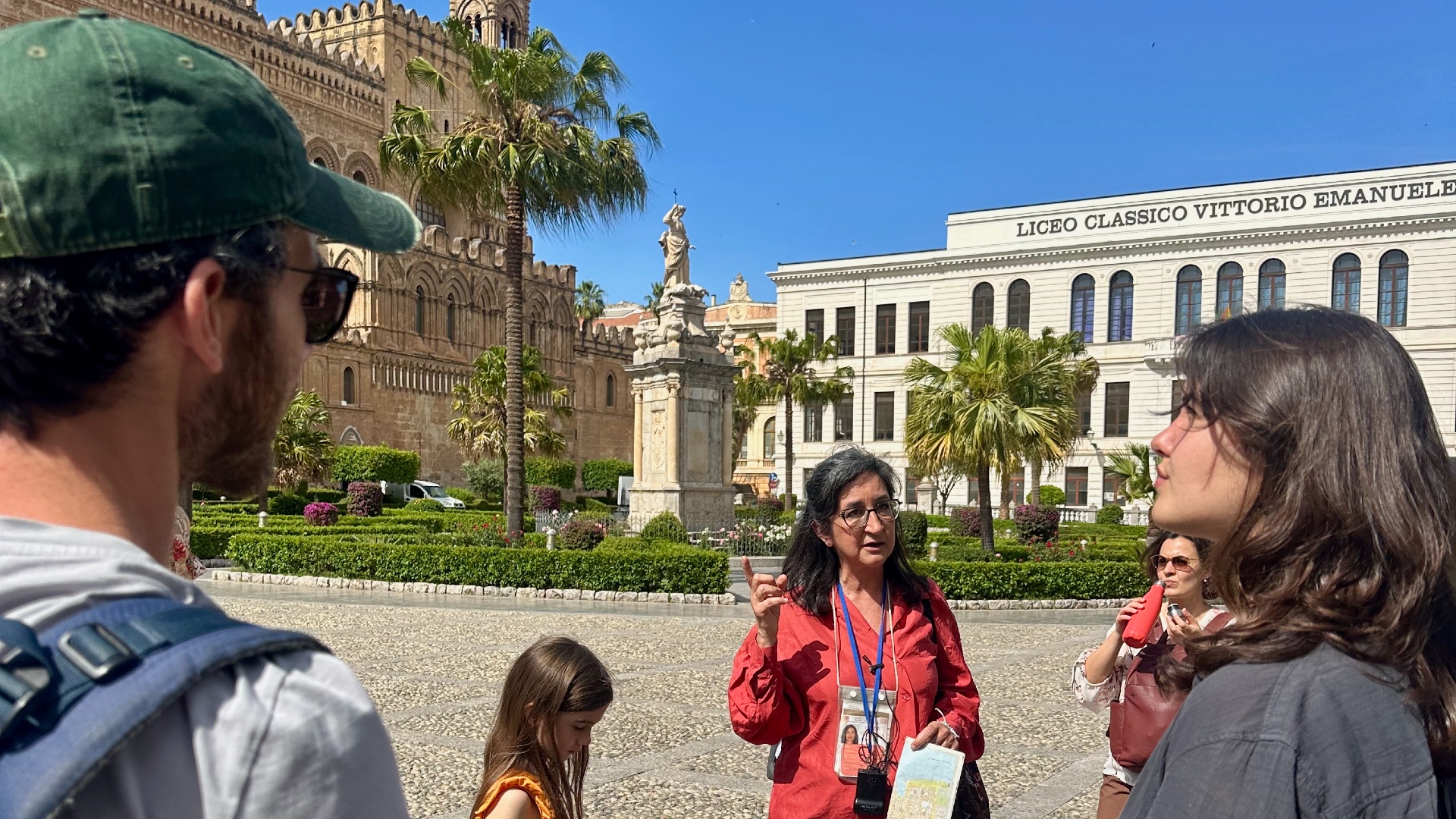
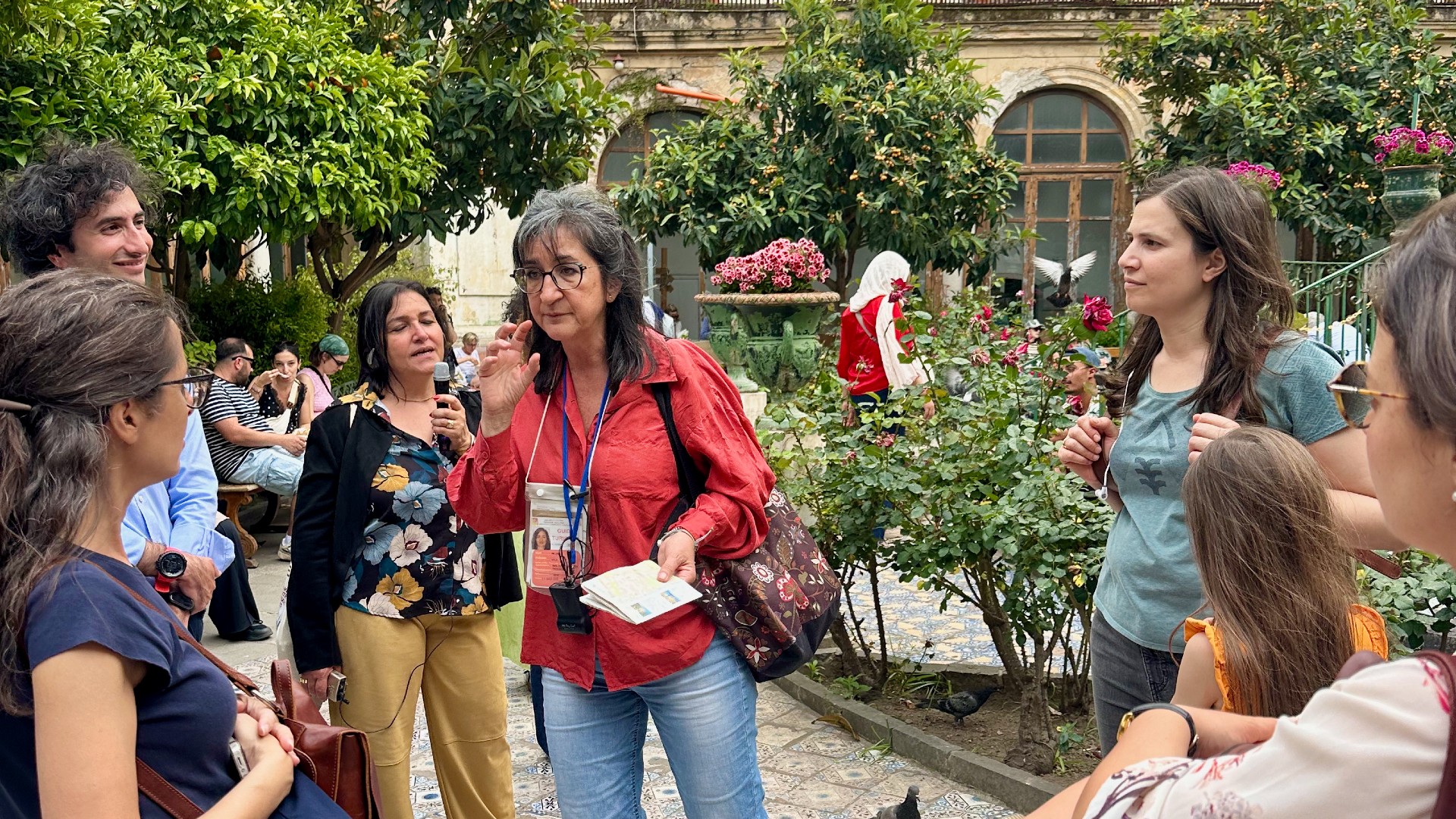
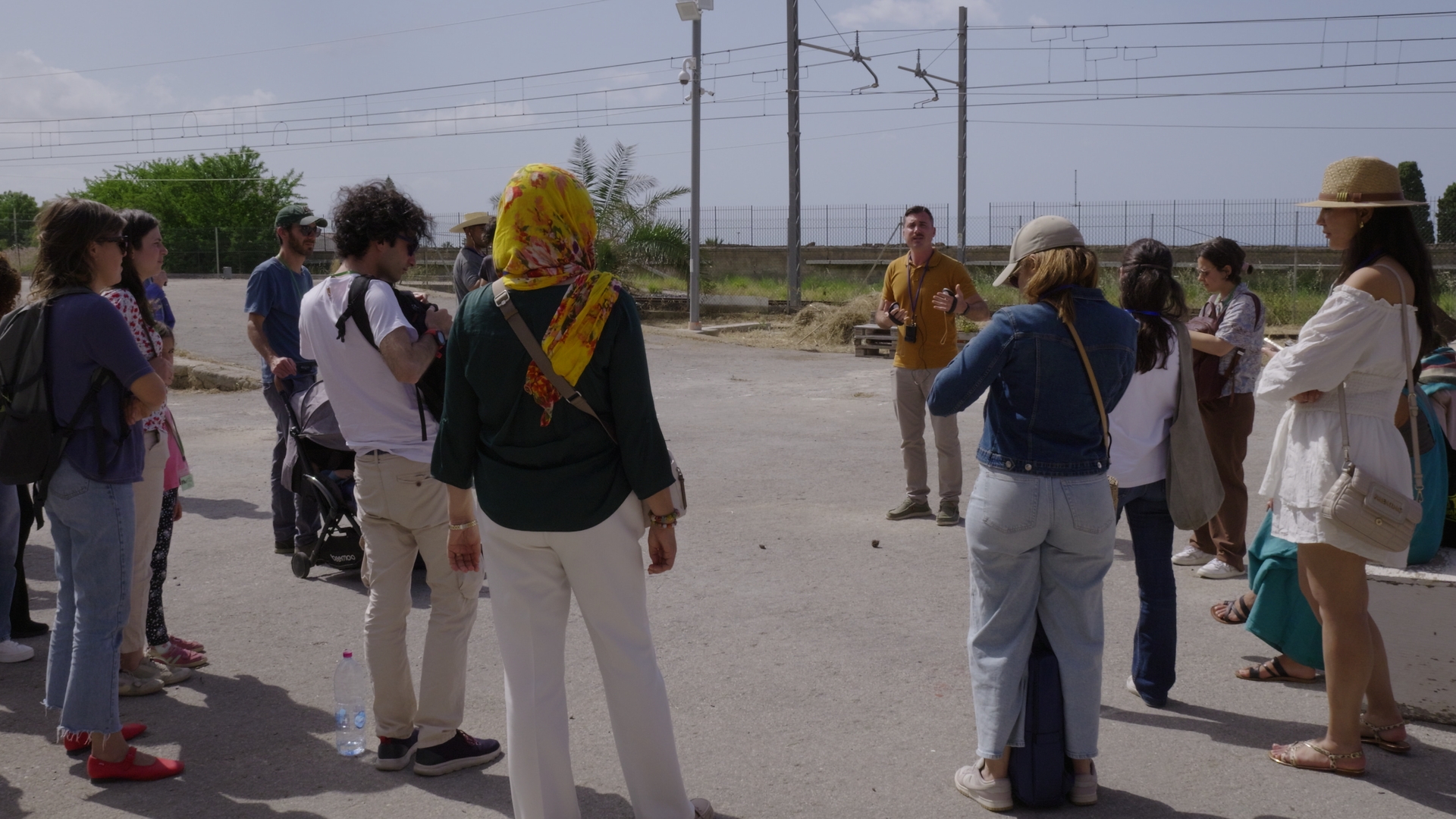
Another key theme of the week was how territories are narrated. Through talks and guided walks in Palermo led by guide Milena Vela and researcher Alberto Mannino, the group explored the city as a complex space, shaped by multiple identities, contrasts, and layered memories.
Walking through the city’s neighbourhoods offered a more sensitive and critical perspective on tourism, encouraging participants to move beyond stereotypical representations of places and instead build narratives that are more respectful of local communities and realities.
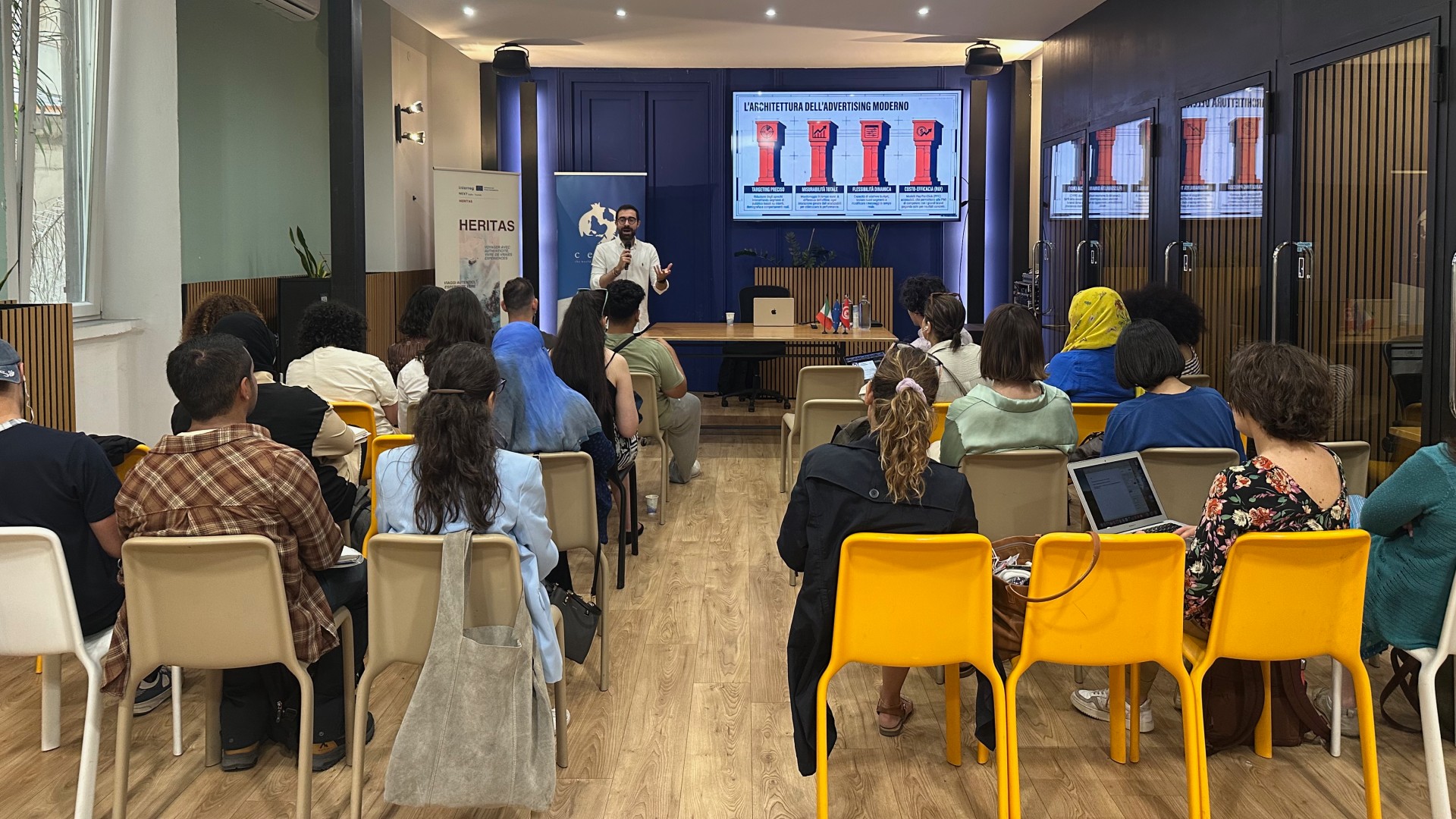
The reflection on communication continued with marketing expert Gianluca Zuccarello, who led a session on marketing and communication for community-based tourism. The focus was on developing strategies capable of telling the story of territories in an ethical, accessible way, aligned with the values of sustainable tourism.
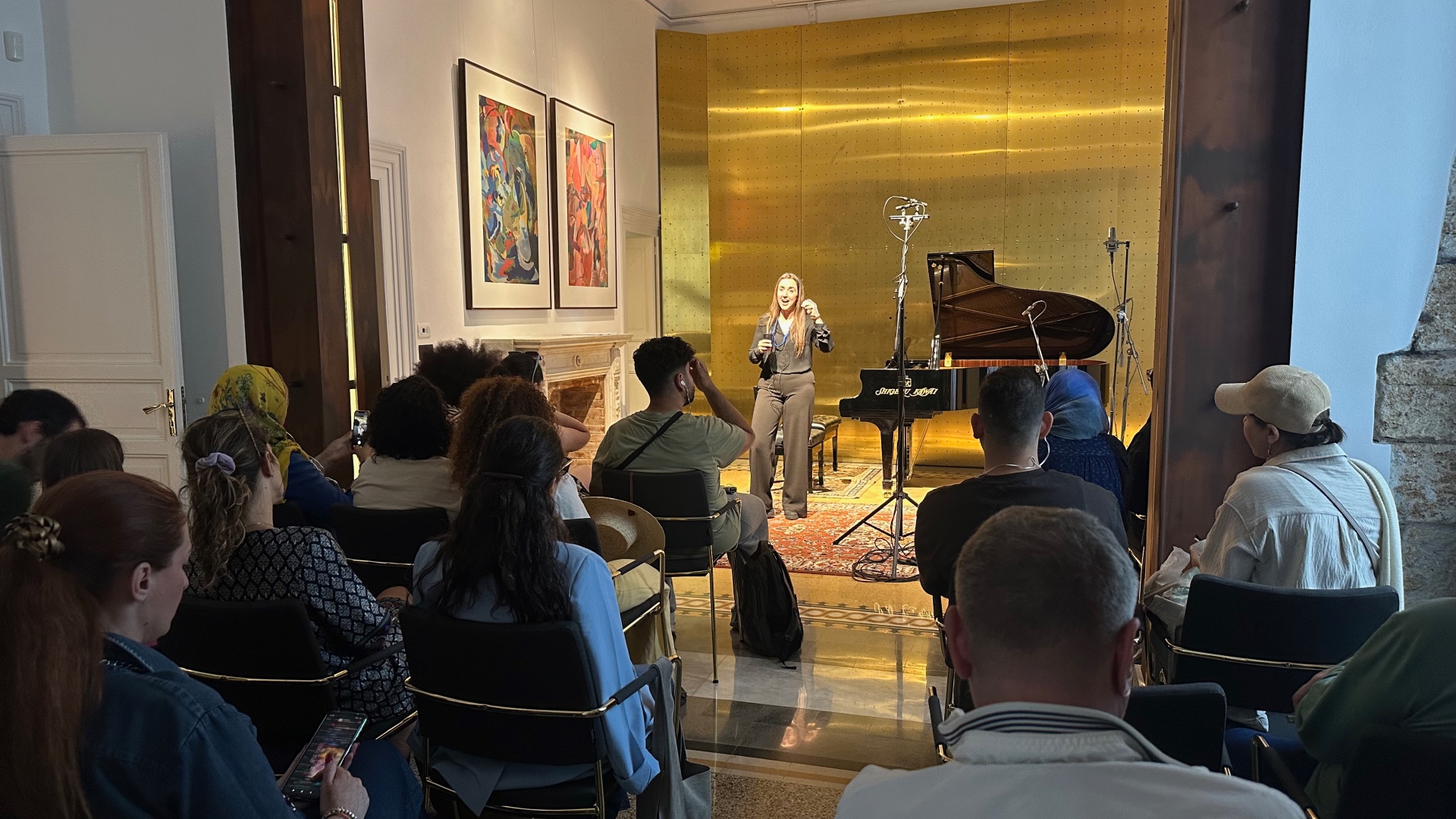
The week also included encounters with local cultural organisations, such as the Martha Music Art House Academy, a creative space run by young women where music, art, and conviviality created a moment of direct exchange with the cultural energy of the territory.
New experiences and new ideas
Alongside the theoretical reflection, the HERITAS International Atelier also had a strong practical dimension. With the support of Fabio Sanfilippo, participants worked on developing their own projects, exploring tools such as business planning and reflecting on the economic and organisational sustainability of community-based tourism initiatives.
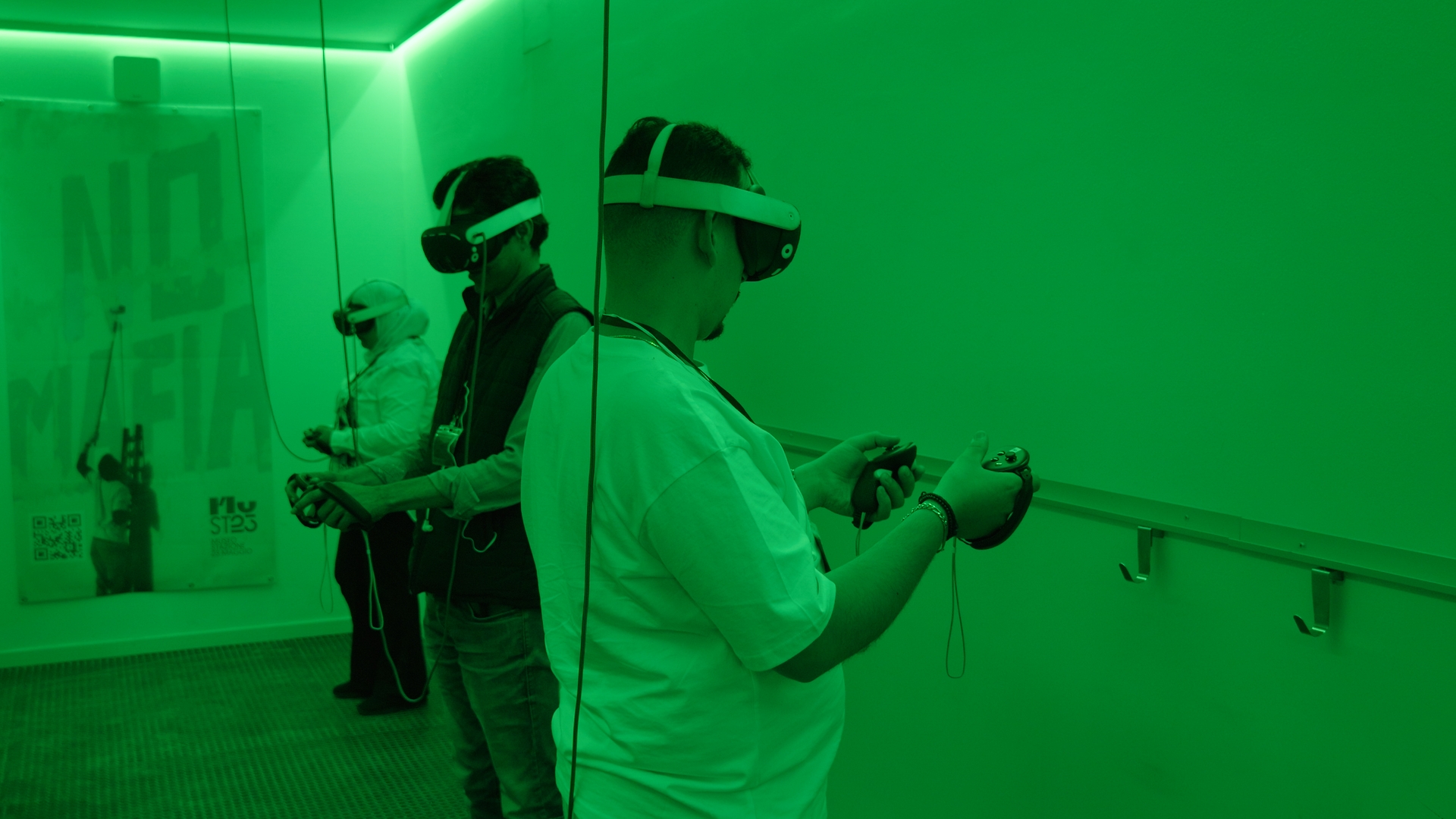
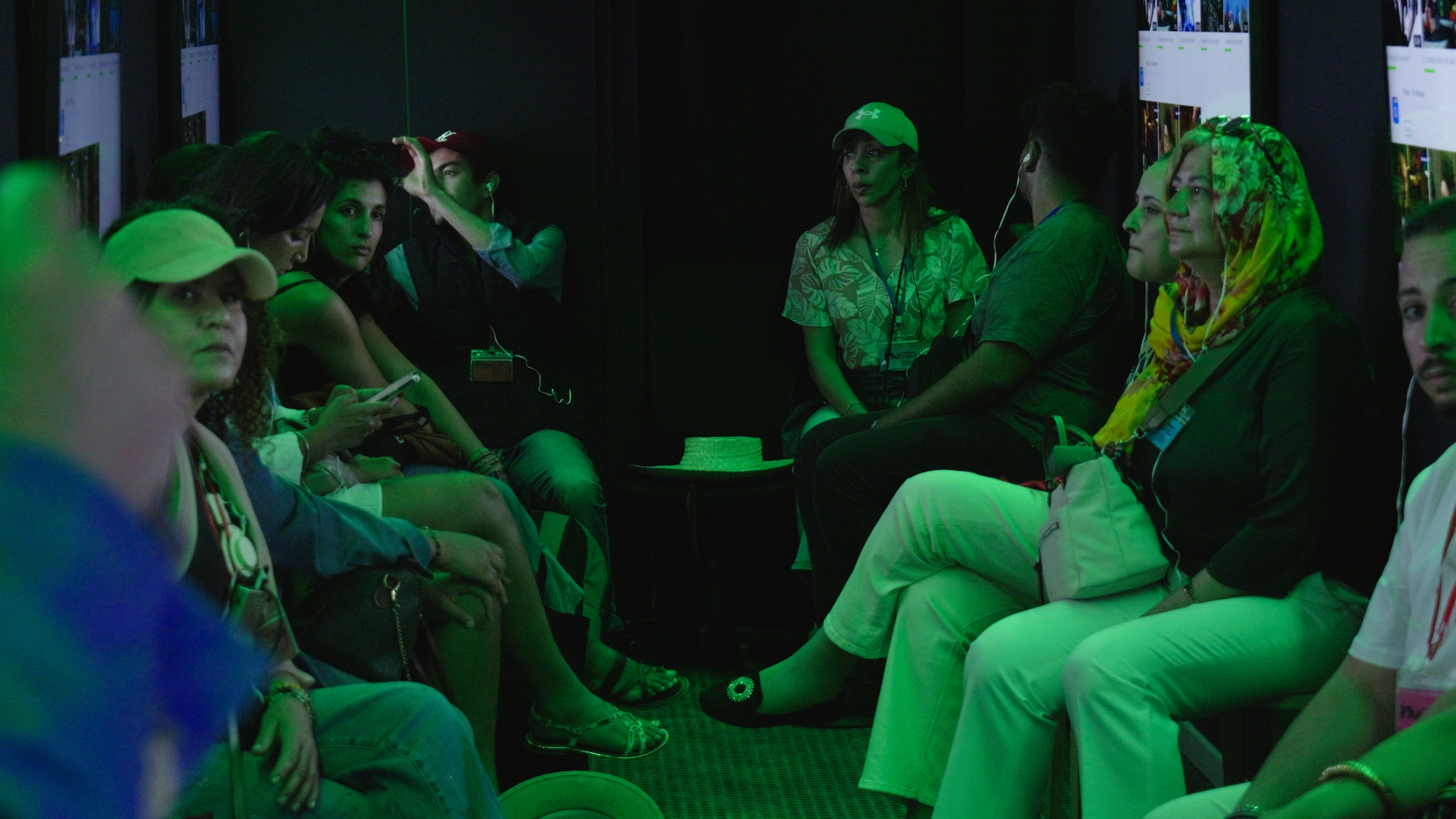
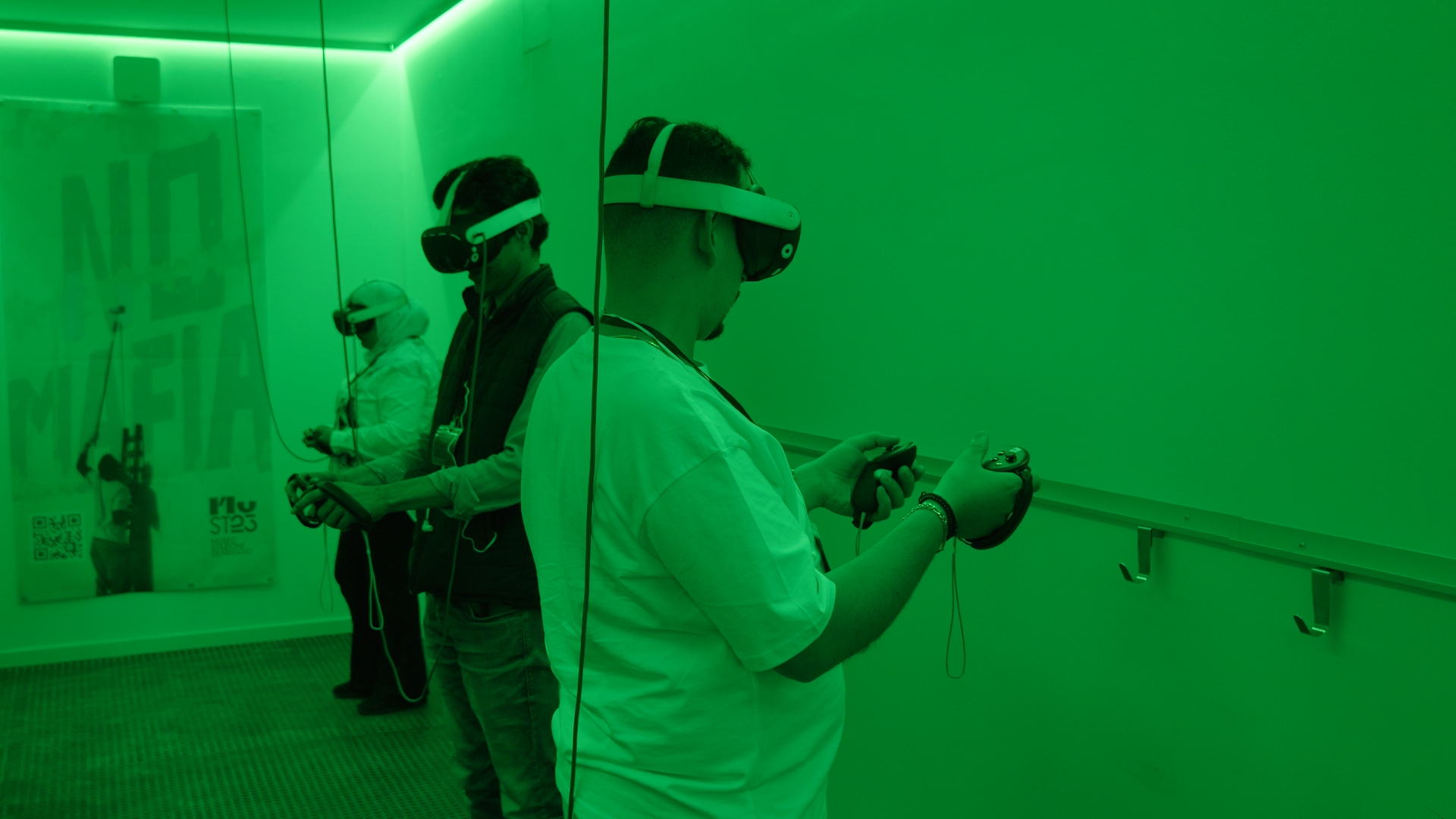
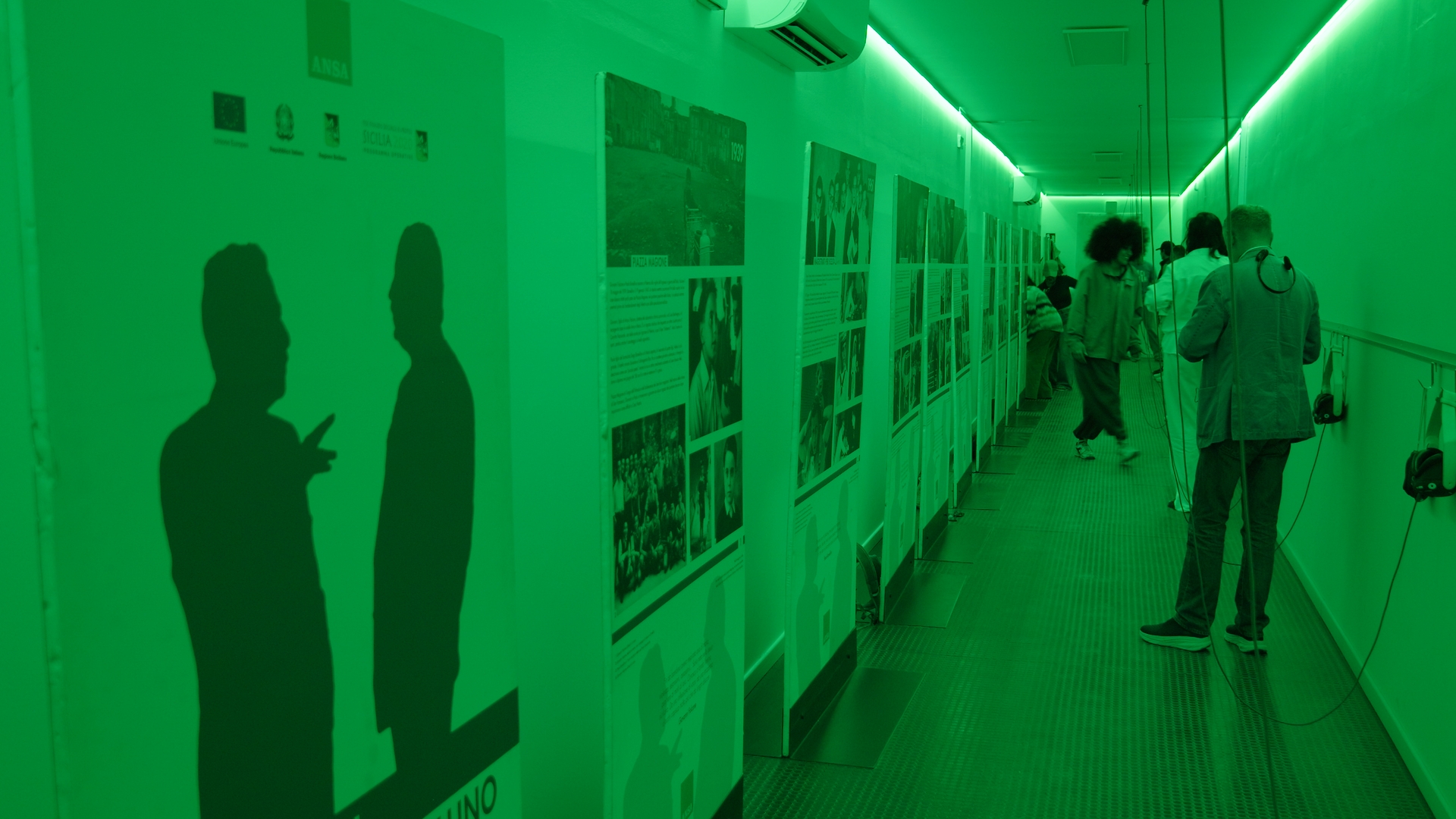
The programme concluded with a visit to Borgo Danilo Dolci in Trappeto and the MuST 23 museum in Capaci, places that represent concrete examples of how local heritage can be enhanced through tourism practices rooted in communities and territory.
More than a training, the Atelier became a space for Mediterranean dialogue, where different experiences met, exchanged, and imagined new ways of doing tourism.
This journey continues beyond the week, with a 60-hour online training and a Masterclass in Tunisia from 27 June to 4 July 2026. This exchange will allow participants from the International Atelier in Sicily to meet again with their Tunisian counterparts, building bridges between two realities that are already connected – and which, through the HERITAS project, can become even more closely linked.
About HERITAS
HERITAS – Valorisation du patrimoine culturel à travers des parcours participatifs citoyens et la création d’itinéraires de tourisme communautaire is a project funded by the INTERREG Italie – Tunisie programme.
Partners
- CESIE ETS (Italy), Coordinator
- Le Vie dei Tesori (Italy)
- CAWTAR (Tunisia)
- ANIMED (Tunisia)
For further information
Read more about the project.
Contact Antonina Albanese: antonina.albanese@cesie.org.