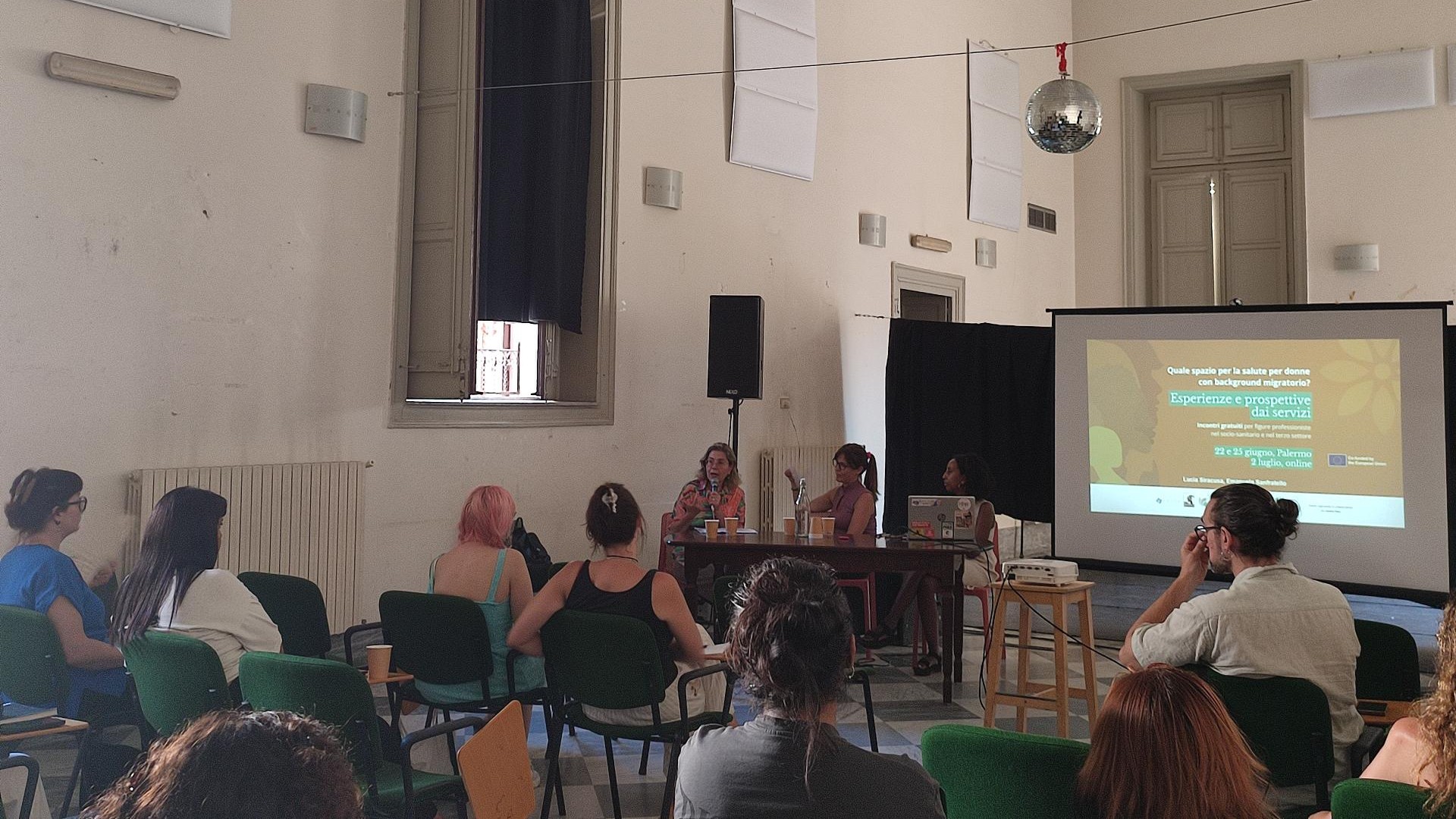
How can migrants’ skills strengthen the European labour market? And what role can civil society play in turning policies into concrete opportunities?
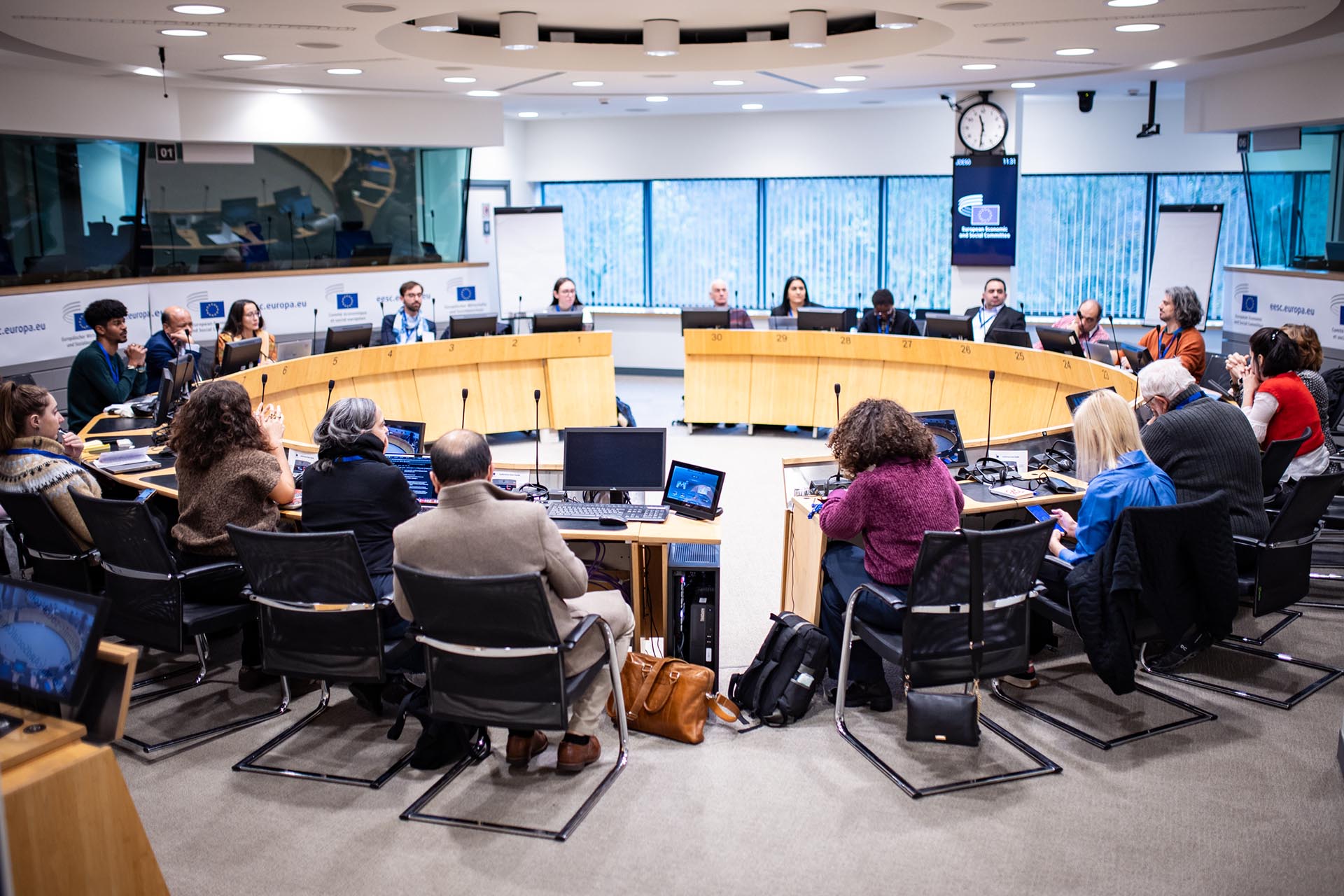
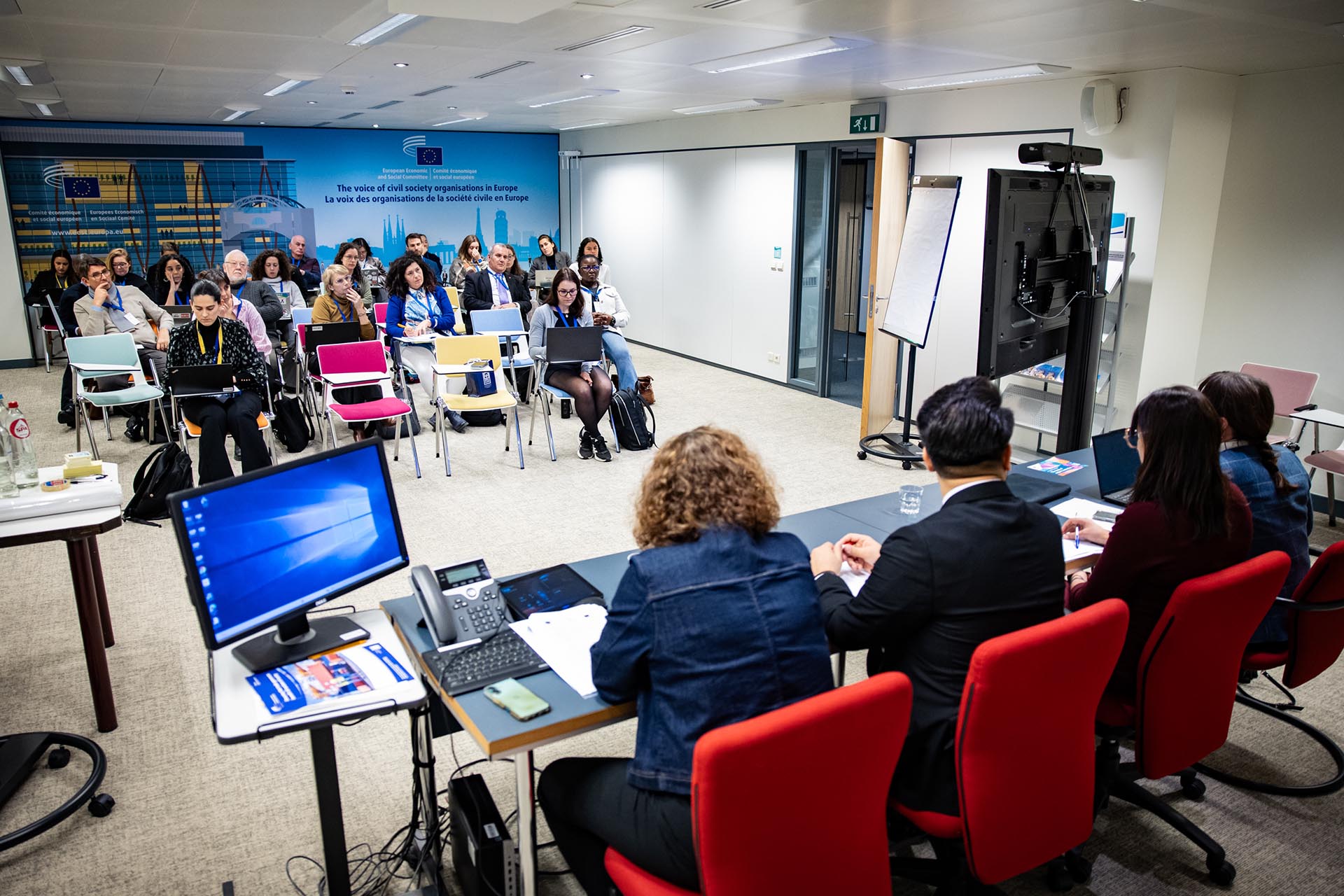
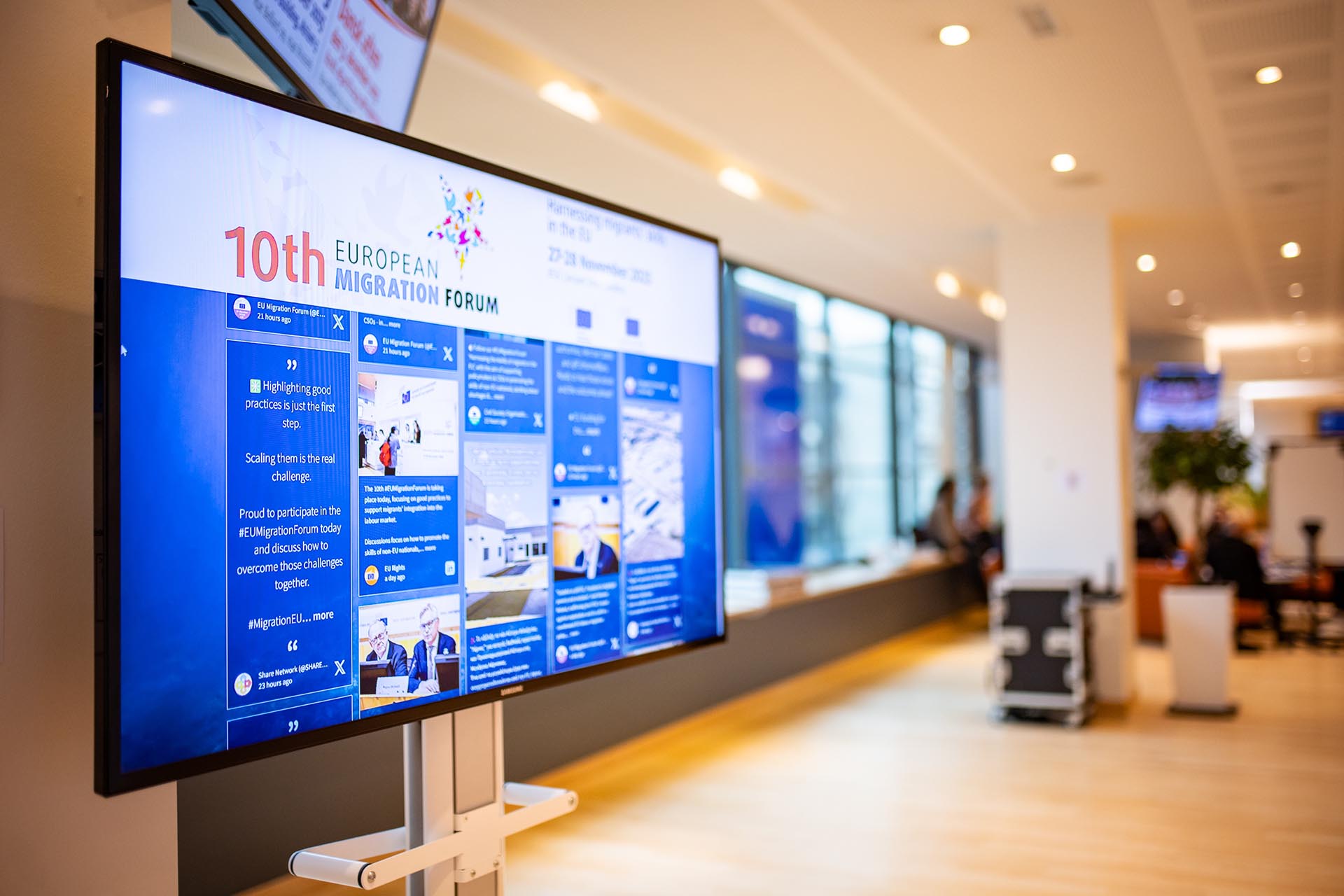
These were the key questions addressed during the 10th European Migration Forum, “Harnessing skills, enriching the EU: positive models of integration”, which brought together over 145 civil society organisations, local and regional authorities, policymakers and international organisations. The shared objective was to discuss positive models of integration and to promote the recognition and valorisation of people with a migrant background across the European Union.
Over the two days hosted at the European Economic and Social Committee, participants highlighted the urgent need to move beyond an emergency-based approach to migration, recognising migrants in Europe not as problems to be managed, but as human resources to be valued, in line with the EU’s core values of solidarity, sharing and integration.
At the same time, the Forum exposed a persistent contradiction within the European political context, where migration continues to be politically instrumentalised. This has direct consequences on the shrinking of civic space and the criminalisation of organisations working on the ground. Such dynamics make it even more urgent to redefine current political priorities by addressing structural challenges and acknowledging the crucial role of civil society organisations in combating poverty and social exclusion.
Changing political, social and civic narratives is a fundamental step towards inclusion. A concrete example of this shift is the transition from the term “illegal migration” to “irregular migration”—an important linguistic change that reduces criminalisation and helps reframe public debate. Words shape perspectives, define symbolic boundaries of inclusion and exclusion, and influence who remains on the margins, particularly in an increasingly polarised political environment.
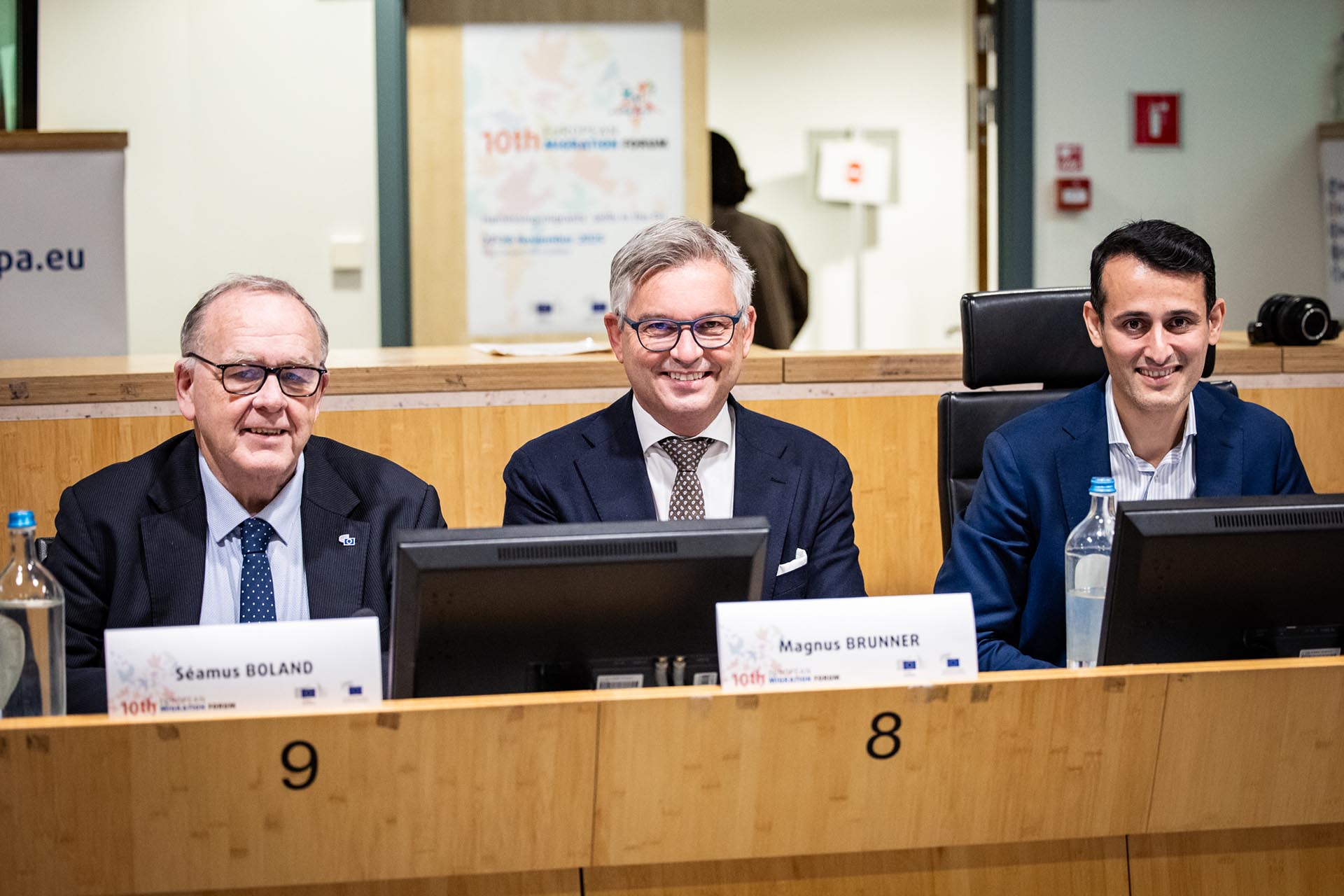
The first day of the Forum focused on positive models of integration, with contributions from local authorities, the private sector, trade unions and EU-funded projects. Speakers highlighted how labour market inclusion fosters economic growth and social cohesion. High-level interventions by European Commissioner Magnus Brunner and the President of the EESC, Séamus Boland, stressed the importance of coordinated, rights-based migration policies grounded in dialogue with civil society.
Boland also brought attention back to the link between poverty, social exclusion and migration, noting that these issues are no longer prioritised on the European political agenda. Structural shortcomings, such as the lack of adequate housing solutions, the dominance of emergency-driven approaches and the shrinking operational space for civil society organisations, were identified as clear indicators of these challenges.
The second day explored key factors enabling migrants’ access to the labour market, including personalised support, the recognition of skills through innovative and paralinguistic methods, and public–private partnerships. Video testimonies shared during the panels brought the discussion back to the human dimension of policies, reminding participants that every political decision has a tangible impact on people’s lives. They also highlighted the need to recognise and address migrants’ psychological vulnerability, a dimension often overlooked in public policies, yet one that directly affects integration pathways, access to services and social participation.
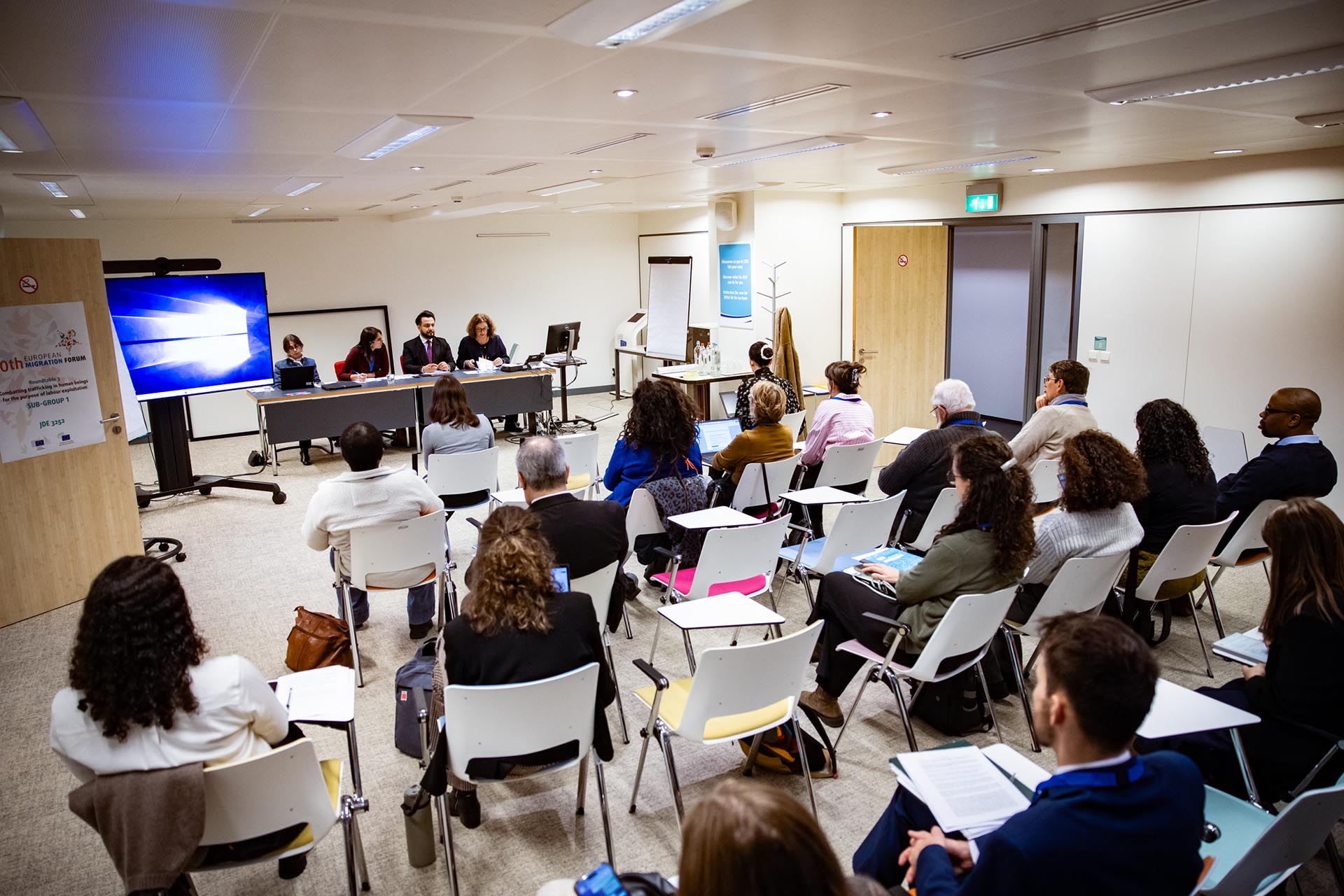
Labour exploitation, trafficking and narratives: towards new responses
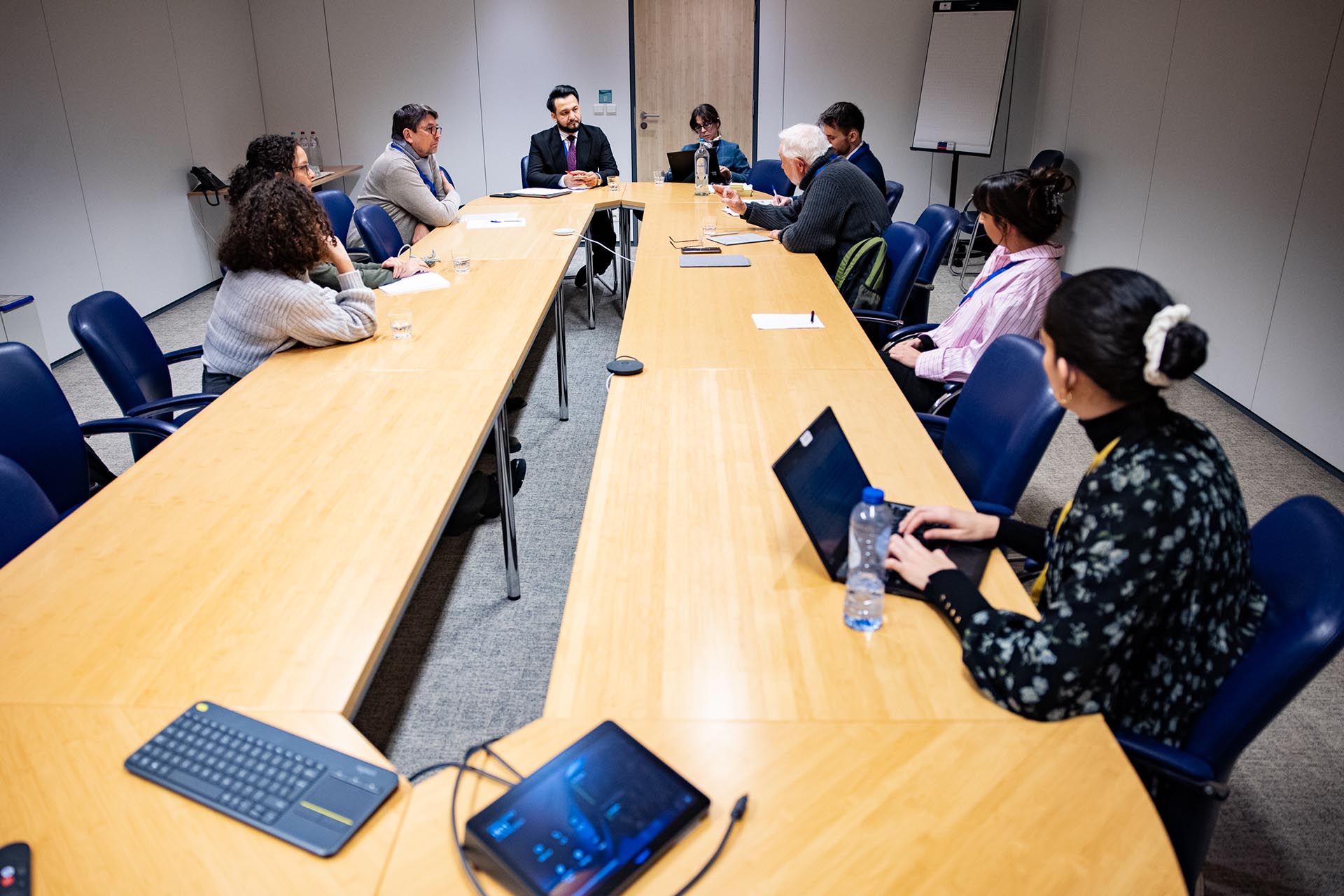
A specific focus was dedicated to labour exploitation and trafficking in human beings. Despite the rise in reported cases, many victims remain invisible and unidentified, while institutional responses struggle to keep pace. As highlighted by Saber Kordestanchi from Hostaway, “it is not necessary to exploit people to build a successful business”a powerful reminder of the responsibility of the private sector and the need for effective monitoring mechanisms at both national and European levels.
Alongside the critical issues raised by speakers, the Forum also showcased high-impact good practices, such as mentoring programmes, the use of social ambassadors and word-of-mouth strategies to reach people in vulnerable situations and build trust. Informal spaces for dialogue between migrants, businesses and institutions were also highlighted as essential tools for overcoming mutual distrust and fostering cooperation. A key takeaway was that trust cannot be imposed from above; it must be built over time through inclusive approaches, dialogue, active listening and shared responsibility.
CESIE’s participation in the Forum, through the HOST project, has further strengthened our commitment to promoting inclusive actions and initiatives grounded in dialogue and cooperation across local, national and European levels, and based on lived experience, listening and the protection of rights.
The 10th European Migration Forum clearly demonstrated that valuing migrants’ skills is not only an economic necessity, but also a political and social choice that requires vision, responsibility and cooperation. Through the HOST project, this experience has reinforced our commitment to contributing to a more inclusive Europe, one that recognises the value of people and turns dialogue into concrete action. A path that continues both within and beyond institutional spaces, with the aim of making labour market inclusion an accessible and sustainable reality for all.
Find out more about upcoming HOST project activities and participation opportunities.
Contact: cinzia.broccolo@cesie.org
About HOST
HOST – Tackling Human Trafficking in the Hospitality sector is funded by DG for Migration and Home Affairs (HOME), Asylum Migration and Integration Fund (AMIF).
Partners
- KMOP (coordinator, Greece)
- CESIE ETS (Italy)
- FSA – FUNDACION SOLIDARIDAD AMARANTA (Spain)
- MoMA – YPOURGEIO METANASTEFSIS KAI ASYLOU (Greece)
- FAIRWORK – STICHTING FAIRWORK (the Netherlands)
- SUSS – SUS STEP UP STOP SLAVERY (Cipro)
- LSI – THE INTERNATIONAL LA STRADA ASSOCIATION (the Netherlands)
- GFR – ELLINIKO FOROUM PROSFIGON (Greece)
- ANCI – ASSOCIAZIONE DEI COMUNI SICILIANI (Italy)
For further information
Contaxt Cinzia Broccolo, cinzia.broccolo@cesie.org