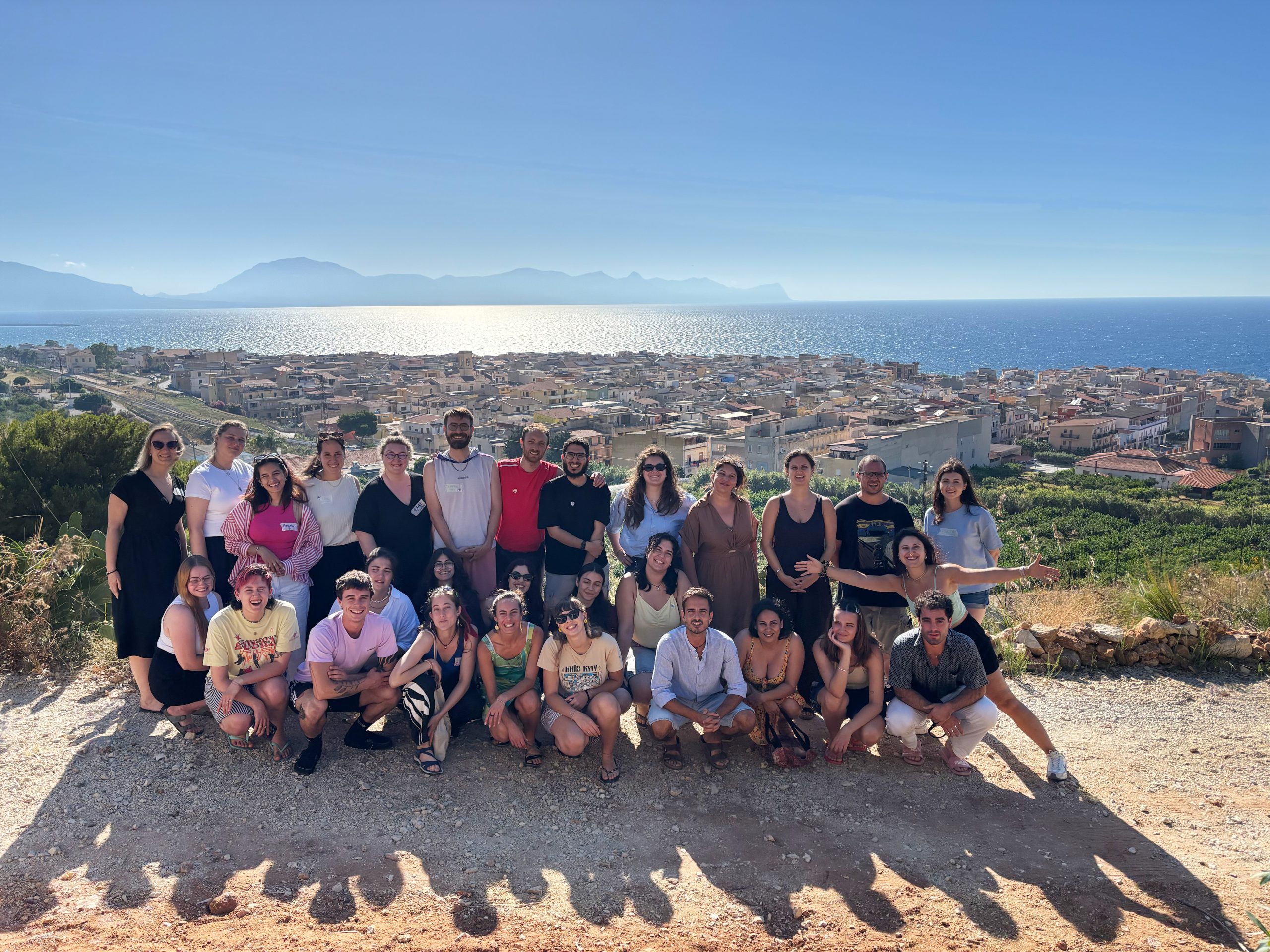
The Planting Cities activities ended but not its impact and sustainability through the online platform The urban garden as tool for social inclusion.
PLACE in short
The online platform is the main result of the international project PLACE (Erasmus +, under the Key Action 2 – Capacity Building in the field of youth) promoting the creative and educational use of urban gardens in order to improve the quality and the impact of youth work and to foster mobility exchanges and cooperation among youth workers and young people. The project foresaw the participation of 5 different partners organizations from Europe and Asia:
- CESIE, Italy – coordinator;
- KID PiNA, Slovenia;
- CANGO – China Association for NGO Cooperation, China;
- CCN – Campaign for Change Nepal, Nepal;
- JRP – Jeevan Rekha Parishad, India.
The project was based on mobility activities among youth workers and youngsters:
- International training course: in October 2015, 30 youth workers from Italy, India, China, Nepal and Slovenia were hosted by CESIE in Palermo, acquiring new tools and competencies and knowing local best practices on gardening and social inclusion field.
- European Voluntary Service: from March 2016, 20 young people from project countries had the opportunity to live an international volunteering experience for 5 months, organizing educational workshops for local community.
In January 2017, the project experiences and results were presented at public conference in Kathmandu (Nepal).
What is the PLACE platform?
“The urban garden as tool for social inclusion” is an open educational resource collecting project activities’ experiences and results; it’s a digital tool for anyone eager to use horticulture and mobility activities as educational tool for inclusion of local community.
The platform, divided in four chapters, gives information regarding:
- meaning and definition about urban and community gardening
- types of urban gardens
- elements of gardening: materials, tools, methods, type of vegetables etc.
- how to involve the local community
- how to establish a garden
- examples and tips about training courses and workshops on youth and gardening
- types of mobility activities: training courses and European Voluntary Service
Moreover, the OER has two interactive sections:
- Blog: it includes testimonies of some project participants and give the opportunity to anyone to share own experience
- Map: it locates community and organisation dealing with gardening and social inclusion field; anyone can share own reality, thus fostering an international network.
The platform is placed in the project website, in the OER European platform and in the CESIE digital library.
Do you want to know more? Write to giuseppe.lafarina@cesie.org.
 The European Commission support for the production of this publication does not constitute an endorsement of the contents which reflects the views only of the authors, and the Commission cannot be held responsible for any use which may be made of the information contained therein.