


Promoting the rights of the child
We're on a mission to make the world a safer place for every child by preventing all forms of violence against them, ensuring child protection and encouraging their active participation.
*We understand a child to be every human being below the age of eighteen years old as defined by the UN - Convention of the Rights of the Child.
What?
We strongly believe every child has the right to grow in a safe and supporting environment where they feel protected, they are free from all forms of abuse including neglect, exploitation and violence, and their rights are guaranteed so they can develop their full potential. Specifically:
Raising awareness
about children’s rights and the prevention of child abuse.
Creating safe environments
where children are protected from harm both online and offline.
Building the capacity of people
including professionals, teachers and children themselves in order to prevent, identify and support victims of child abuse in all its forms through innovative educational methodologies.
Giving a voice to children
through their active participation and consultation in matters which concern them.
Supporting the development
of child protection policies
among their extensive network of partners and stakeholders to establish processes which proactively protect children.
How?
Because we care and because working with children requires the right approach, we are determined to take action to promote children’s rights and their safeguarding by:
Empty
Having the best interest of the child at heart
as a right, a principle and a rule of procedure based on an assessment of all elements of a child’s or children’s interests in a specific situation both in the public and private sphere which must be determined on a case-by-case basis taking into consideration their personal context, situation and need. The full application of the concept of the child's best interests requires the development of a rights-based approach, engaging all actors, to secure the holistic physical, psychological, moral and spiritual integrity of the child and promote his or her human dignity.
A child-centered approach
meaning keeping the child in focus when making decisions about their lives and working in partnership with them and their families.
A trauma-informed approach
grounded in the understanding that trauma exposure can impact an individual’s development. This approach places safety, building trust, shared decision-making, collaboration, empowerment and cultural consideration as key principles.
A bottom up approach
meaning that all activities and training proposed, at school and outside, in curricular and extracurricular settings are co-designed with the different target groups they are addressed to.
Gender and cultural sensitivity
which involves approaching people and children specifically while valorising the diverse backgrounds they belong to and considering how their gender, socioeconomic, cultural and linguistic background could affect their lives.
Non-formal education
such as gaming, arts and creativity to encourage professional and children’s engagement and foster personal and collective growth through critical thinking.
Events
News & information
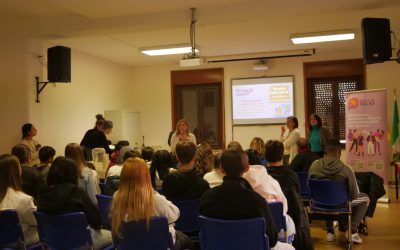
Building safe communities: the Counseling Desk launched at ‘Ferrara’ high school
Preventing gender-based violence and promoting mental wellbeing in schools requires acting where personal and relational growth takes shape. It is precisely among students, together with qualified professionals, that real and lasting change can begin: a daily practice...
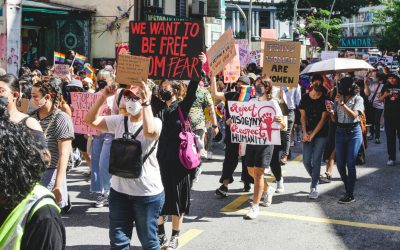
25 November: DialoghiAMO for a society free from gender-based violence
Still in 2025, violence against women and gender-diverse individuals remains systemic and pervasive. On 25 November, for the International Day for the Elimination of Gender-Based Violence, we remember that this is a structural issue that increasingly manifests online,...
Guaranteeing children’s rights, starting from young voices
Every year on 20 November, we mark World Children’s Day to reaffirm a fundamental message: the rights of children and adolescents are human rights – universal and non-negotiable. Guaranteeing and protecting these rights is essential, and so is listening to young...
Resources and interactive content
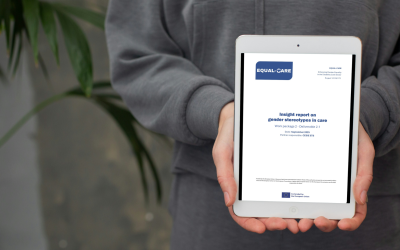
EQUAL-CARE – Insight report on gender stereotypes in care
This report presents a cross-country analysis of how gender stereotypes influence caregiving systems across partner countries.
MEDUSA – Policy recommendations
This document presents a set of policy recommendations aimed at improving national responses to online violence, and especially OGBV, in Slovenia, Italy, and Croatia.
CARE-DIVIDE – Mapping the Gap report
The Mapping the Gap Report examines the gender gap in long-term care. It analyses legal frameworks, policies, stereotypes, and barriers.
Do you want to be part of this process?
See available resources, learn about current initiatives or write to us for more information at: