More than half of the world’s population lives in cities, and most future population growth is predicted to happen in urban areas. But the concentration of large numbers of people and the ecosystems built around their lives has also been a driver of climate change. By becoming more “climate-smart”, cities can combat the mounting pressure of a changing climate they both cause and suffer from. Ultimately, improving the urban infrastructure in this way, cities can enhance their resilience, reduce climate risk and increase liveability and competitiveness.
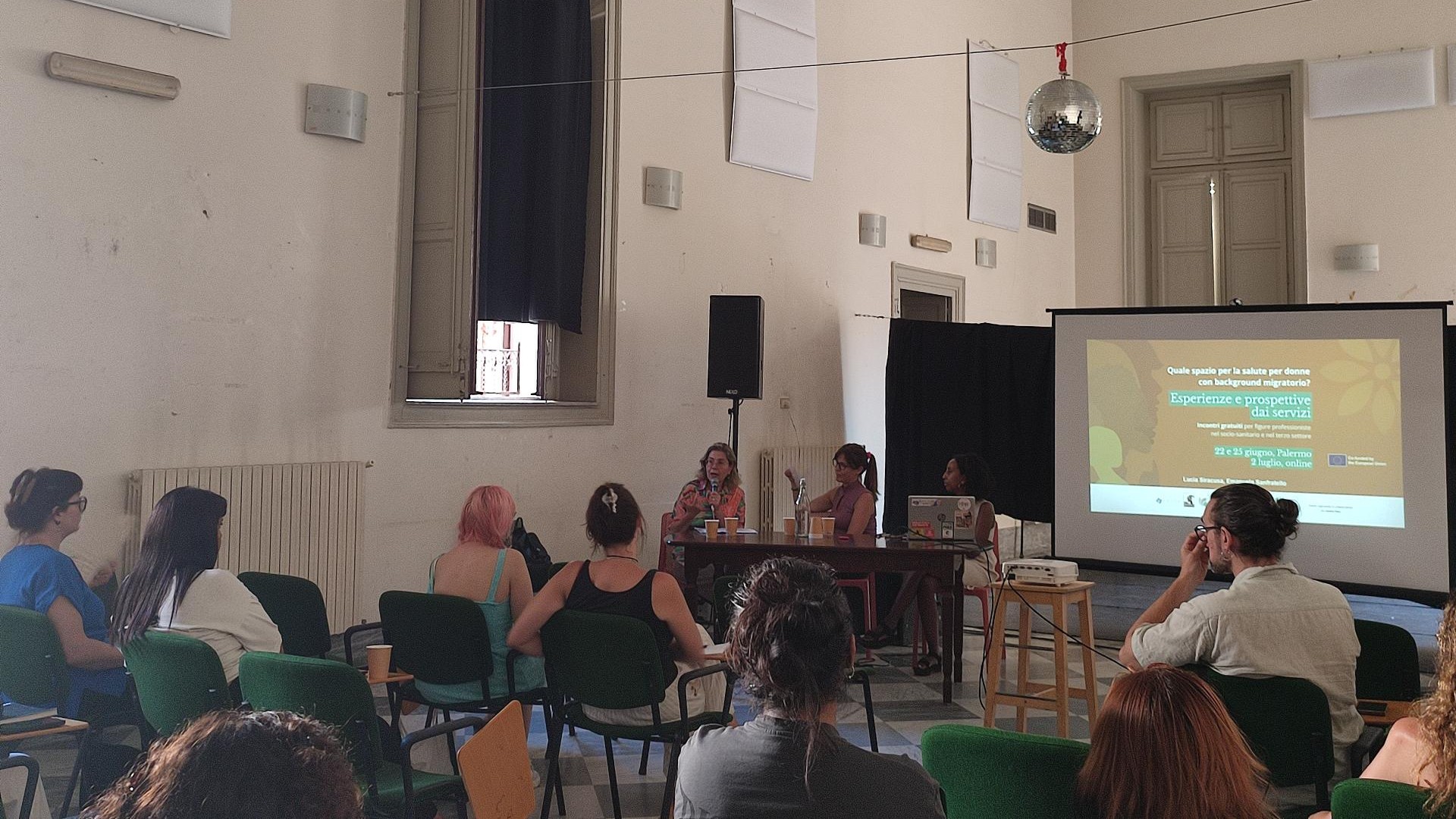
Within this context, sustainable mobility was the focus of the local training conducted in Palermo by CESIE between October 12th and 22nd. The training took place in the framework of the 1st international training involving participants from Denmark, Iceland, Slovenia and Italy, who are using the methodology of the Living Labs to exchange ideas, sharing best practices and implementing local initiatives aimed at addressing pressing environmental challenges in European urban contexts.
In Italy, the emergency caused by COVID-19 has drastically changed the way students move around their cities, preventing most urban activities, limiting travel on large, medium and short distances and reducing the number and intensity of social relationships. With the aim to prevent the potential spread of COVID-19 and prepare for other future pandemics and crises in educational settings, change agents in Palermo have started to design a local initiative to ensure students enter/exit school and move within it safely.
The integrated solutions identified, which will be implemented with the direct participation of the school community (staff, students and their families) based on co-creation processes and approaches, are:
- Enhancement of existing infrastructure capacity and creation of new bike lanes promoting sustainable mobility among students and their families;
- Construction of green pedestrian areas in front of school buildings, promoting safe socialization while reducing traffic and pollution.
If you want to know more about the local initiative and how you can contribute to a more sustainable future in the city, you can visit the project’s website, join the Facebook page or contact adult@cesie.org.