Europe needs to develop a common strategy against bullying: key message of the 1st Conference of the European Anti-bullying Network
More than half (55%) of children in Europe who have been bullied said they became depressed as a result according to new poll.
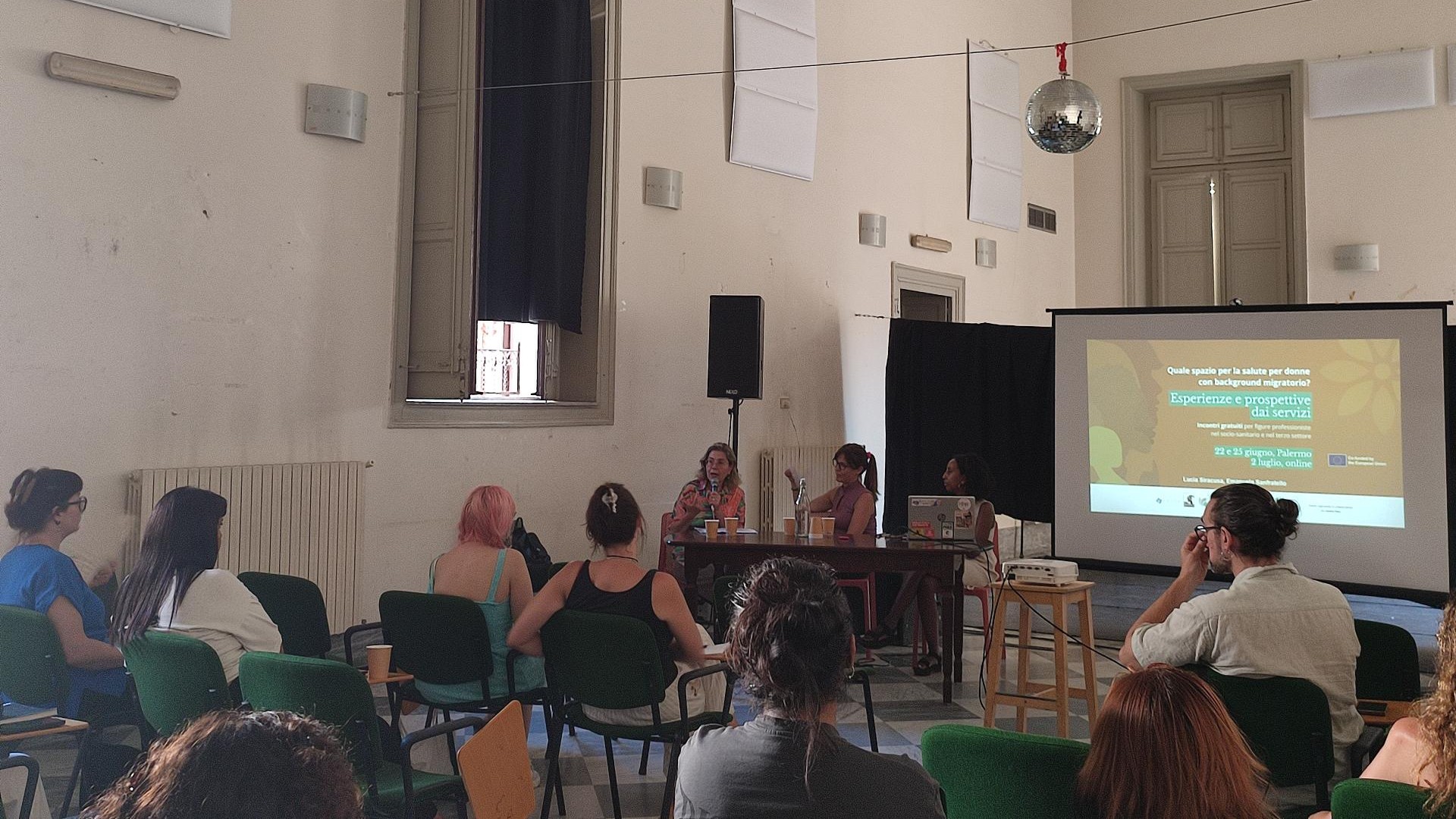
Press Release, 11-12 June, 2014, Athens – More than 500 people across Europe took part in the 1st Conference of the European Anti-bullying Network hosted by the Greek NGO “The Smile of the Child” during a high-level event that was held under the auspices of the Hellenic Presidency of the Council of the European Union.
The conference allowed academia, civil society organizations and national and international governmental organizations to discuss on the serious problem of bullying, exchange good practices in the area and present interesting data and studies on this serious problem. The official establishment of the Network will be announced on 13 June, 2014 in an effort to promote a common strategy against bullying and coordinate anti-bullying actions and initiatives.
More specifically, the high-level Conference was organized in the framework of the European Anti-bullying Network project that was coordinated by “The Smile of the Child” and was implemented in cooperation with 16 organizations across 12 EU Member States under the funding of the Daphne III Programme of the European Commission.
Highlight of this conference was the speech by Dan Olweus, Professor of Psychology, and world leading researcher in the area of bullying, who provided some interesting facts on the phenomenon and some myths and intervention programs to address bullying in schools. He underlined the importance of analyzing cyber bullying in the right context and revealed that most cases of cyber bullying originate in the school setting. According to him, most students are bullied or bully other children in traditional ways, while he provided evidence showing that there has been no systematic increase in cyber bullying despite the common belief. “Bullying among children and youth is a serious problem in most countries but by no means an intractable problem. With knowledge and research-based counter-efforts, it is possible to considerably reduce bullying problems, eliminate much personal suffering and make society save large amounts of money” he highlighted.
In his opening address, “The Smile of the Child” Chairperson” Costas Yannopoulos presented the continuous work of the Greek organization in the area of bullying prevention and framed the importance of the initiative of the Greek NGO to establish the European Anti-bullying Network in cooperation with 16 organizations from 12 EU countries.
A plenary panel discussion co-organized by “The Smile of the Child” and ILGA-Europe focused on the European policies against bullying. Vaso Artinopoulou, Professor of Criminology at Panteion University in Greece presented the European strategy against bullying developed in the framework of the EU-funded project “European Anti-bullying Network” and highlighted the need of a European approach and response on a European level.
Special Rapporteur on Child Protection in Ireland Shannon Geoffrey contributed his expert input analyzing the human rights standards related to school bullying, while the Head of the LGBT Unit in the Council of Europe Eleni Tsetsekou focused on what the Council of Europe can do towards ensuring a violence-free education in Europe. Frank Pierobon, Head of Equal Opportunities in schools from DG Education and Culture, framed the importance of human rights education as a prerequisite for equality, while Joe Koswic from GLSEN (Gay, Lesbian & Straight Education Network) presented how a global knowledge base on homophobic and transphobic bullying is promoted in the United States.
During the conference, interesting data was also presented showing that Lithuania, Latvia, Estonia and Greece are the countries with the higher percentage of students being involved in bullying either as victims, bullies and bully-victims among 41 countries across the globe. According to the same study, Sweden is the country with the lowest percentage.
A new poll conducted and presented by BeatBullying shows that more than half (55%) of children in Europe who have been bullied said they became depressed as a result, with over a third saying they harmed themselves (35%) or thought about suicide (38%). The poll of more than 2,000 adults and children from across Europe found that worryingly, 34% of adults thought that bullying is regarded as a ‘normal part of growing up’, and one in six adults (16%) said it is regarded as ‘character building’ by most people in their country.
Studies conducted in Greece show that 6.3% of teenagers have been cyber bullied more than once over the last 4 months, while 40% of teachers believe that the incidents of school violence remain hushed up and 84% of parents that school bullying and violence is on the rise. Equally alarming, professional assistance in Greece is provided to less than 1 in 10 children who experience some sort of violence and victimization.
The conference offered dynamic small group sessions covering wide-range areas in the bullying phenomenon such as cyber-bullying, teen relationships and bullying, prevention projects in schools, teachers’ and students’ perspectives, victimization of children and risk factors for bullying. During the conference participants had the opportunity to attend experiential workshops provided by field workers and professionals, highlighting good practices and educational tools in tackling bullying. These sessions were based on different schools of psychotherapy and techniques such as role playing, expression of feelings and drama therapy and aimed to empower teachers and professionals dealing with bullying incidents.
- Photos of this event are available here
- The Conference AgendaFor further information, please contact:
- Coordinator: The Smile of the Child – Panagiotis Pardalis, Communication Officer at panagiotispardalis@hamogelo.gr or +30 210 33 06 140
- CESIE justice@cesie.org


This publication has been produced with the financial support of the Daphne III Programme of the European Commission. The contents of this publication are the sole responsibility of CESIE and can in no way be taken to reflect the views of the European Commission.